Wayve, a company specializing in “embodied AI” for self-driving cars, just cleared a major financial hurdle. The firm recently announced it raised $1.2 billion in a Series D funding round, bringing its total valuation to $8.6 billion. A lot of that funding came from some of the biggest names in tech.
Commercial giants like Microsoft, NVIDIA, and Uber joined this round of funding. Additionally, major automotive manufacturers, including Mercedes-Benz, Nissan, and Stellantis, joined in. These companies are looking for a software system that can handle the road.
Moving to the Driveway
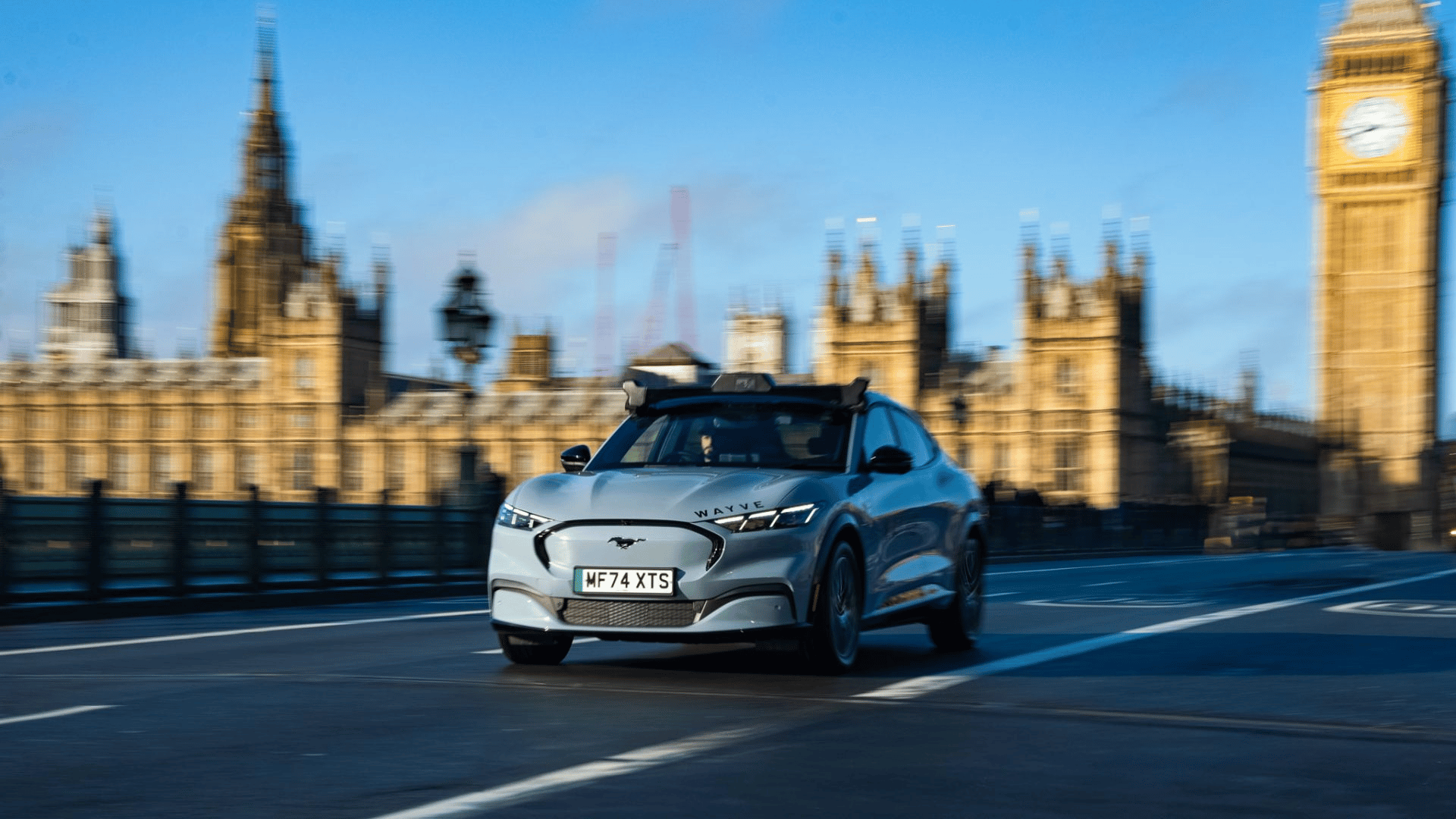
Since 2017, Wayve has been working on a specific type of AI that learns to drive by watching and doing, rather than following a rigid set of rules or high-definition maps. Because the system doesn’t rely on pre-mapped cities, it can handle new locations without extra engineering. In the last year, they’ve tested this by driving in over 500 cities across Europe, North America, and Japan.
Advertisement
The timeline to get the AI system on the road is closer than you think. By 2026, Wayve plans to launch robotaxis in London through a partnership with Uber. By 2027, the technology should start appearing in passenger vehicles. These cars will start with “hands-off” capabilities, meaning the car steers and navigates while you keep an eye on things.
A Way to Scale
Unlike some companies that try to build their own custom cars from scratch, Wayve licenses its “AI Driver” to existing automakers. This allows different brands to use the same brain for their vehicles while customizing the feel to fit their specific model.
“With $1.5 billion secured, we are building for a total addressable market that spans every vehicle that moves,” Alex Kendall, Co-Founder and CEO of Wayve, said. “Autonomy will not scale through city-by-city robotaxi deployments alone.”
“It will scale through a trusted platform that automakers and fleets can deploy globally and improve continuously,” Kendall added. “This investment accelerates our path to widespread commercial deployment and positions us to build the autonomy layer that will power any vehicle everywhere.”