BASF, the world’s largest chemical producer, recently opened a new facility in Ludwigshafen, Germany, that could change industrial manufacturing. It’s the world’s first plant designed to mass-produce catalysts using a specialized 3D printing method called X3D technology. Catalysts are the silent engines behind almost everything we use, from fuel to plastics.
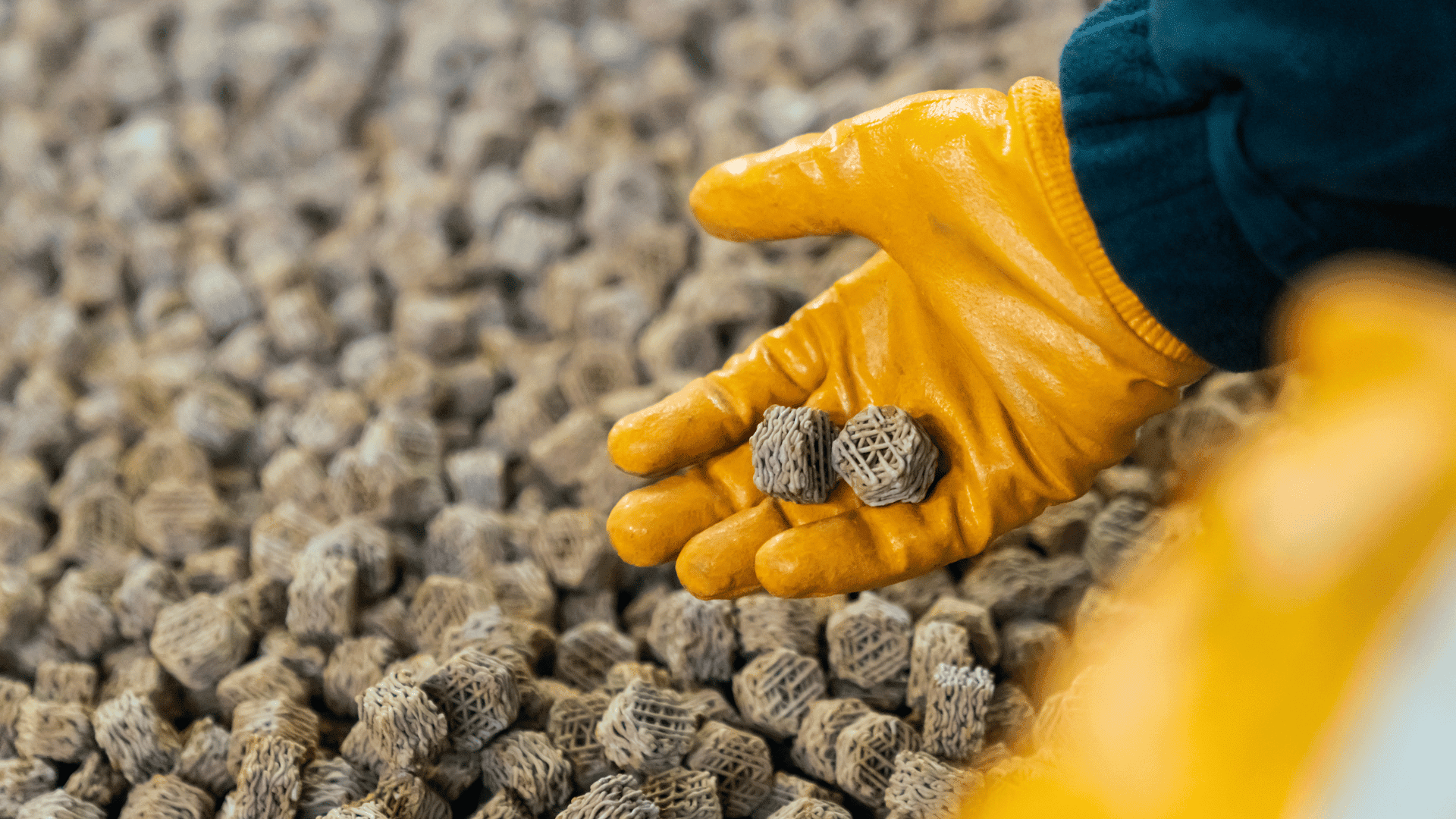
Traditionally, catalysts come in standard shapes like pellets or spheres. But with 3D printing, BASF can design them with specific, open geometries. These new shapes are sturdy but allow chemicals to flow through more easily. Because there is less “pressure drop” inside the reactors, the whole process uses less energy.
Large-Scale 3D-Printed Catalysts
Advertisement
BASF has been testing these printed catalysts with partners for a while now. Last year, a company called An Hui Jintung filled their sulfuric acid plant with these new O4-115 X3D catalysts.
“The plant started up smoothly, and plant performance has significantly improved compared to before. Production achieved a record high, generating substantial economic benefits for our company,” said Eter Zhu, General Manager at An Hui Jintung. “We will continue our collaboration with BASF to promote catalyst upgrades and replacements across additional units.”
The goal of the new Ludwigshafen site is to make this tech available at a much larger scale and move away from “one-size-fits-all” shapes. As a result, the company can tweak the design of a catalyst to fit a specific factory’s needs.
“We are pleased that X3D technology already gives our customers a real competitive edge: We can supply catalysts tailored precisely to their specific chemical processes – quickly and in large quantities,” Detlef Ruff, Senior Vice President at BASF, noted. “At the same time, we help customers reach their goals, as our catalysts enable them to increase production performance while improving the efficiency of the raw materials they use.”