Advanced machining equipment can deliver excellent results, but machine capabilities alone do not guarantee productivity. Poor setup procedures, inefficient programming, improper tooling choices, and inconsistent maintenance practices can limit performance and affect part quality. These issues may increase production time and operating costs.
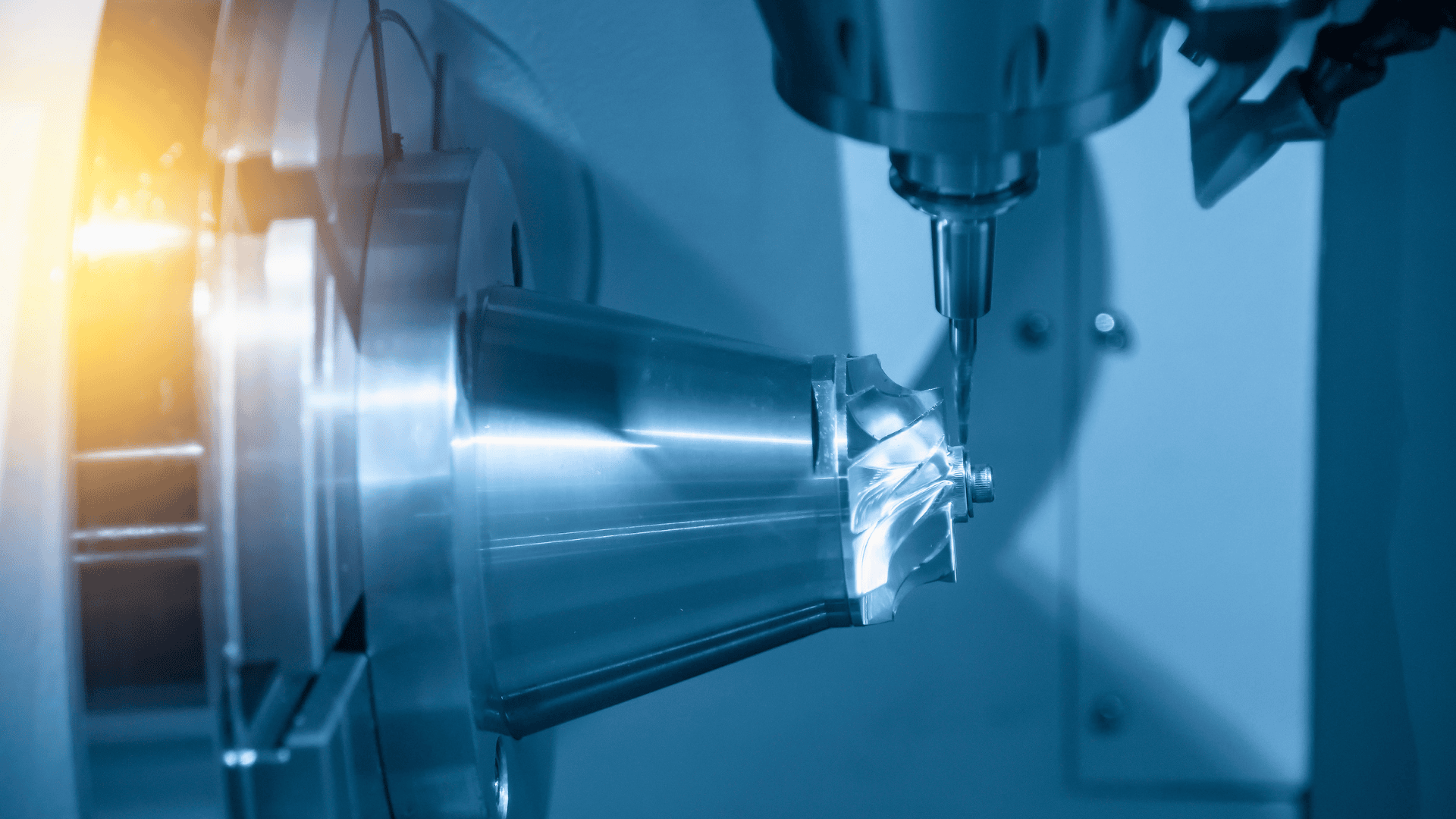
Manufacturers that invest in a CNC 5 axis machine can achieve better results when they combine advanced technology with effective operating practices. This article highlights practical ways to maximize machine performance and support long-term productivity.
Develop Accurate CAM Programming Strategies
Programming plays a major role in machining efficiency. Poor toolpaths can increase cycle times, create unnecessary tool wear, and affect surface finish quality. Manufacturers should review machining strategies carefully before production begins. Simulation tools and verification processes can help identify potential issues before parts reach the machine. Accurate programming supports smoother operations and more consistent results.
Select Tooling That Matches the Application
Tool selection directly affects machining performance. Different materials, cutting conditions, and part geometries require specific tooling solutions to achieve desired outcomes. Manufacturers should evaluate tool materials, coatings, and geometries based on production requirements. Proper tooling helps improve cutting performance, supports better surface finishes, and can extend tool life across production runs.
Maintain Proper Machine Calibration
Precision machining depends on machine accuracy. Small alignment issues can affect tolerances and lead to quality concerns, especially when producing complex components. Routine calibration checks help verify that the machine performs within specification. Regular inspections of machine components and positioning systems can support consistent accuracy throughout the production process.
Optimize Workholding and Fixture Design
Stable workholding is essential for successful machining operations. Poor fixture design may allow movement during cutting, which can affect part quality and machining accuracy. Fixtures should provide secure support while allowing access to required machining surfaces. Well-designed workholding solutions help operators reduce setup challenges and improve overall machining consistency.
Schedule Preventive Maintenance Activities
Advertisement
Machine performance depends on the condition of critical components. Spindles, guideways, lubrication systems, and cooling systems require routine attention to operate effectively. A preventive maintenance schedule helps identify wear before it affects production. Manufacturers using a CNC 5 axis machine can reduce unexpected downtime by following recommended maintenance procedures and service intervals.
Invest in Operator Training and Skill Development
Advanced machining technology requires knowledgeable operators. Training helps employees understand machine functions, programming concepts, tooling requirements, and troubleshooting procedures. Skilled operators can identify opportunities to improve efficiency and address potential issues before they affect production. Ongoing education also helps teams stay current with machine capabilities and best practices.
Monitor Cutting Data and Machine Performance
Machine controls provide valuable information that can help manufacturers improve efficiency and identify potential issues. Data such as cycle times, spindle loads, tool wear patterns, and machine utilization rates can reveal opportunities for optimization. Regular review of performance data helps production teams make informed adjustments to machining strategies. Small improvements in cutting parameters, tool usage, or machine scheduling can contribute to better productivity and more consistent machining results across production runs.
Habits That Help Extend Machine Performance
Small operational habits can contribute to better machine reliability and long-term productivity.
- Inspect tooling before production begins
- Verify machine calibration regularly
- Keep work areas clean and organized
- Review programs before running new parts
- Follow lubrication schedules consistently
- Monitor spindle performance during operation
- Record maintenance activities for future reference
These practices can help support reliable machine performance and consistent production results.
Getting the most from a CNC 5-axis machine requires attention to programming, tooling, maintenance, workholding, and operator training. Manufacturers that focus on these areas can improve efficiency, maintain accuracy, and support better production outcomes. A combination of advanced equipment and disciplined operating practices helps maximize the value of the investment while supporting long-term manufacturing success.
This is a sponsored post by Stan Softech Private Limited. All reviews and opinions expressed in this post are not based on the views and opinions of Tomorrow’s World Today.
 Read Exclusive Stories
 Bookmark & Save Articles For Later