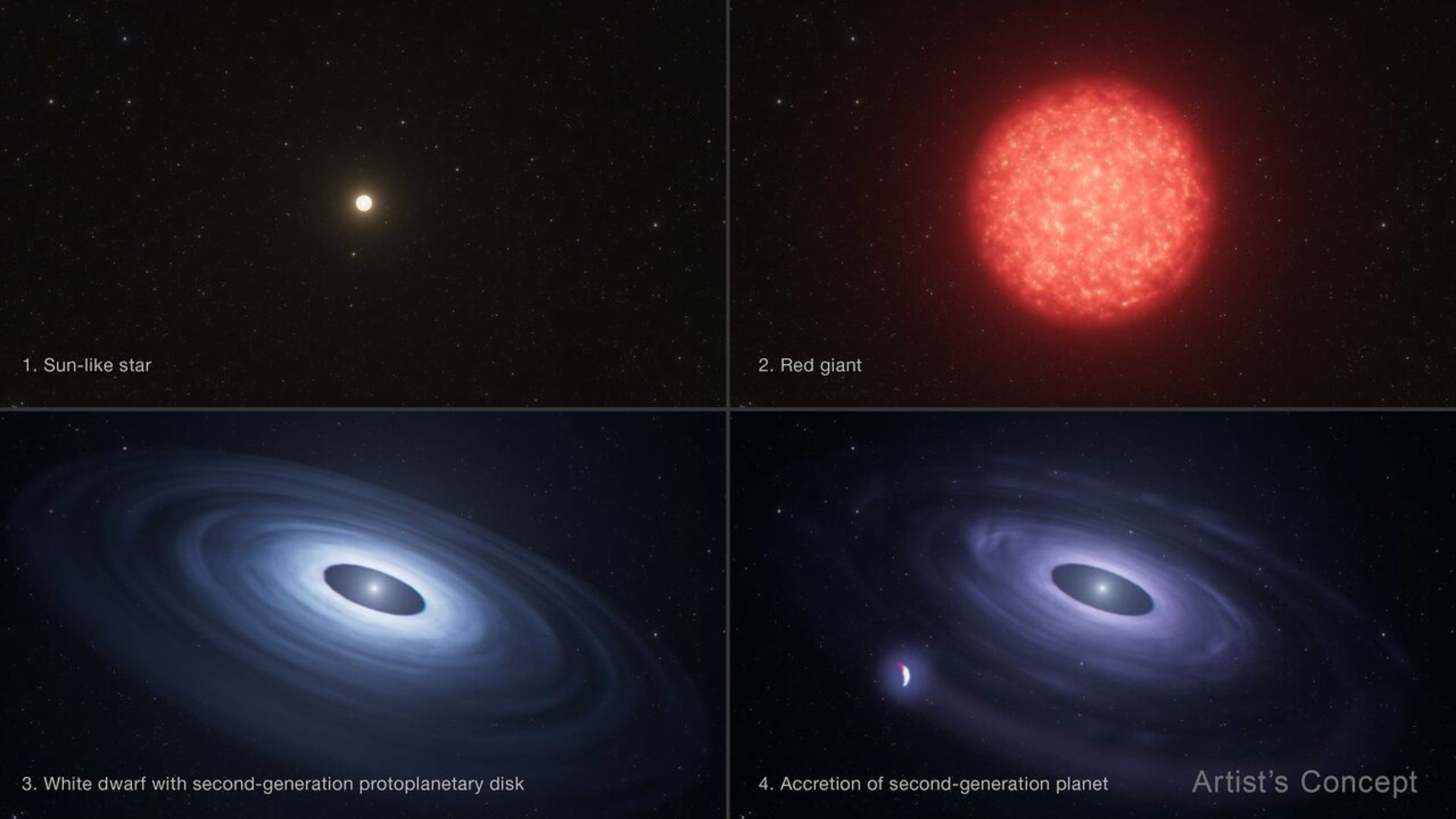
At the end of its life, a star such as our Sun will exhaust its fuel and expel its atmosphere to leave behind a hot and dense star, called a white dwarf.
Traditionally, it has been believed that any planets that may exist in this system will be destroyed during this dramatic burning event. However, a recent finding by the NASA/ESA Hubble Space Telescope has called into question what scientists had long believed about planetary systems.
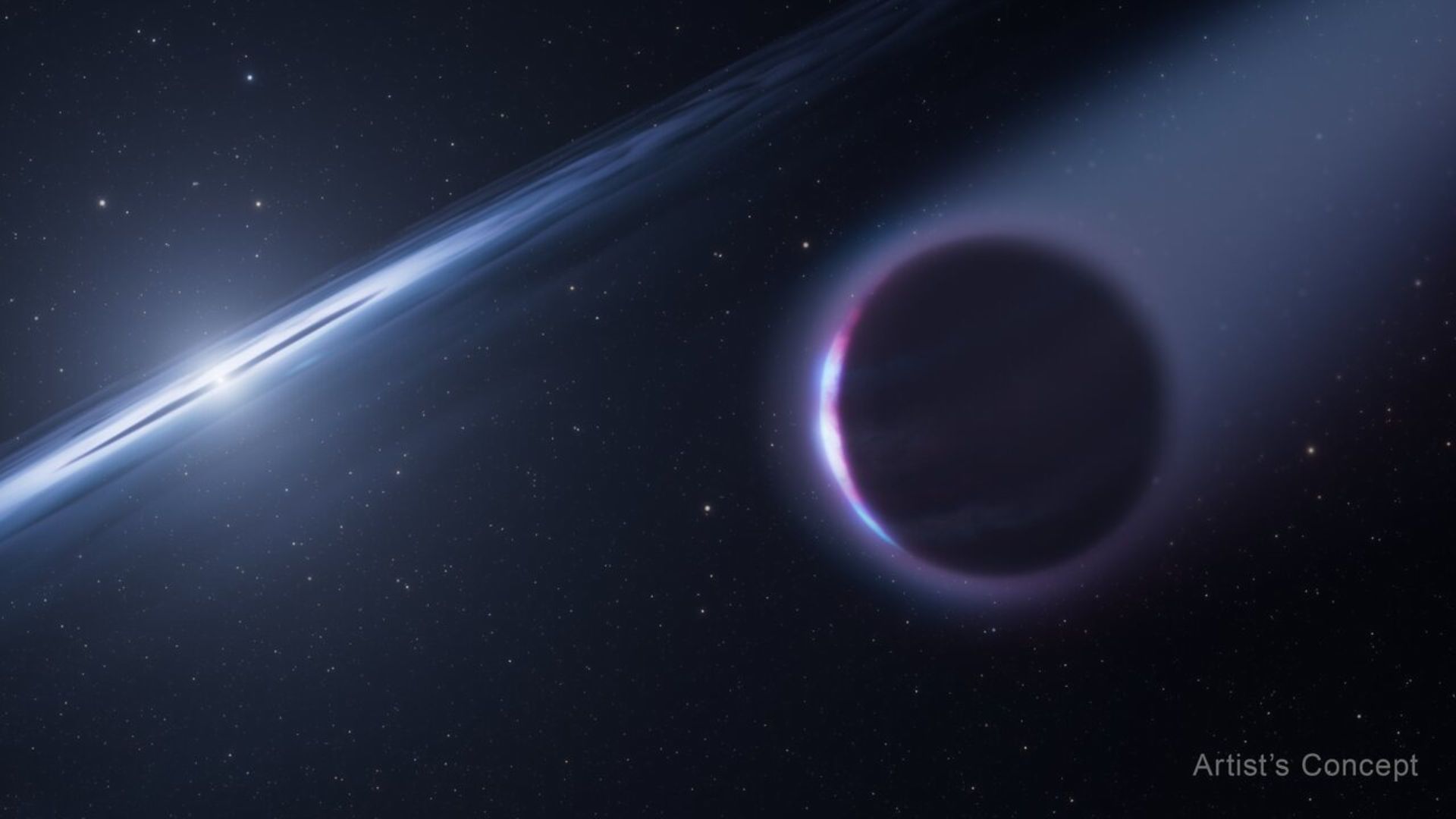
A new study of old Hubble data has suggested that white dwarfs, or ‘dead’ stars, may also support the formation of planets from material expelled when the star died.
A Second Life for a Star
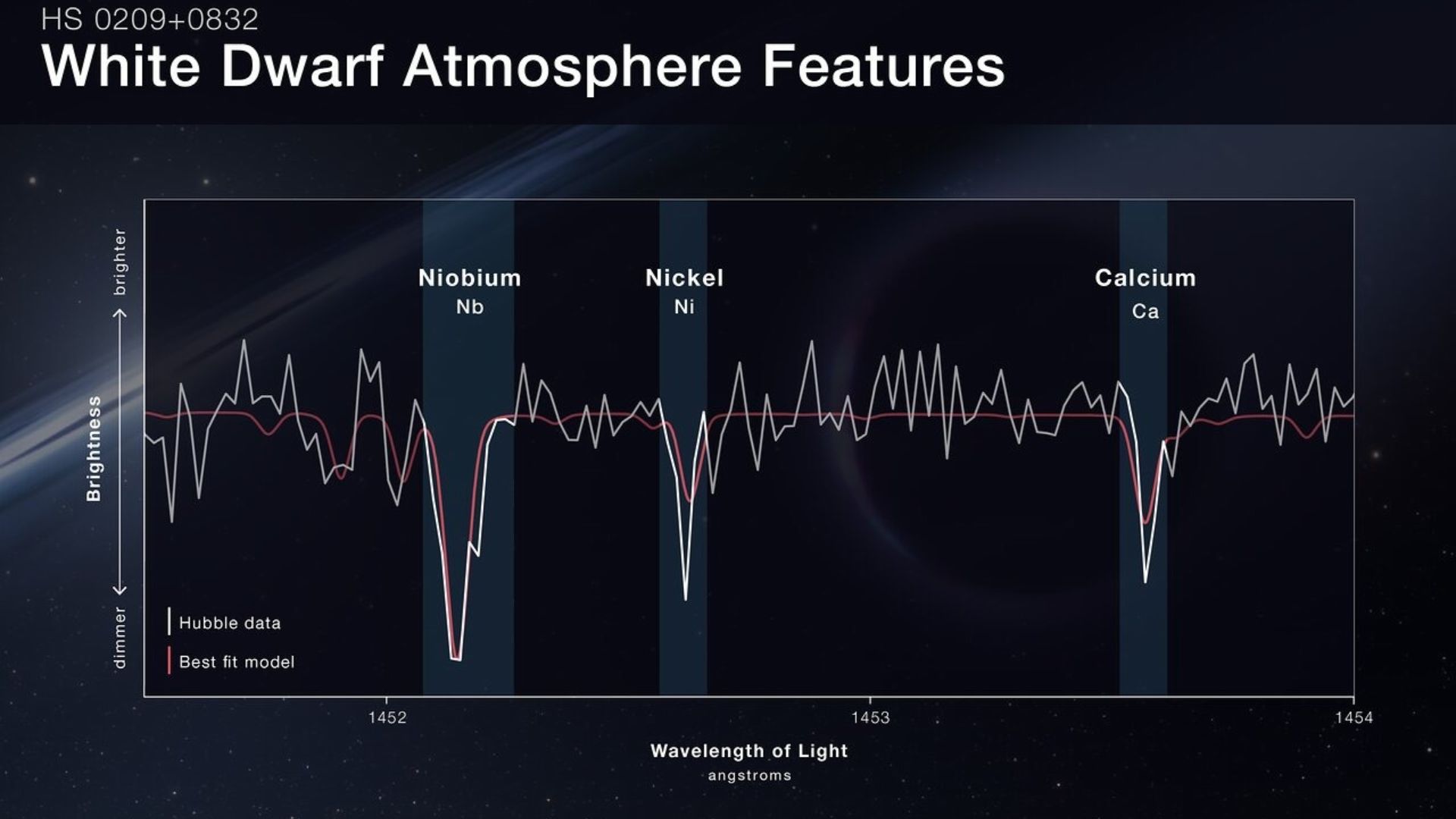
Evidence of an unusual chemical in the white dwarf star HS 0209+0832 raised concern. The chemical in question is niobium. Niobium is a heavy element concentrated in rocky planets. The finding of this heavy element in a ‘dead’ star puzzled scientists and created an almost cold case for many years.
Advertisement
Using new simulations, scientists determined that the source of these elements was not a destroyed ancient planet. Rather, the evidence suggested that a second-generation planet may exist, formed from material expelled during the star’s death or already orbiting the star.
A Second-Generation Planet
If this is indeed the case, this would be the first proposed example of a second-generation planet. Material from this planet is apparently being pulled from its orbit by the white dwarf’s gravity, forming a tail similar to a comet’s. This material then eventually returns to the white dwarf. This would also account for the presence of the heavy elements found by Hubble.
Scientists do not believe that this planet is in any immediate danger of being destroyed.
“If a second generation planet exists then I think it will survive. The white dwarf will cool and then remain at a constant temperature. The planet will remain in the habitable zone for millions of years,” says Williams in the research paper.
This finding also opens up a whole new area of research in astronomy. It also suggests that the death of a star does not necessarily end a planetary system but may instead be the start of a second life for that system.
 Read Exclusive Stories
 Bookmark & Save Articles For Later