A surgical team at AHN Allegheny General Hospital recently hit a new milestone for western Pennsylvania. In April, they completed the region’s first robotic-assisted kidney transplant for a patient receiving a new organ.
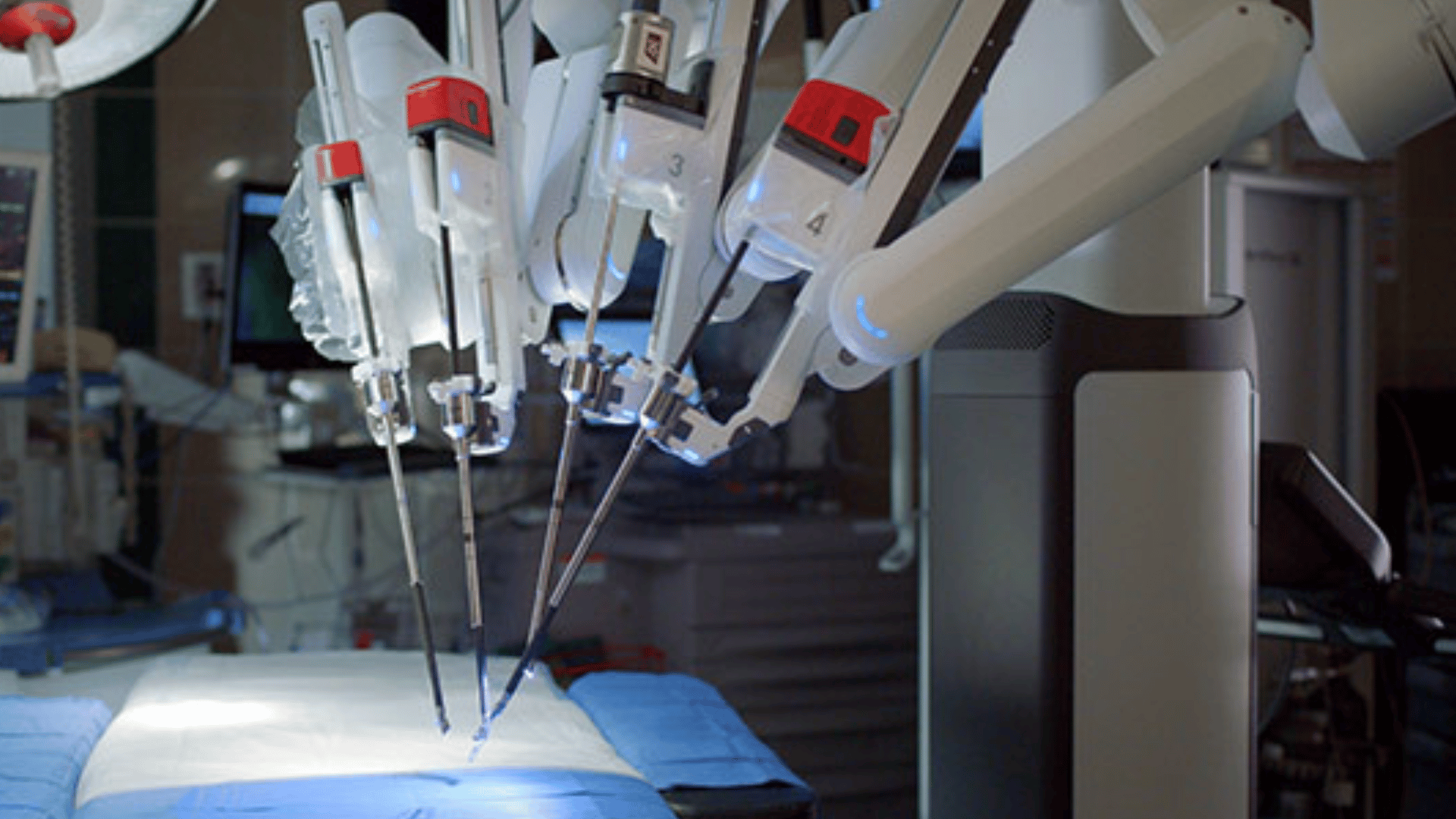
Dr. Jennifer Carpenter, the director of the living donor kidney transplant program, led the surgery. She was assisted by physician assistant Sarah Skeba, using the da Vinci Surgical System.
AHN has routinely used robots to remove kidneys from living donors since 2018. However, this is the first time they used the technology to actually put the donor kidney into a recipient. In an interview with Tomorrow’s World Today, Dr. Carpenter explained that surgical robots open up new possibilities for patients who may have been considered higher risk for a traditional open operation.
“For some patients, concerns about wound complications or surgical recovery can be significant barriers,” Dr. Carpenter said. “By offering a minimally invasive approach, we’re able to reduce some of those risks and potentially open doors for patients who otherwise may have had limited options. At the end of the day, our goal is to help more people receive a transplant and the opportunity for a healthier future.”
This less invasive approach to transplants also helps patients recover quicker.
“That allows them to focus their energy on healing, adjusting to life with their new kidney and following the care plan that will help protect that organ for years to come,” Carpenter said. “The smoother the recovery, the sooner patients can begin enjoying the benefits of their transplant.”
Why the Robot Makes a Difference
Kidney disease happens when your kidneys lose their ability to filter waste and extra fluid from your blood. If it goes untreated, it often leads to kidney failure. Right now, more than 90,000 people in the U.S. are waiting for a kidney transplant. It is the most in-demand organ we have, so finding ways to expand access is incredibly important.
Advertisement
In a traditional kidney transplant, surgeons make a large cut in the patient’s abdomen to place the new kidney. With the surgical robot, surgeons can operate through smaller cuts and gives the team an enhanced 3D view.
“The level of detail we can see with the robotic system is remarkable,” Dr. Carpenter told Tomorrow’s World Today. “The three-dimensional visualization gives us a highly magnified view of critical structures, including blood vessels and surrounding tissue. In transplant surgery, where every connection matters, that enhanced visualization helps us work with extraordinary precision and confidence during some of the most delicate parts of the procedure.”
The Future of Robotic Transplants
Only a small number of hospitals in the country are doing robotic kidney implants right now because it takes specialized training and close teamwork. However, Dr. Carpenter believes as experience and data rises, so will the adoption of the technology.
“It’s not simply a matter of having a surgical robot,” Carpenter explained.
“Successful robotic transplantation requires a substantial institutional commitment and a strong multidisciplinary team. As more centers gain experience and more data continues to demonstrate the benefits for patients, I expect we’ll see broader adoption.”
Because these health factors can sometimes stop a patient from getting a transplant at all, this minimally invasive surgery is a practical way to safely expand who gets a second chance. For example, the technology opens up new doors for patients who are considered morbidly obese, including people with a body mass index of 40 or higher.
Dr. Carpenter believes this is only the beginning to a bright future in healthcare technology. As the technology evolves, Carpenter says so will the precision, enhanced imaging, and patient outcomes.
My hope is that these advances will allow us to make transplantation safer, less invasive and accessible to even more patients,” Dr. Carpenter explained. “The future of transplant care is incredibly exciting because every innovation has the potential to help more people receive—and thrive after—the gift of a lifesaving transplant.”
 Read Exclusive Stories
 Bookmark & Save Articles For Later