There are more than four million women who are battling breast cancer in the United States alone. Additionally, hundreds of thousands are diagnosed annually.
October is breast cancer awareness month, so there is no better time to highlight how many women the disease impacts.
As technology improves, doctors and researchers are taking significant strides to make breast cancer more treatable, easier to detect, and to improve risk prediction. At the forefront of the many innovations in the last year is AI. There have also been significant breakthroughs in medicine.
AI “Sounds the Alarm” Six Years in Advance
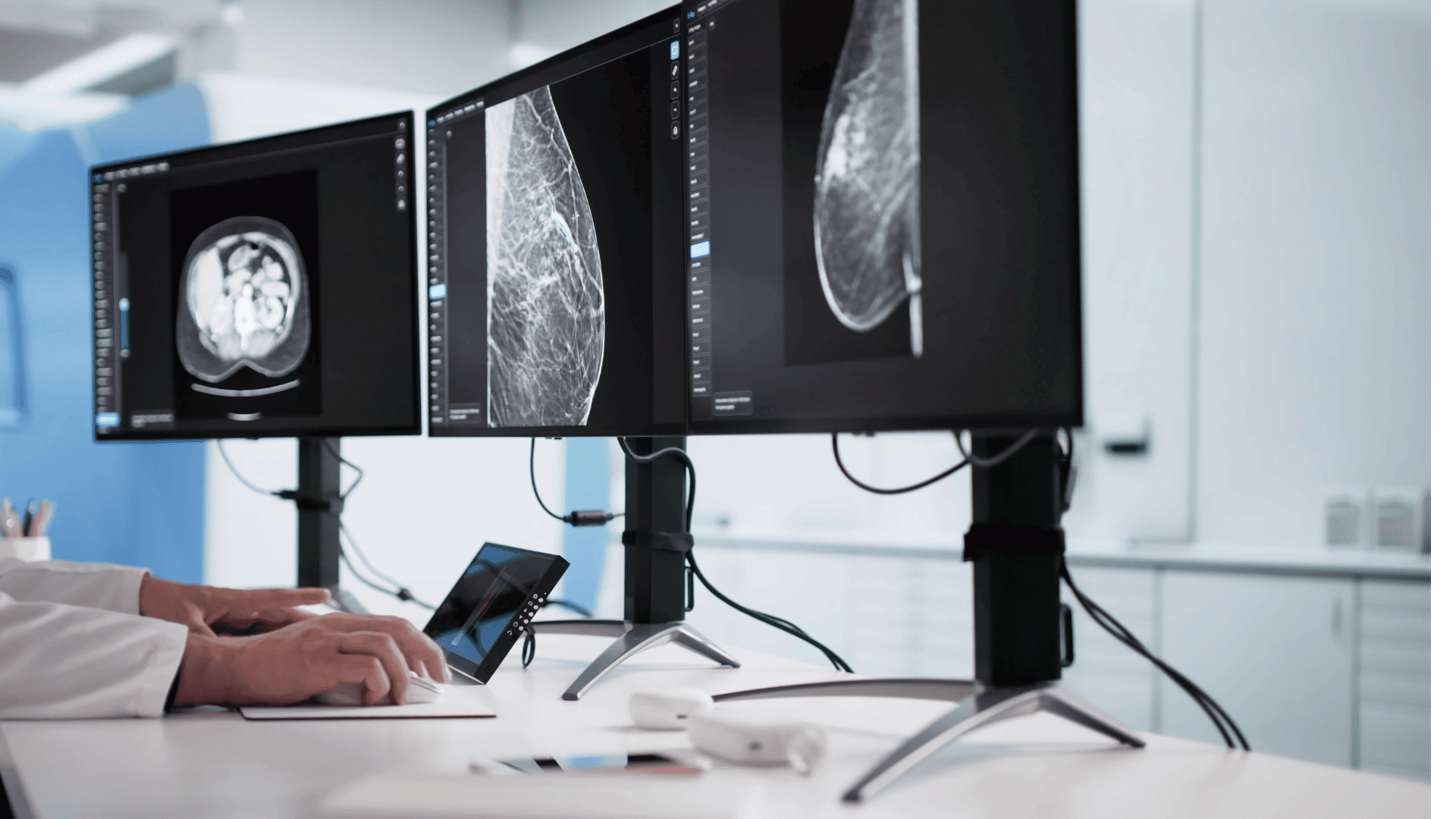
In June of this year, a study showed how AI tools can spot early warning signs of breast cancer significantly earlier than traditional methods.
Researchers from Karolinska University Hospital in Sweden gathered nearly 89,000 mammograms from more than 31,000 women taken over 10 years. In Sweden, women aged 40 to 74 are screened every 2 years, and two radiologists usually read each image. In this specific group, radiologists ended up diagnosing about 38% of the women with cancer between 2008 and 2019.
When the team ran those same older mammograms through the three AI systems, they noticed a pattern. The AI consistently gave higher risk scores to the women who eventually developed cancer, while keeping scores low for those who stayed healthy.
“Approximately 20% of breast cancer cases demonstrate mammographic signs that are already visible to AI around 6 years before diagnosis,” explained Dr. Fredrik Strand. “Our study confirms the potential of AI to, in some cases, find signs of cancer in the mammograms much earlier than when radiologists detected it.”
Breast Cancer Vaccine Shows 75% Immune Response.
Advertisement
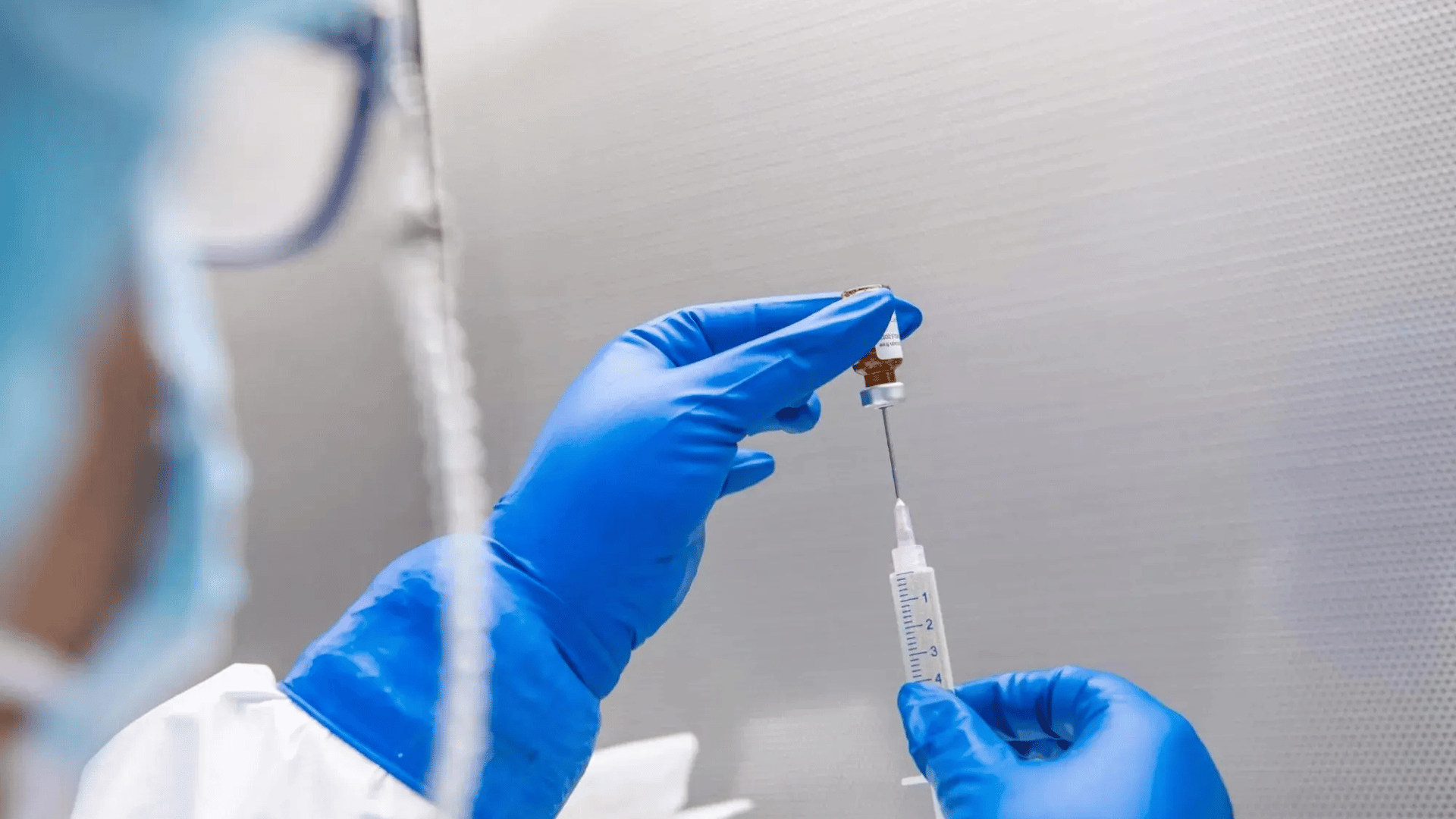
A breakthrough vaccine that may lead to the eradication of breast cancer finished its phase one clinical trial in 2025, with more than 75% of women showing a strong immune response.
The vaccine, which is designed to both prevent and treat breast cancer, is evaluated for effectiveness by measuring antibodies in patients’ white blood cells. The study entered phase two of trials this year, which involves testing the vaccine on a larger group for other types of breast cancer.
Dr. Amit Kumar, CEO of Anixa Biosciences, which is developing the vaccine in collaboration with the Cleveland Clinic, hopes the vaccine will eradicate breast cancer by 2030.
“Cancer vaccines have been very, very difficult to develop,” he said. “There’s never been a successful true cancer vaccine.”
AI Predicts When Recurring Breast Cancer Returns
These days, doctors use genomic tests to assess risk and determine whether a patient might benefit from chemotherapy. However, these methods are costly, take weeks to get results, and destroy the extracted tissue samples, meaning they can’t be used for future testing.
A team of researchers created an AI test to predict recurrence more quickly and at lower cost. Published in Nature Communications, the AI looks at normal microscopic tissue samples on glass slides. It combines those images with routine clinical data such as a patient’s age, tumor stage, and hormone receptor status.
“In testing on thousands of patients, our AI test matched or outperformed a widely used genomic test,” said Krzysztof J. Geras, a visiting scholar at NYU’s Center for Data Science who led the study. “Because it relies on existing slides, it could deliver answers in hours instead of weeks, at lower cost, while sparing tissue for future testing.”
 Read Exclusive Stories
 Bookmark & Save Articles For Later