For decades, nuclear power plants have relied on long metal rods that move up and down to control energy production. It’s a proven method, but it takes up a lot of space. As engineers at the Idaho National Laboratory (INL) work on a new, compact microreactor called MARVEL, they’ve had to rethink how to pack that same control into a much smaller frame.
Shrinking the Nuclear Controls
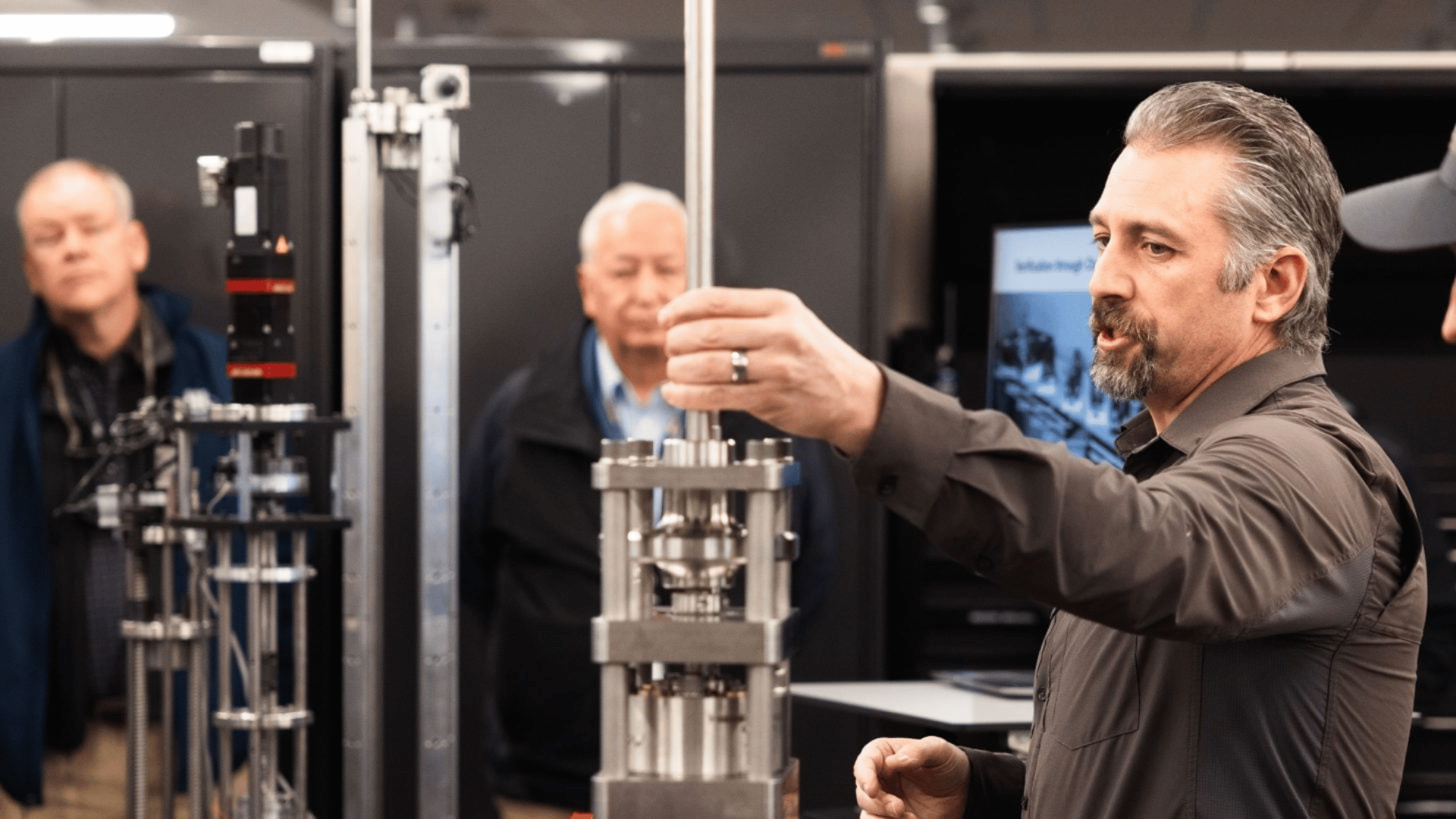
The MARVEL reactor is relatively small compared to traditional plants. It’s about 15 feet tall and 4 feet wide, which is roughly the size of two stacked telephone booths. Because space is at a premium, researchers are using “control drums” instead of just the traditional vertical rods. These are cylinders that sit around the reactor core and rotate to either reflect or absorb neutrons.
“Light water reactors typically use control rods and have a lot more volume and area,” said Anthony Crawford, a researcher in INL’s mechatronics group. “Microreactors, particularly MARVEL, need more compact solutions, so we use control drums.”
While these drums save space, they aren’t easy to build. They have to be incredibly precise during normal operation but move at lightning speed if the reactor needs to be shut down quickly, a process known as a “scram.”
Advertisement
Trial, Error, and Real-World Physics
The team started with a design on paper back in 2020, but moving from a computer model to physical hardware brought some surprises. For example, a design that looked perfect in a 3D model didn’t work in real life because of unexpected friction.
“At one point, we thought we had the perfect design,” Crawford said. “Then we tested it, and it wouldn’t scram because friction was higher than we expected.”
The team also had to deal with “backlash,” which is basically a tiny bit of “slop” or play between gears. In a car, you might not notice a tiny wiggle in the steering wheel, but in a nuclear reactor, even a couple of degrees of movement matters.
The final system is built to be “tunable.” Since reactor parts can swell or change over years of use, the MARVEL system can be adjusted without needing a full redesign. As of February, the team has assembled the main actuators and is putting them through their paces on a test stand.
“In MARVEL, the control drums are the heart of how we control the reactor during operation,” Crawford said. “The central insurance absorber provides defense-in-depth.”