To make nuclear energy happen, you need a reactor and a steady supply of fuel to run it. However, it’s a lot easier said than done. Two companies are looking at a way to simplify that process.
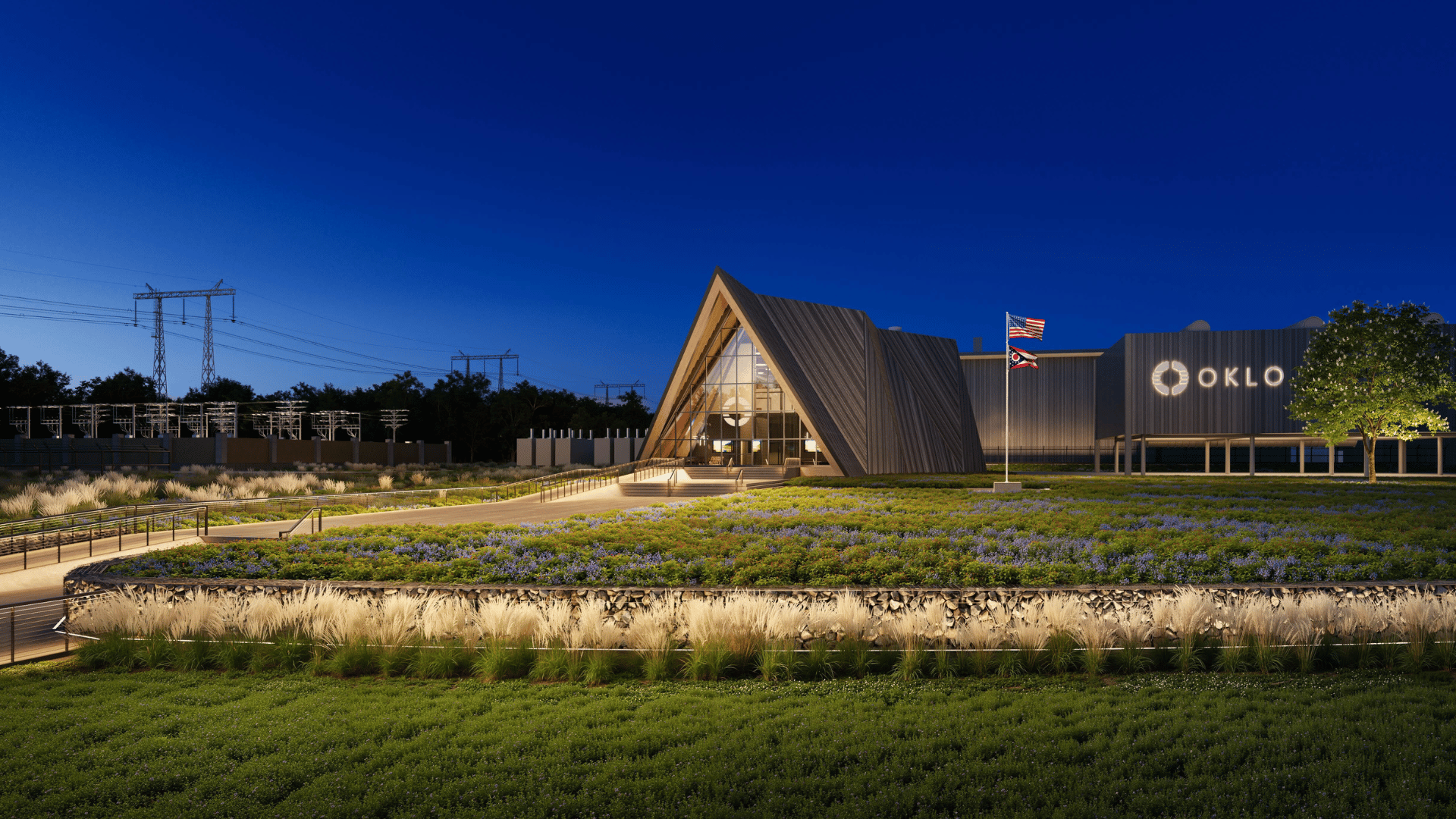
Oklo Inc., a developer of advanced fission plants, and Centrus Energy Corp. have teamed up to explore a joint venture in southern Ohio. Their goal is to build a “deconversion” facility at the Centrus site in Piketon, OH.
A More Efficient Nuclear Process
To understand why this matters, you have to look at how nuclear fuel is made. After uranium is mined and enriched, it’s still not ready for a reactor. It has to go through a step called deconversion, where it’s turned into a specific chemical form, like a metal or an oxide.
Usually, these steps happen in different places, which means a lot of shipping and extra costs. By putting deconversion right next to enrichment operations in Ohio, the companies hope to create a one-stop shop. This “central hub” approach could save money and speed up how quickly new reactors get online.
Advertisement
“Advanced nuclear energy development requires not only reactors but also reliable fuel-cycle capabilities that support those reactors,” said Jacob DeWitte, CEO and co-founder of Oklo. “This framework supports deeper discussions with Centrus on potential pathways to expand deconversion capacity, strengthen domestic supply chains, and advance a more efficient fuel-cycle model that operates from the same location.”
Bolstering a Supply Chain
This move is about making sure the U.S. can produce its own advanced fuel. Many next-generation reactors use a type of fuel called HALEU (high-assay low-enriched uranium). If every reactor company had to build its own separate deconversion line, it would be incredibly expensive.
Centrus President and CEO Amir Vexler noted that the company is “laying the groundwork to rebuild the U.S. nuclear fuel-cycle capacity, including the services needed to support advanced reactor fuels.”
He added, “We look forward to exploring options to co-locate and scale deconversion services to improve efficiency and support growing demand.”
The project also fits into a bigger plan to refresh the old Portsmouth Gaseous Diffusion Plant. Local groups are working to turn that land into a center for clean energy and manufacturing.