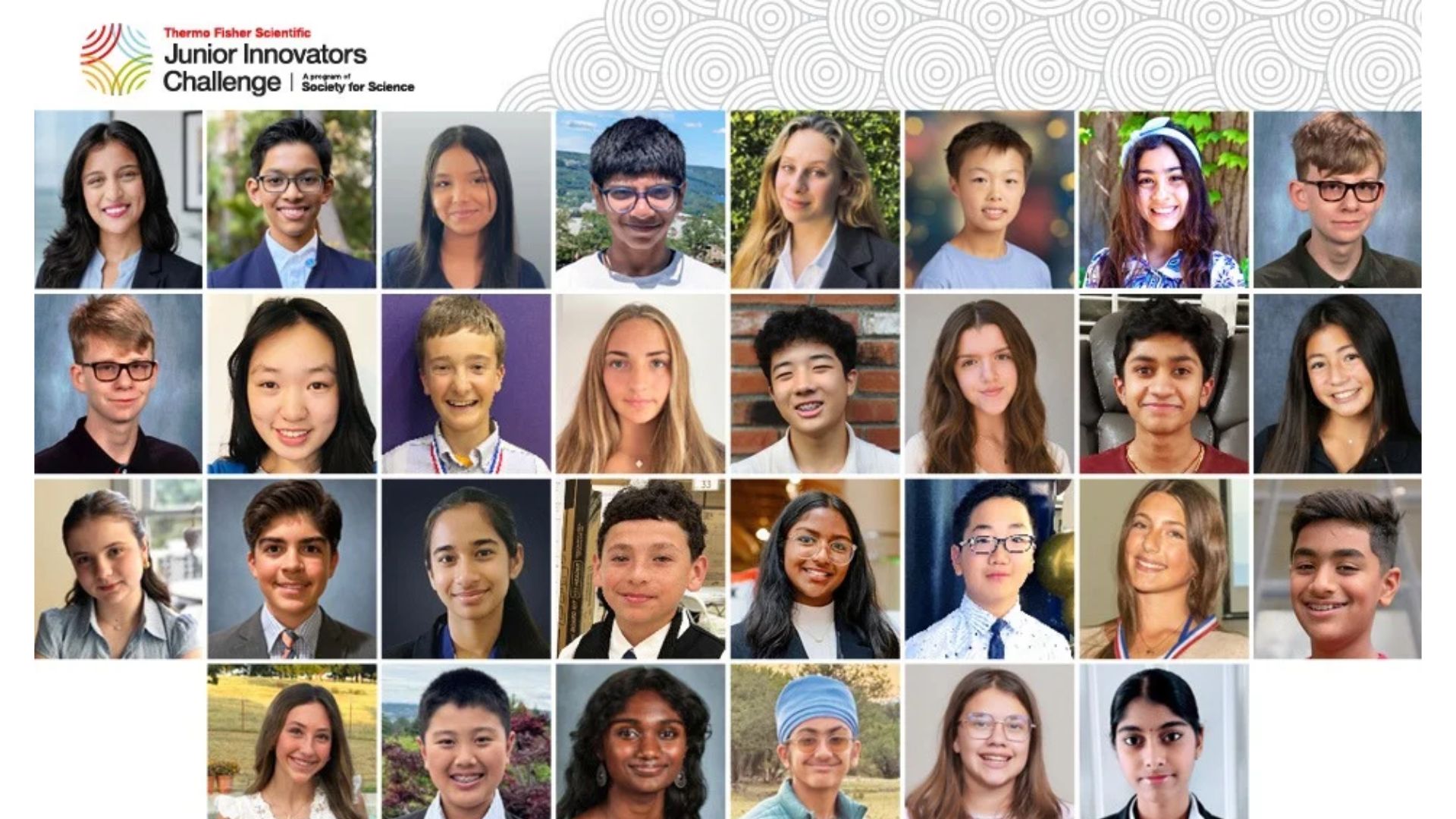
Every year, thousands of middle school students enter local science fairs across the United States. Only thirty make it all the way to the top.
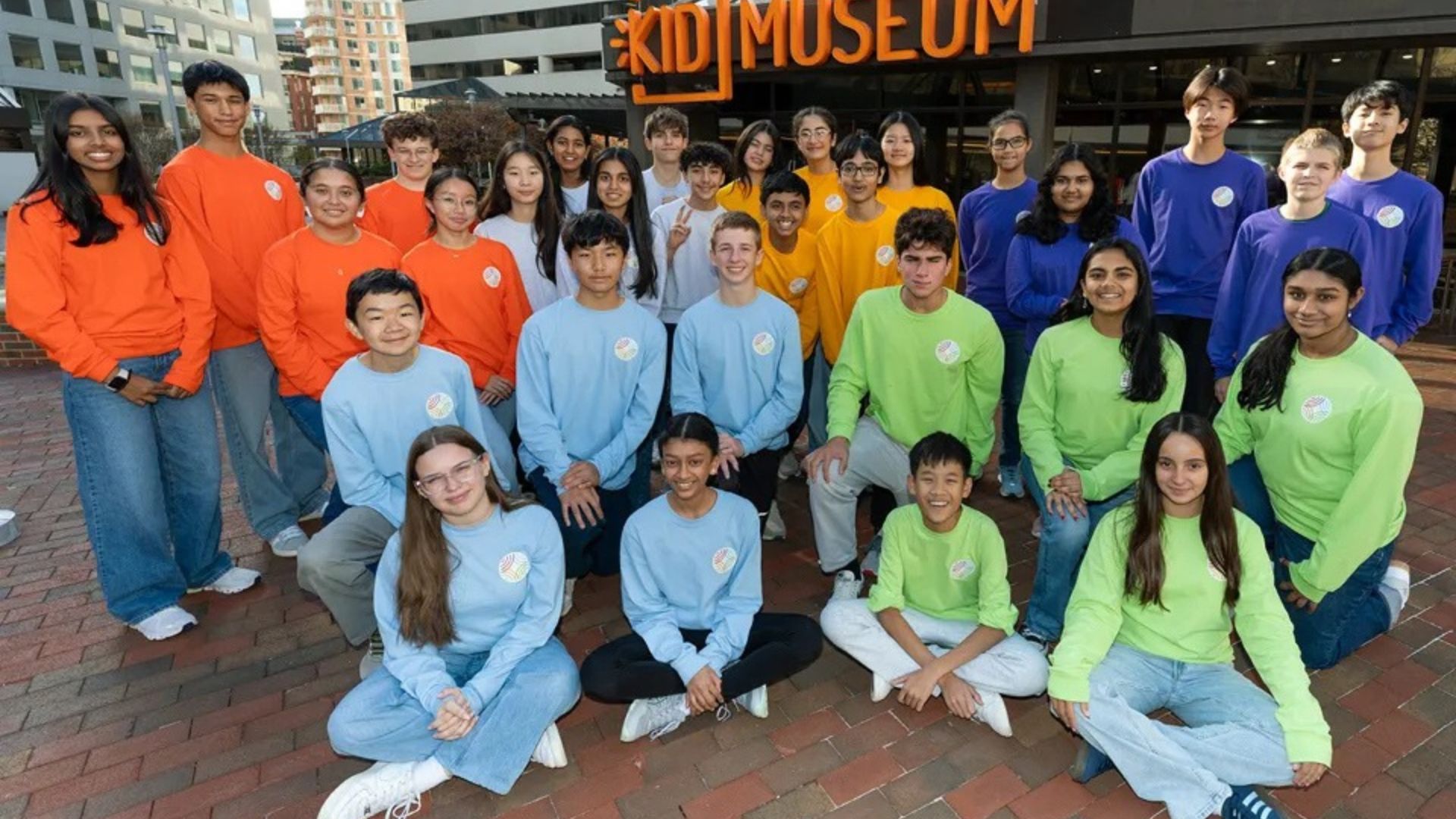
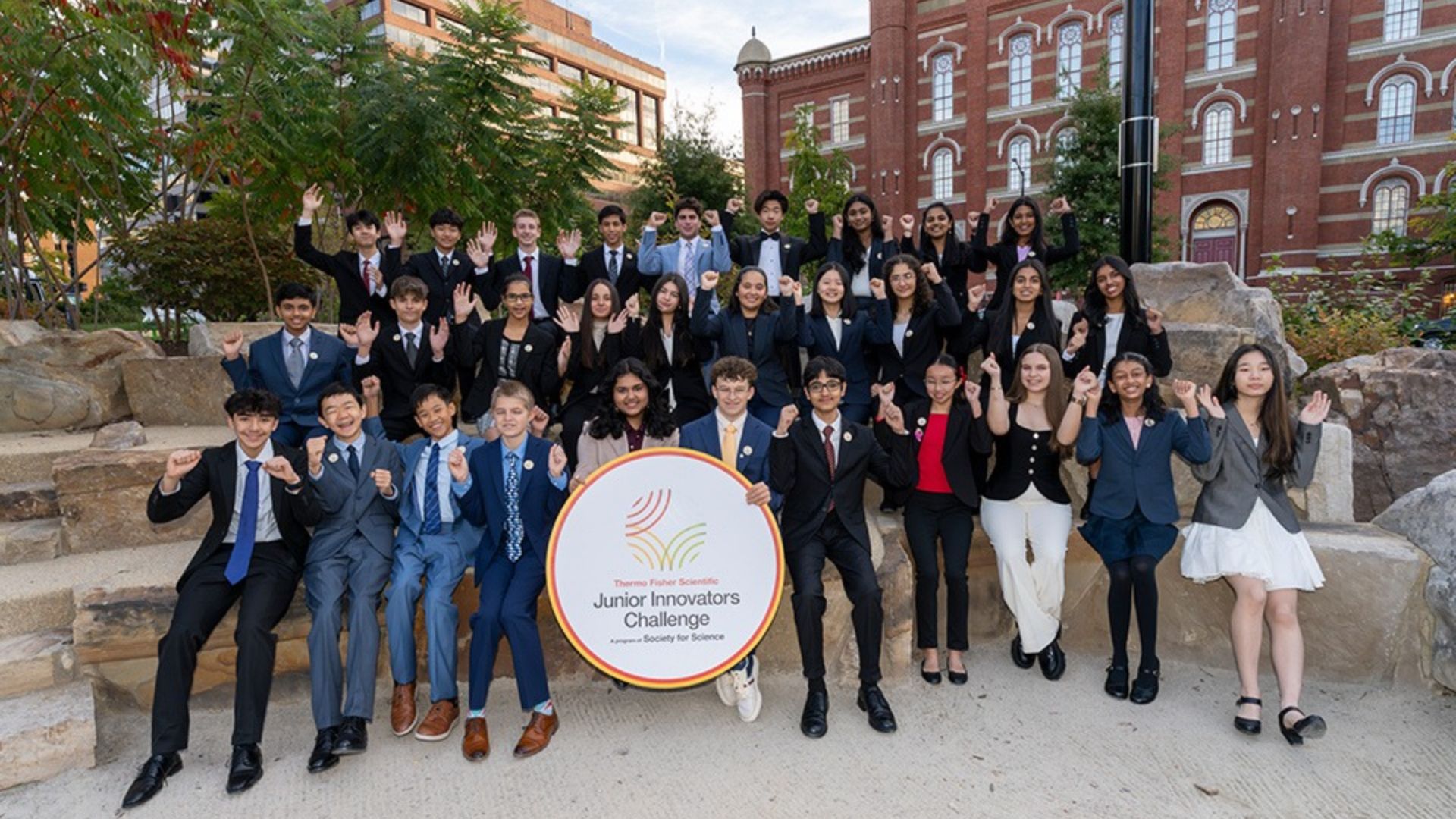
The Society for Science and Thermo Fisher Scientific have named the 30 finalists for the 2026 Thermo Fisher Scientific Junior Innovators Challenge (Thermo Fisher JIC). The students will travel to Washington, D.C., in late October to present their research and tackle team challenges for over $100,000 in prizes.
Real Science for Big Problems
This isn’t your average middle school science fair. The project’s focus is on solving real, practical problems facing local communities and global industries.
Instead of basic demonstrations, these students are building real prototypes and running complex data models. This year, Environmental and Earth Sciences took the top spot as the most popular project category, closely followed by Chemistry, Energy, and Engineering.
Projects ranged from modifying water generators to use low-frequency sound waves to extract moisture from air more efficiently to creating biodegradable crop mulch from leftover plantain peels from a school cafeteria.
Spotting Patterns with AI and Biotech
Advertisement
A lot of this year’s finalists used advanced digital tools and biotechnology to tackle health and environmental questions.
One finalist built a machine learning model to screen tens of thousands of small molecules, hunting for potential drug candidates to treat frontotemporal dementia. Another student trained an algorithm on satellite imagery to spot hidden lithium deposits from space, aiming to make mining for battery materials less destructive.
Other projects focused on hardware innovation, like a low-cost airborne DNA sampler built with simple fans and filters to help rural communities track airborne pathogens.
Competing in Washington
Finals Week runs from October 23 to October 28 in Washington, D.C.
During the event, judges won’t just evaluate the students on their individual research. The middle schoolers will also be put into mixed teams to solve hands-on STEM challenges, testing how well they communicate, adapt, and work together under pressure.
Every finalist walks away with at least $500 in cash, and their home schools receive $1,000 to support local science programs. The overall winner takes home the $25,000 Thermo Fisher Scientific ASCEND Award.
 Read Exclusive Stories
 Bookmark & Save Articles For Later