The U.S. Department of Energy (DOE) and a team of national labs just proved that AI can handle one of the most tedious parts of building a nuclear reactor: the paperwork.
In a recent test, a team from Idaho National Laboratory, Argonne National Laboratory, Microsoft, and the startup Everstar used an AI tool called Gordian to translate a massive safety document into a format required for a commercial license. Normally, this is a grueling manual process. A team of experts usually spends four to six weeks getting it done. Artificial intelligence, however, finished it in a single day.
A More Accurate Process
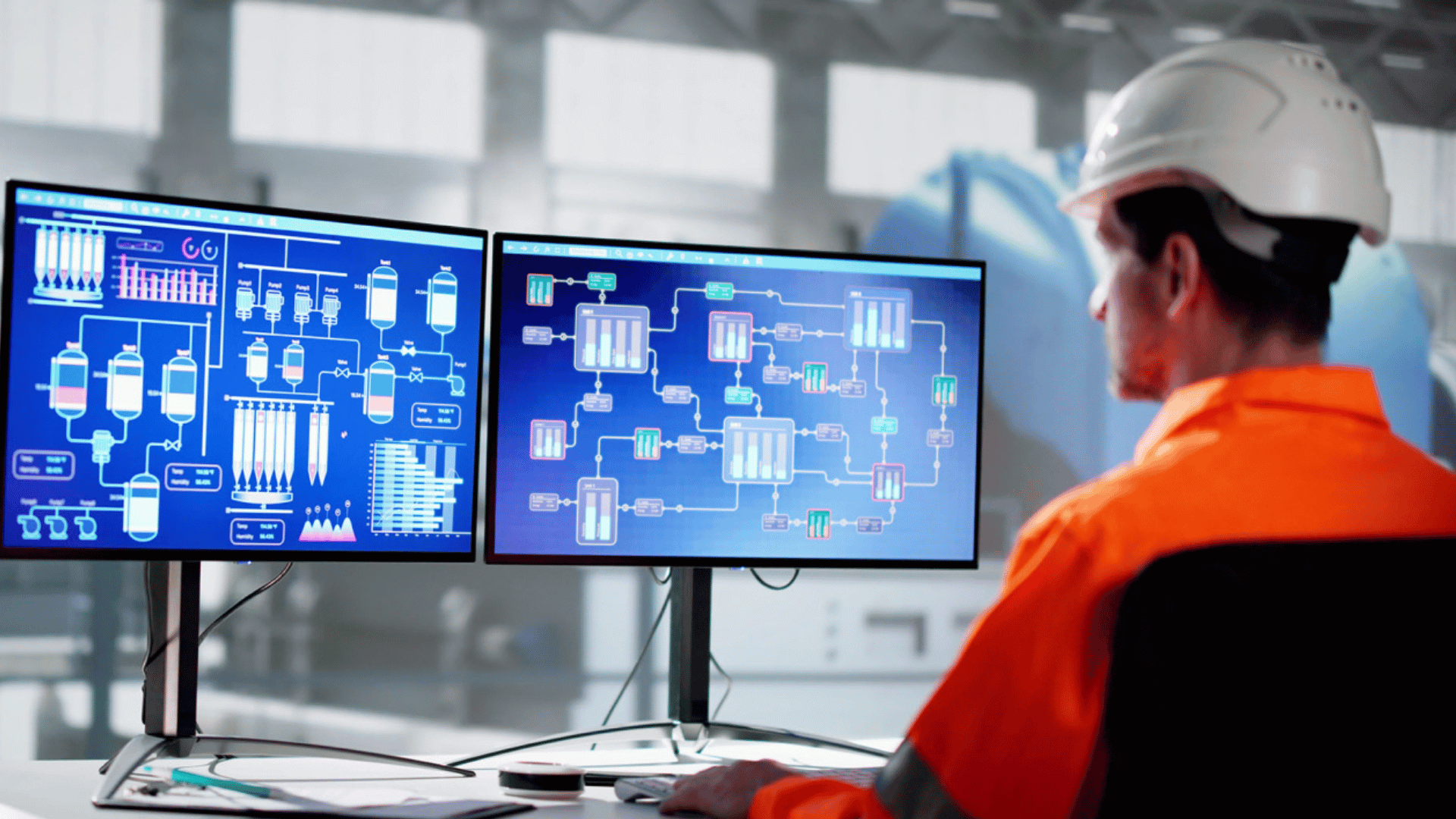
The tool actually flagged missing information that the team would need to get a green light from the Nuclear Regulatory Commission (NRC).
It’s important to note that this won’t replace the people who keep these plants safe. According to officials, experts design the tech, AI speeds up the drafting, and experts validate the final result. After the AI finished its work, a human specialist checked the document for accuracy, grammar, and technical depth. They found the output met professional standards and, surprisingly, the AI was smart enough to point out its own “gaps” where it didn’t have enough data.
Advertisement
“Now is the time to move boldly on AI-accelerated nuclear energy deployment,” said Rian Bahran, Deputy Assistant Secretary for Nuclear Reactors. “It has the potential to transform how industry prepares its regulatory submissions and deploys nuclear energy while upholding the highest standards of safety and compliance.”
Cutting the Time to Get a Nuclear License
Right now, getting a nuclear license can take years, involving endless rounds of manual reviews and tiny clerical fixes. However, a study by the National Reactor Innovation Center suggests that these tools could eventually cut document development and review cycles by 50%.
“Nuclear is poised to solve today’s critical energy challenges,” said Kevin Kong, CEO and Founder of Everstar. “We’re excited to partner with INL to meet the moment, working together to accelerate regulatory review and commercialization.”
The team is now working on a “confidence grade” system to rank how well the AI performs.