As part of the Costume Institute’s spring exhibition titled “Costume Art,” which covers how fashion and art interact, Vogue’s staffers and friends were asked to share their favorite pieces of clothing featured in paintings, sculptures, or fine-art photographs. Here are a few of their choices, along with the historical and visual details behind each famous piece.
Portrait of Anne Boleyn, Unknown Artist, Late 16th Century
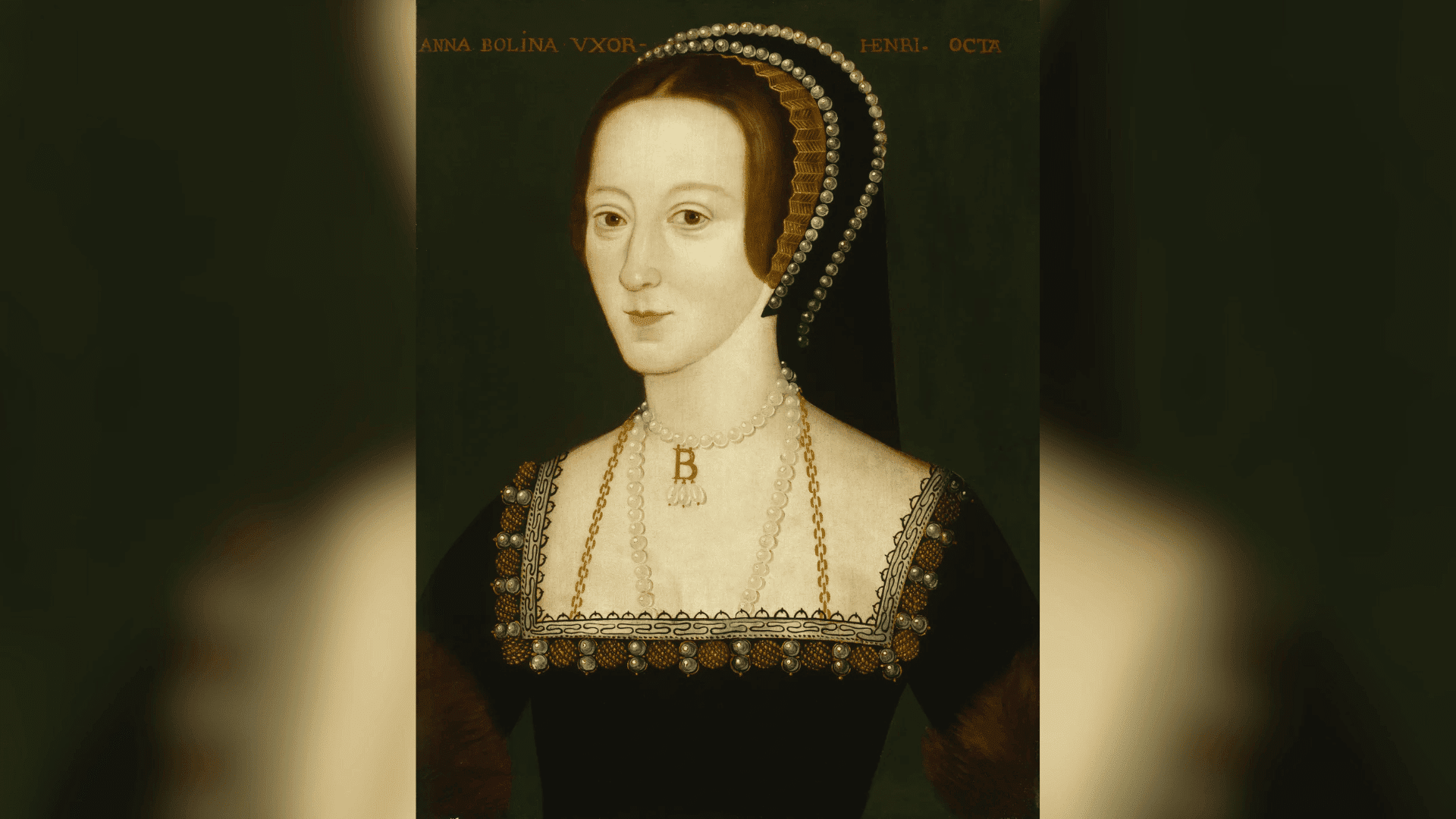
The famous Portrait of Anne Boleyn, as with any other rendering of the controversial historical figure, was likely created posthumously rather than during a live sitting, unlike many other portraits of the period. Recent studies of the painting using infrared technology have even led researchers to believe the painting was meant to rehabilitate Boleyn’s image.
Though the circumstances of the painting’s creation are mysterious, likely due to the controversy, renderings of Boleyn typically feature a distinctive French hood, a necklace with the letter “B,” and a dark velvet gown.
“Anne Boleyn has always been a style icon of mine—mainly because we don’t have an undisputed and accurate piece of art of her; Henry VIII ordered much of her imagery destroyed after her execution. So we have been left to imagine much of the garments and details of her aesthetic. I love this piece because the garment is structured and serves almost as her armor—she’s in control. And yet she’s softened the severity of the dress with the personalized pendant and delicate trims. It’s commanding and strong, made even more so by knowing her eventual fate,” stated Bailey Moon, stylist.
Joan of Arc, John Everett Millais, 1865
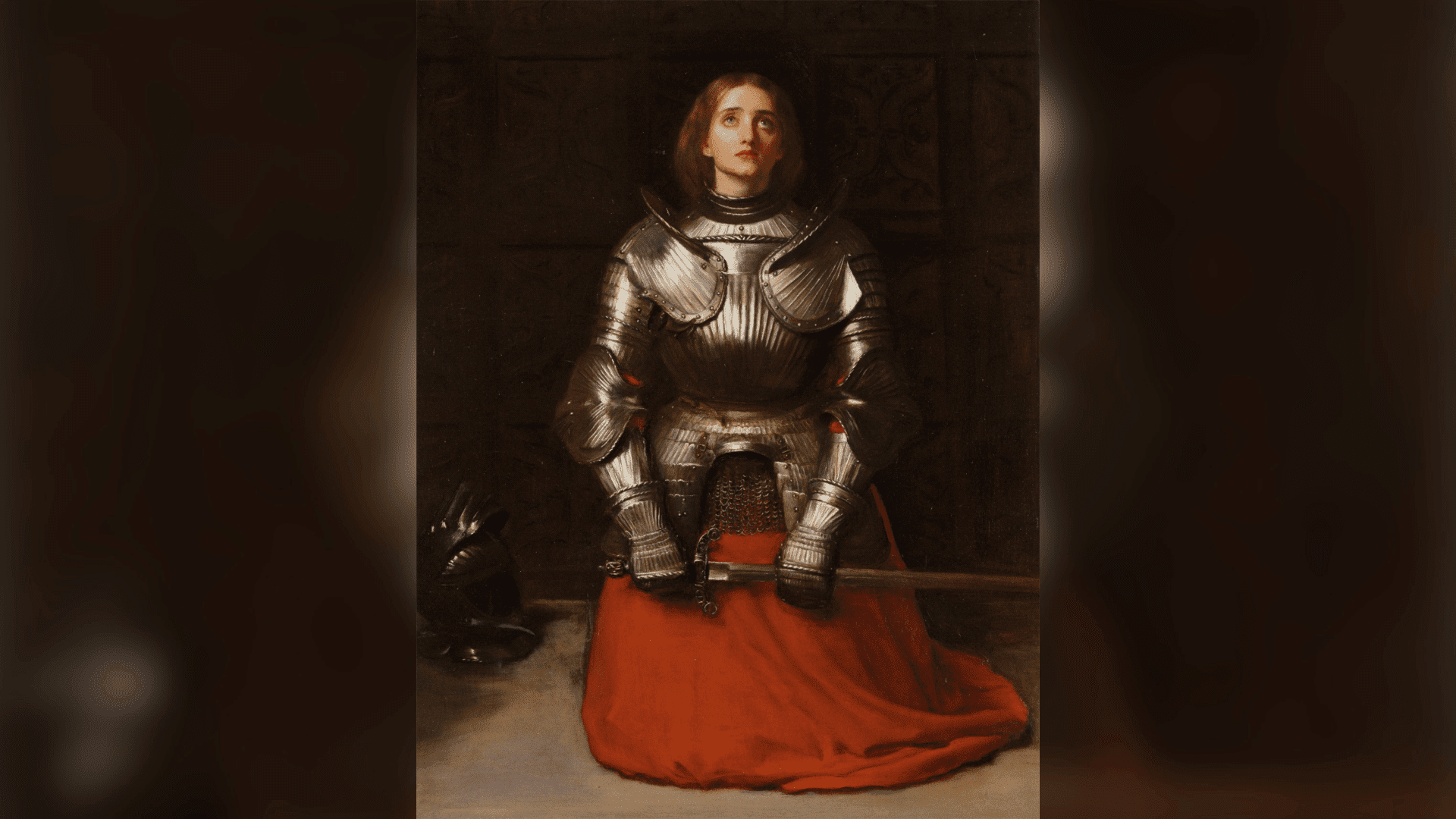
This oil-on-canvas painting captures the French heroine in a moment of introspection, rather than active battle. In a prayerful moment before battle, the warrior wears a half-suit of armor and chainmail rendered with “painterly virtuosity,” highlighting the gleaming texture of the steel. Beneath the armor is a bright red skirt, and she holds a heavy sword in both hands as she gazes upward.
Advertisement
“I’ve always been drawn to Joan of Arc by John Everett Millais for the way it balances strength and femininity. Armor covers her upper body, while a swath of red fabric softens her lower half. It doesn’t erase her femininity—it holds it alongside her strength. Even in prayer, she seems self-possessed rather than subservient, bracing for the battle ahead,” stated Stephen Biga, designer, Mel Usine.
Portrait of Comtesse d’Haussonville, Jean-Auguste-Dominique Ingres, 1845
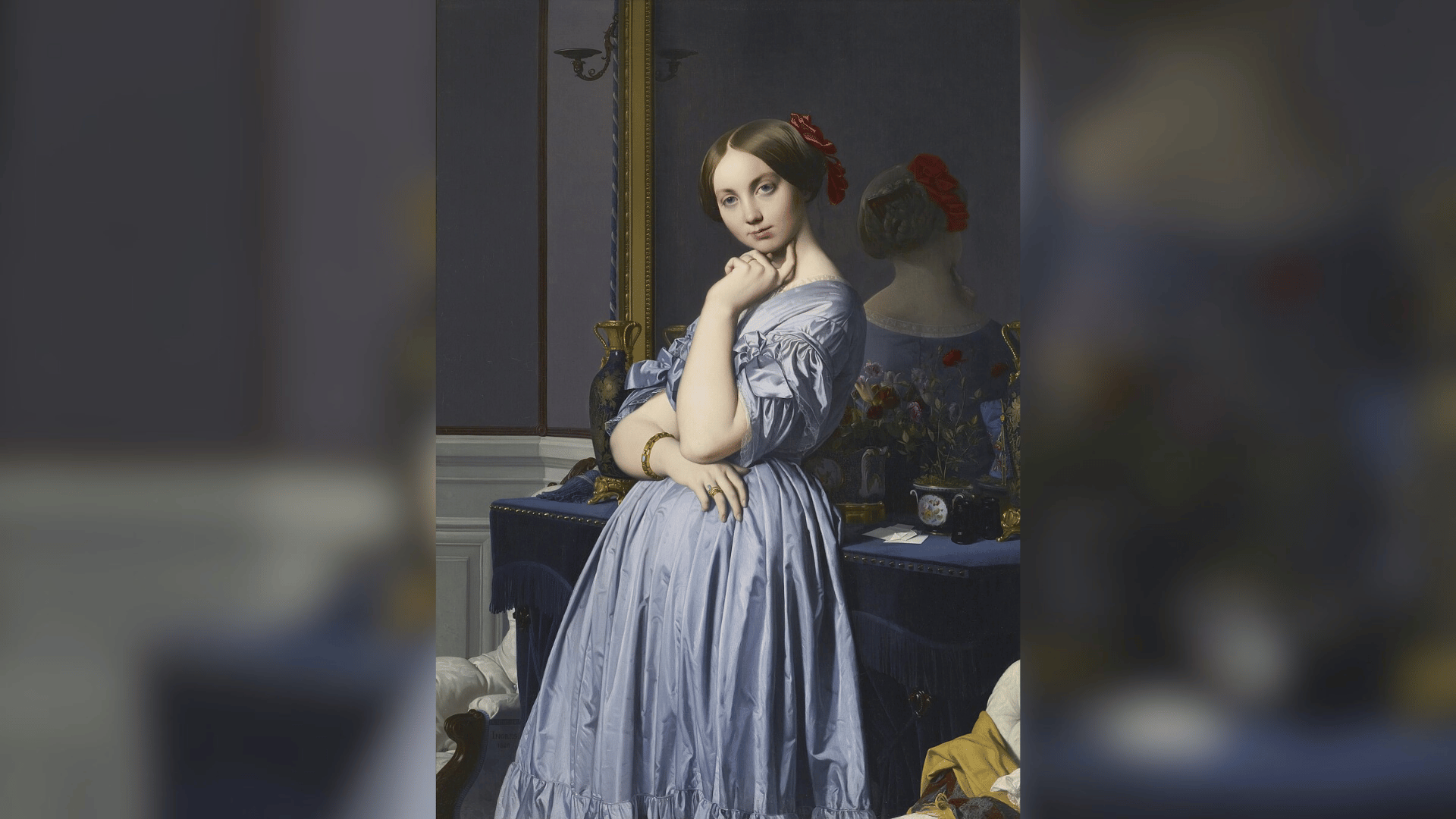
This acclaimed painting depicts Louise de Broglie, a highly educated essayist and biographer, at age 24, wearing a blue satin dress with a bright red floral headpiece in her hair. Apart from the unique color combinations, the painting captures the shimmering texture of the dress, the mirror reflection of the subject, and many artifacts that represent personal details, including calling cards, opera glasses, and wildflowers.
“I’ve always loved the perfect blue of the Comtesse d’Haussonville’s dress. It’s a mixture of ice and the sky on a pre-spring day, and the sheen of the taffeta makes it even more irresistible. I also love the power pairing of that icy blue with the fire red hair bow,” stated Chloe Malle, head of editorial content, Vogue US.
The Circle of the Rue Royale, James Tissot, 1868
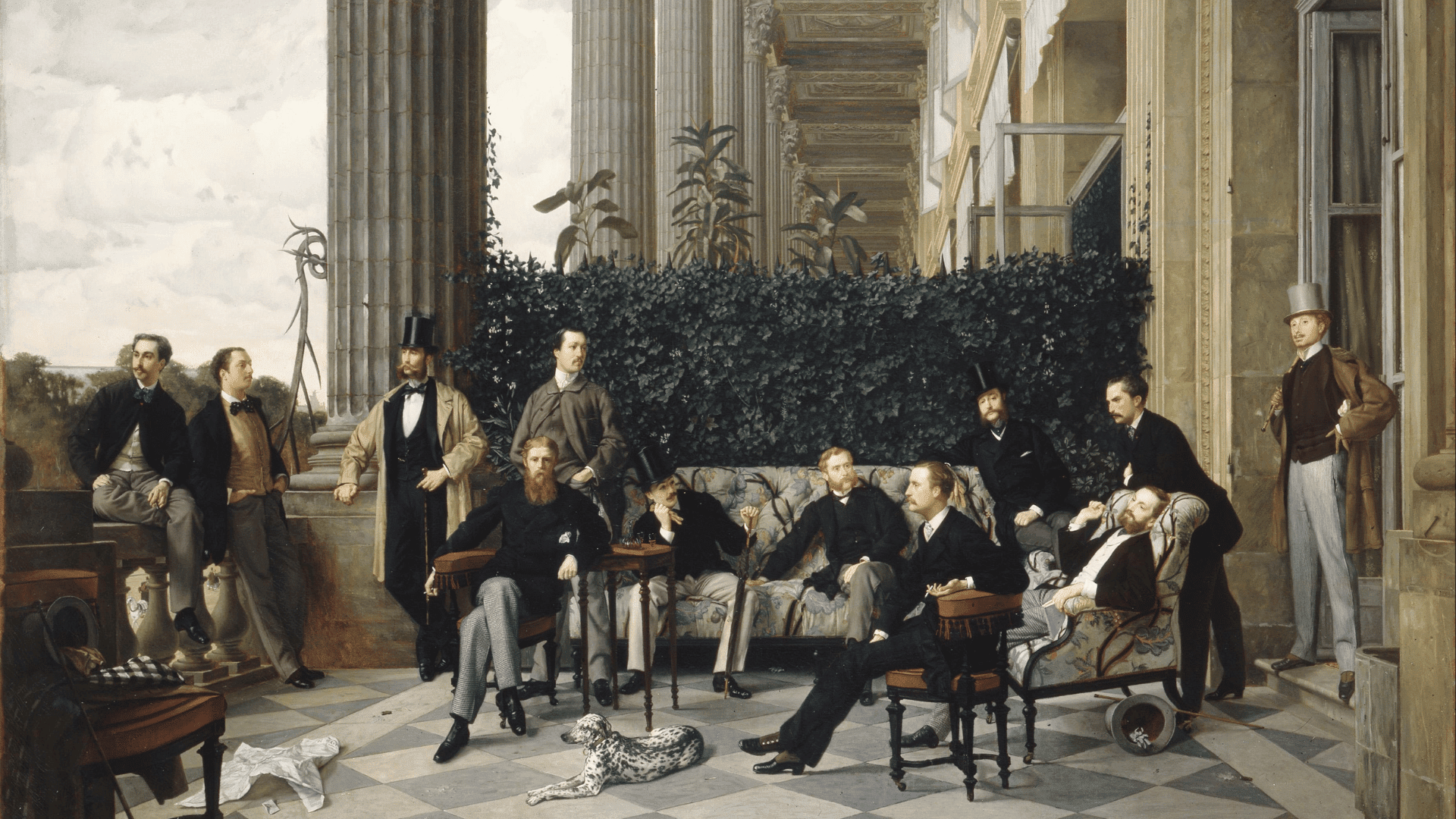
Featuring a group portrait of twelve members of the “Cercle de la rue Royale,” a prestigious and exclusive gentlemen’s club in Paris, the painting utilizes the High Realism technique. This method captures the exact texture of the clothes featured in the piece, including top hats, morning coats, canes, and more.
“I saw this massive painting at the Musée d’Orsay and was instantly captured by the dandiness of it all, but my eyes went specifically to the detail of the pants of the man sitting down on the left. There’s an exquisite quality in the way the fabric was captured by James Tissot. You know exactly how the pants would feel to the touch. It was a museum visit turned into shopping inspo!” stated Diego Portillo, visuals editor.