An early Rembrandt van Rijn painting, once thought lost, has been rediscovered by the Rijksmuseum. The painting that has reemerged from a private collection is called Vision of Zacharias in the Temple (1633), which depicts the story of the high priest Zacharias being told by the angel Gabriel that he and his aged wife will have a son, John the Baptist.
Lost Painting Found
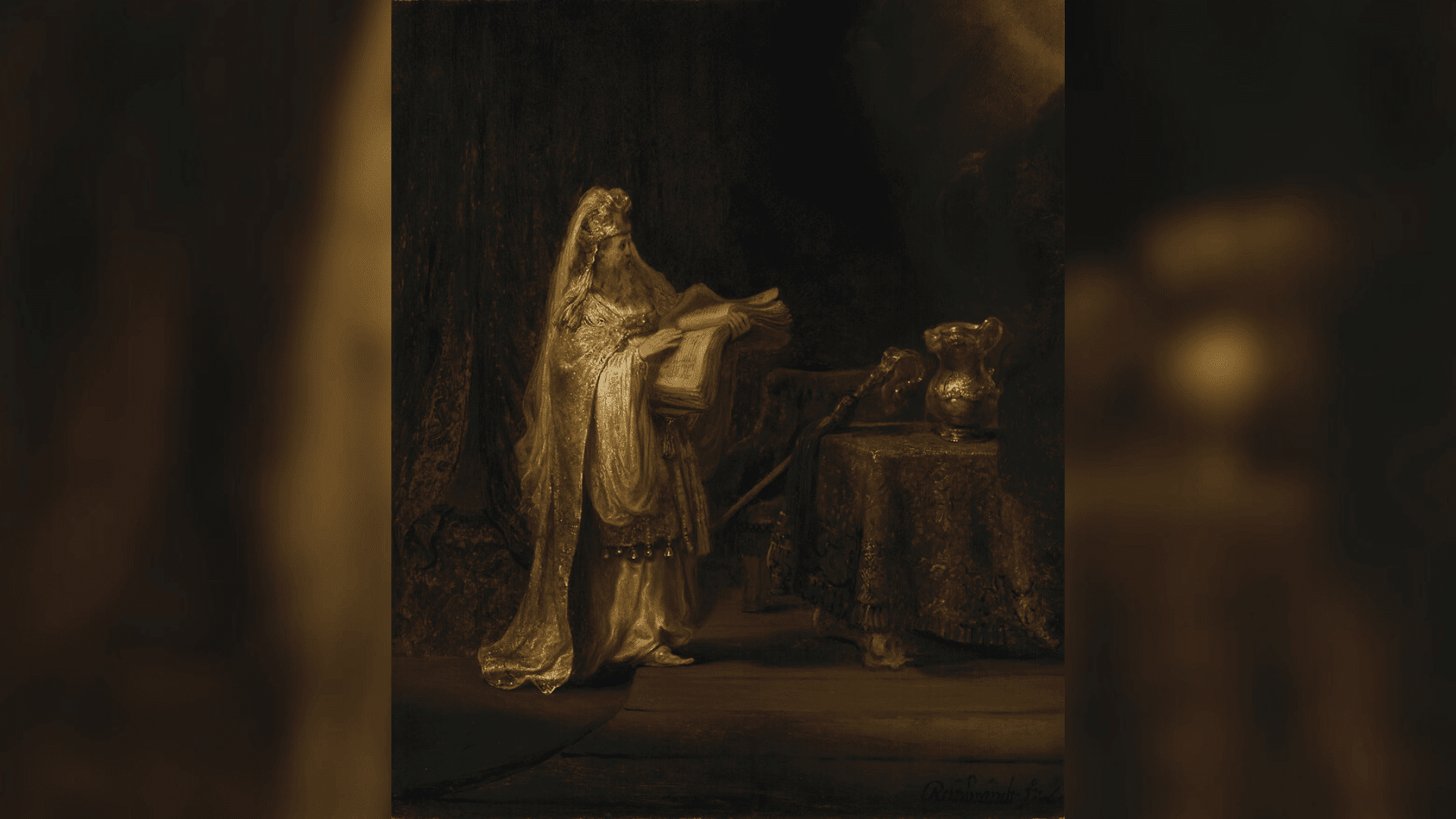
According to the Rijksmuseum’s director, Taco Dibbits, the painting is an example of Rembrandt’s storytelling ability and the early development of his sketch style.
Although there has been some speculation regarding the painting’s authenticity since the 1960s, modern scanning techniques have convinced the Rijksmuseum that it is one of Rembrandt’s. Rijksmuseum’s curator of 17th-century art Jonathan Bikker and paintings researcher Petria Noble stated in The Burlington Magazine that the painting has been “mistakenly excluded from Rembrandt’s oeuvre since the mid-20th century on the basis of evaluation using photographic reproductions rather than first-hand examination”.
Advertisement
Vanishing from public view in 1961, the painting was sold by an art dealer in Amsterdam to a private collector. The painting was then inherited by the collector’s two children, who decided to conserve the painting and approached the Rijksmuseum for advice on whether it was by a famous painter.
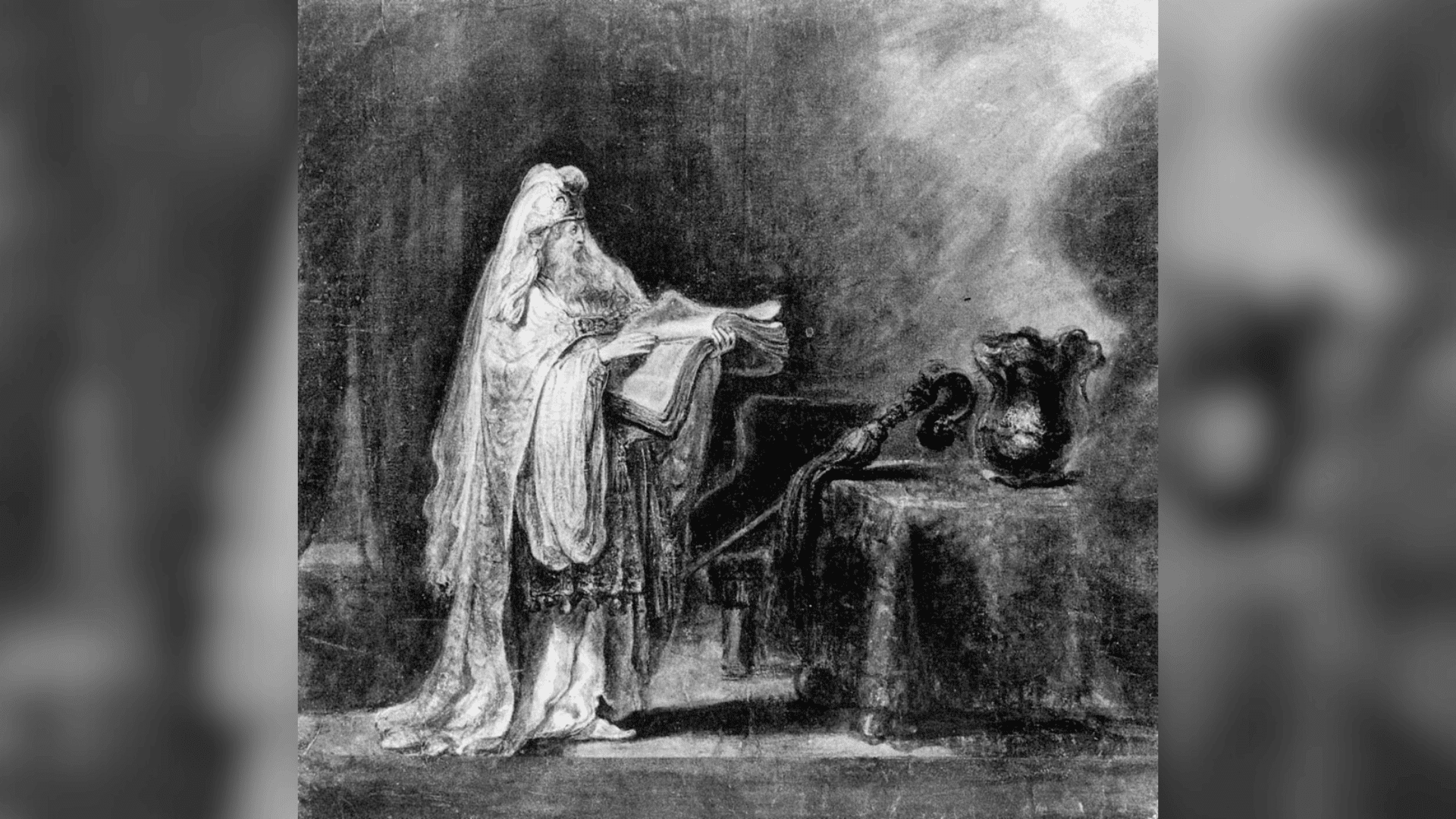
Using similar techniques used in The Night Watch (1642) restoration, the Rijksmuseum established that the paint pigments in the painting matched those in Rembrandt’s works from the same period. The painting also shared Rembrandt’s technique of building up layers.
According to a statement by the museum, macro-XRF scans showed characteristic compositional changes.
“Before, you only had black-and-white photos and all of the comparisons had to be done from memory,” Bikker said. “We are hugely privileged to have been able to see this painting in the original and let loose all of our techniques on it… It is a very emotional moment to find another Rembrandt.”