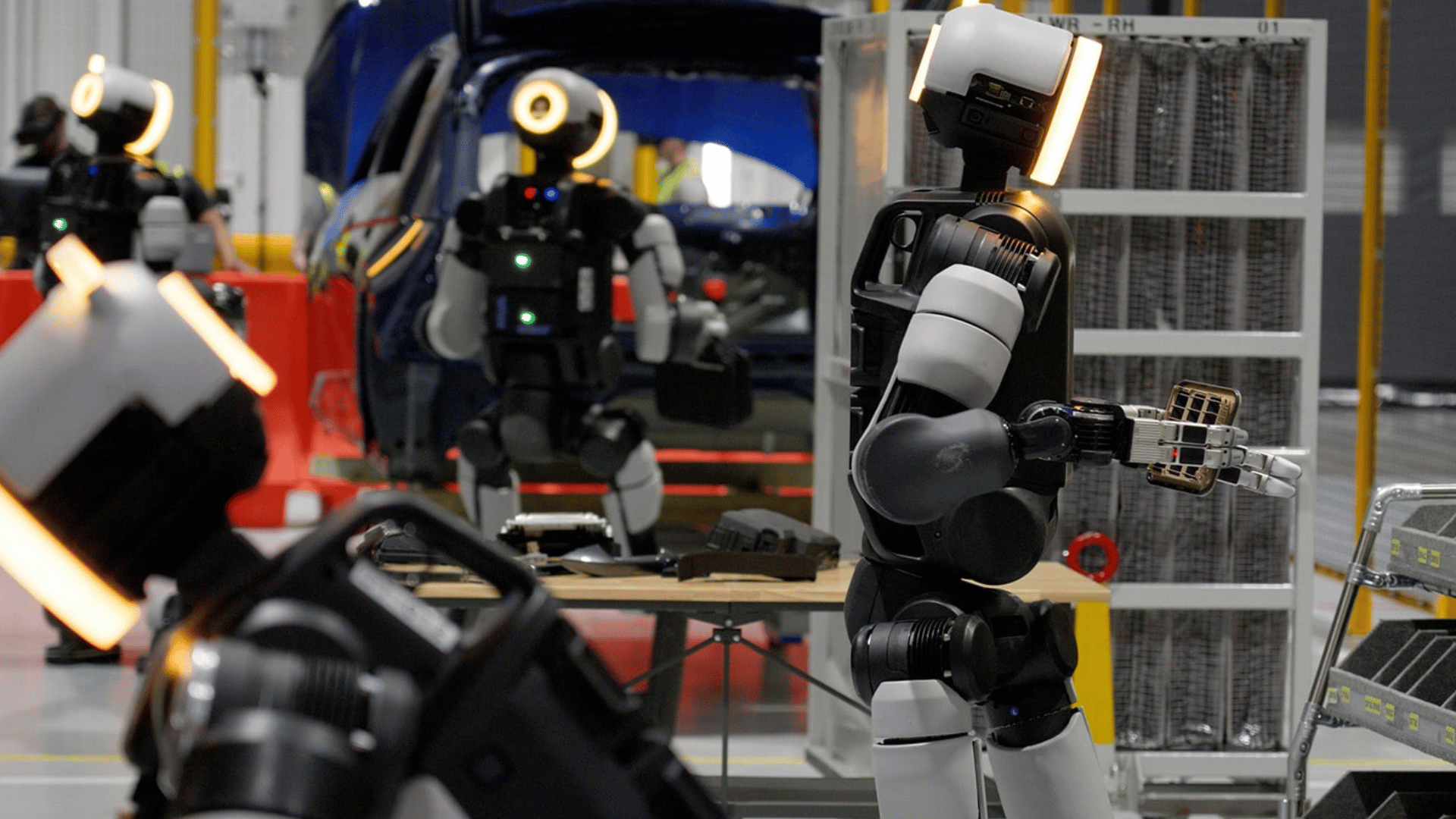
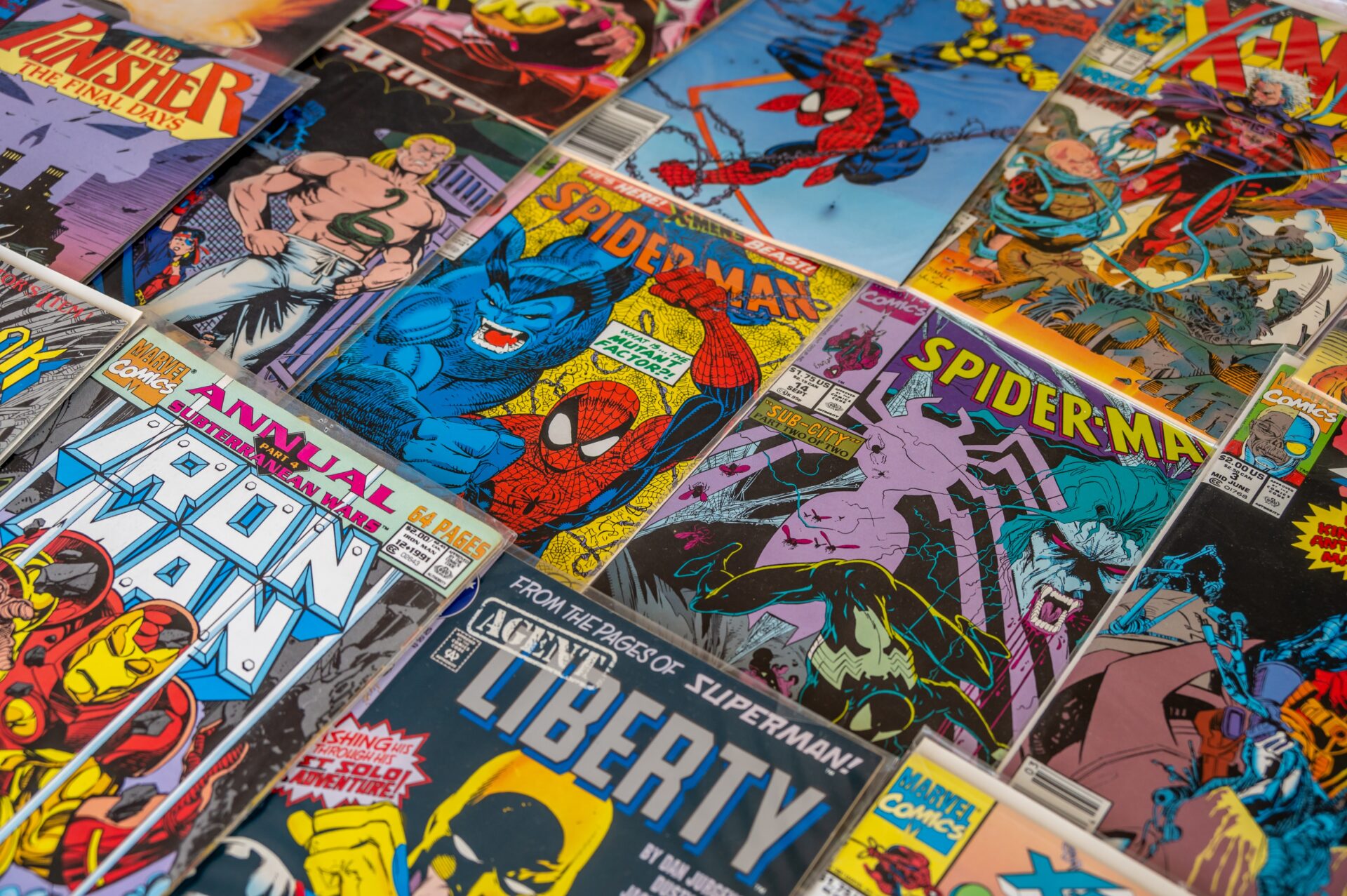
Every year, on August 14th, thousands of local shops celebrate Free Comic Book Day. Retailers give away millions of specially printed issues to introduce readers to new stories. It is a tradition that started in 2002 to bring people into brick-and-mortar stores. But behind those brightly colored pages sits a rich history of chemistry, printing, engineering, and digital tech.
The Chemistry of Classic Comic Printing
Early comic books from the 1930s were printed on cheap newsprint using a technique called the Ben-Day process. Named after illustrator Benjamin Day, this system used tiny dots of primary colors to trick the human eye. By spacing red, yellow, blue, and black dots on a page, printers created shades like pink, green, and purple without buying expensive colored inks.
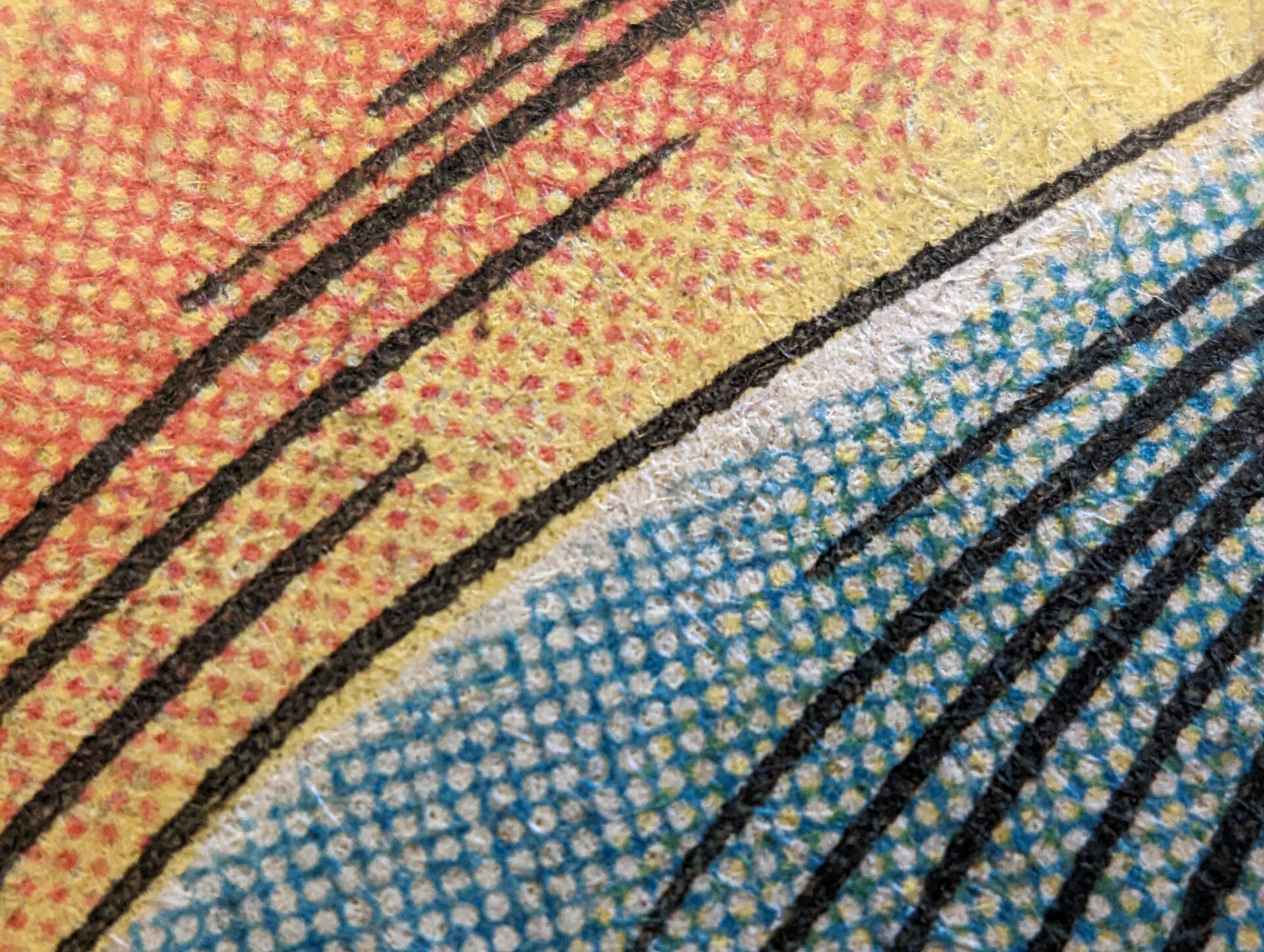
As printing technology advanced, four-color offset lithography became the standard. High-speed presses applied cyan, magenta, yellow, and key black ink—known as CMYK—onto paper at incredible speeds. The paper itself was chemically treated to absorb ink quickly so colors would not smear across pages. Vintage comics are rare collectibles, partly because old wood-pulp paper naturally breaks down over time due to acid content.
How Digital Tools are Changing the Medium
Advertisement
Creating comics today looks very different from how it did decades ago. Instead of drafting with physical ink on oversized boards, many modern artists draw directly on digital display tablets. Software tools let creators build complex layouts, adjust lighting, and fix mistakes with a single tap.
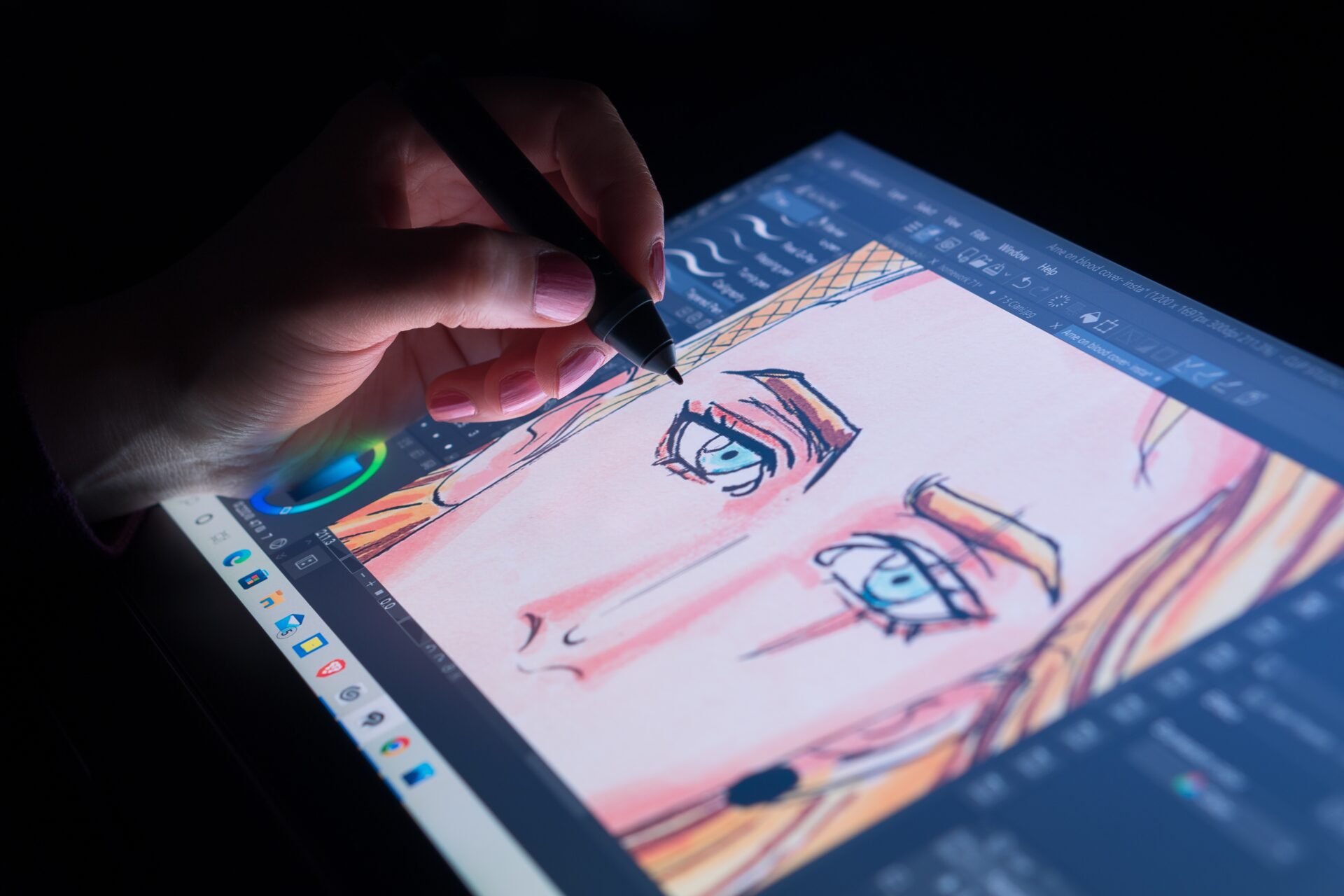
Technology has also changed how people read comics. High-resolution screens use specialized color profiles so artwork displays accurately on tablets. Digital platforms allow creators to publish self-made comics directly to readers online, bypassing massive printing costs.
For physical collectors, technology offers new ways to preserve history. Conservators use chemical deacidification treatments to stop vintage paper from crumbling. Scanning labs use ultra-high-resolution cameras to digitize fragile Golden Age comics. This process preserves historic artwork online forever, even if the original physical book deteriorates.
Why Comics Still Matter
Comics do more than tell superhero stories. They act as an accessible entry point for visual storytelling, literacy, and art history. Many creators use comic panels to explain complex science topics, from climate data to molecular biology, making hard subjects easier to understand through visuals.
So on Free Comic Book Day, head to your local shop and grab a free title. Whether you hold a fresh paper issue or scroll through a digital page on your tablet, you are holding the result of nearly a century of printing science and digital design.
 Read Exclusive Stories
 Bookmark & Save Articles For Later