There are many factors as to why some traditional arts end up endangered, sometimes even extinct, over time. Sometimes, industrialization is to blame, the loss of master practitioners, or a simple lack of interest from younger generations. Nevertheless, the arts should never die. The harsh reality is that they often do.
Let’s dive into some of the most interesting and complex traditional arts that face extinction.
Fore-edge Painting
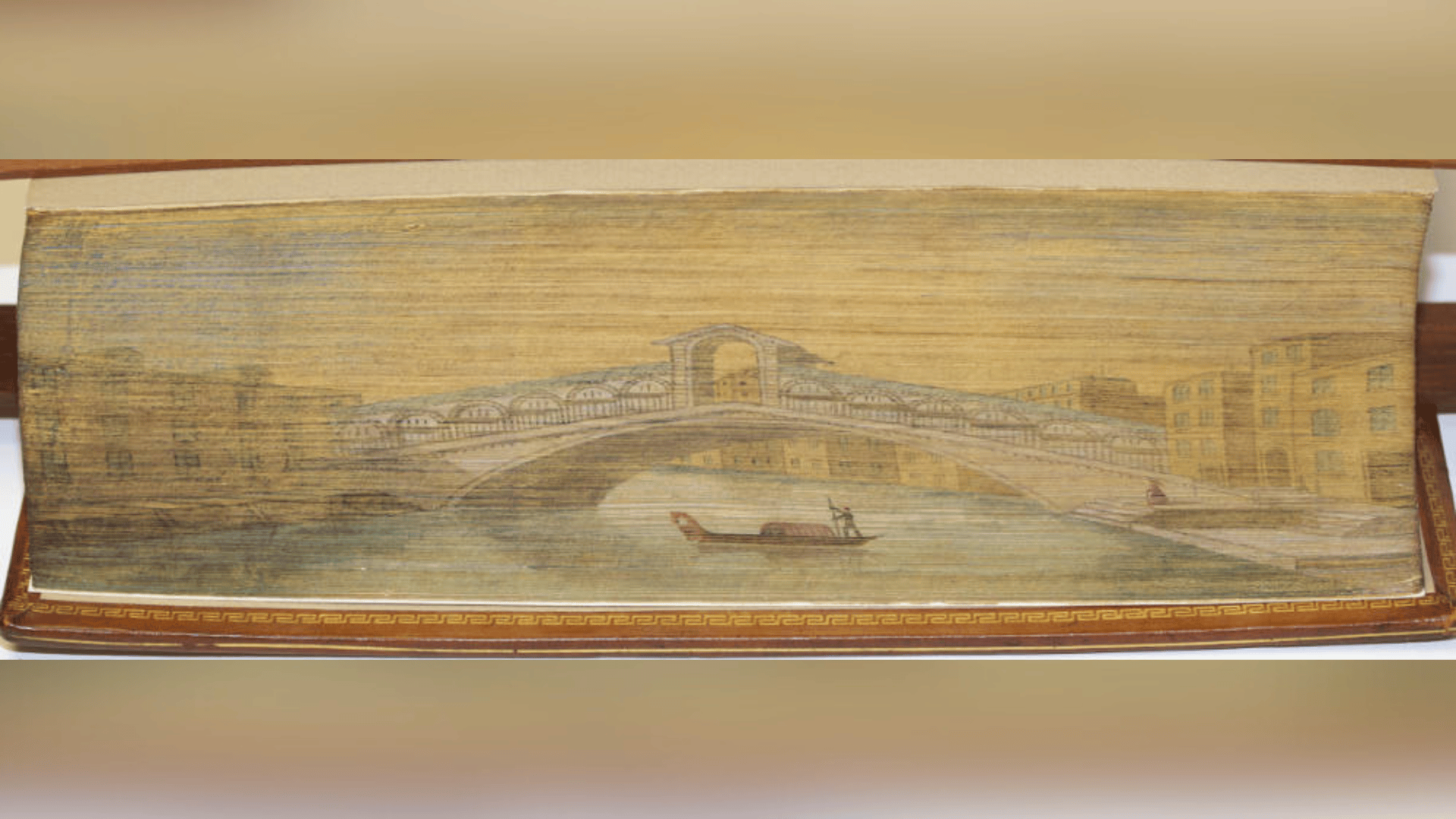
Fore-edge painting is the art of hand-painting a watercolor scene on the pages of a book. However, these paintings aren’t created on the flat surface of the page. Instead, an artist meticulously paints the edges of a page, and the scene can only be admired when those pages are fanned out. This ancient craft dates back to the 10th century in Europe.
Today, Fore Edge Frost is one of the only commercial studios left that keep this art form alive. The studio’s owner, Martin Frost, has painted thousands of book edges for over 50 years.
Thanjavur Veena Making
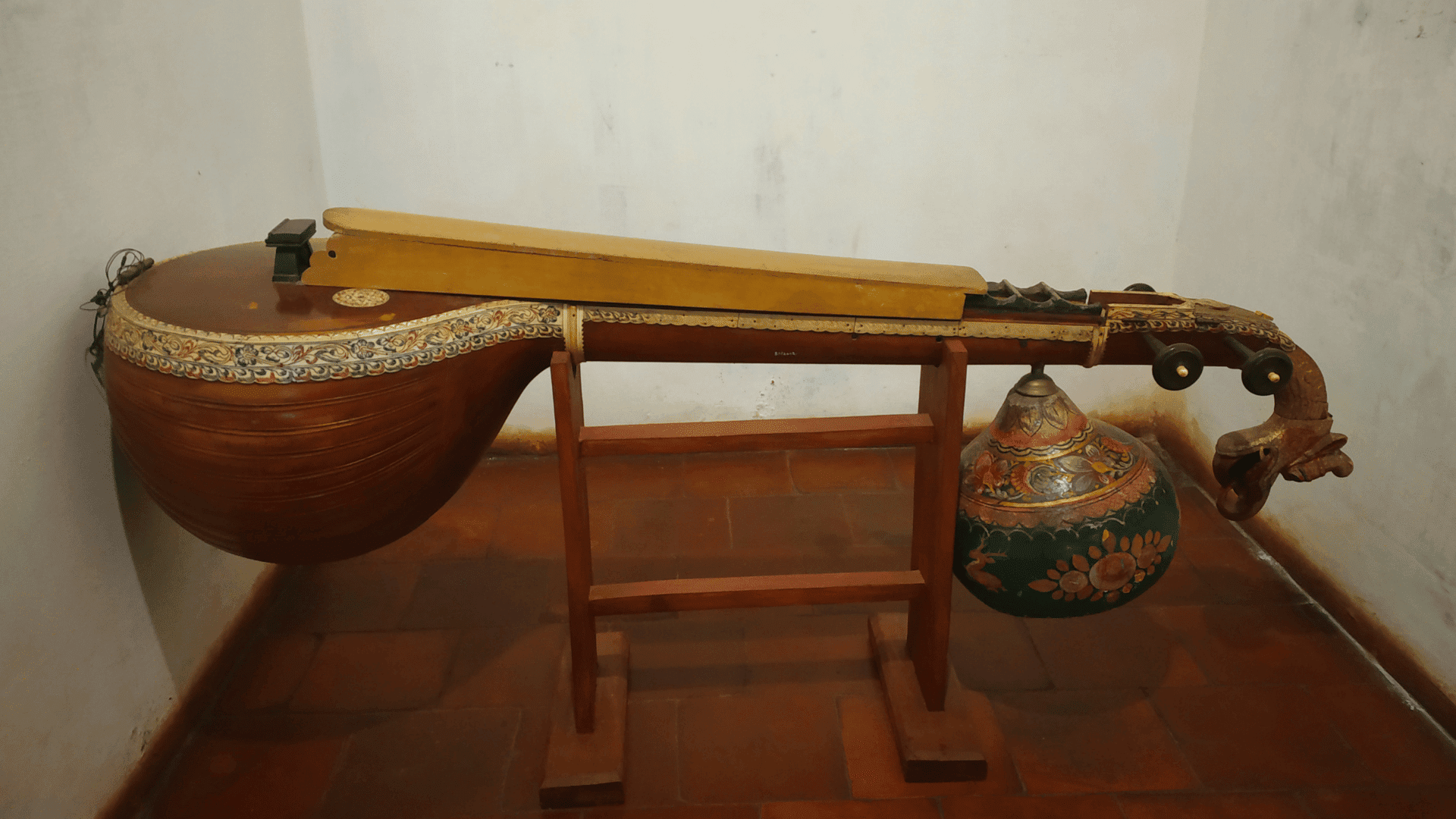
Thanjavur Veena making is an extremely complex art form that takes 20-30 days to craft a single Veena instrument. A Thanjavur Veena is a lute, a pear-shaped, plucked string instrument, made from a mature, non-fruit-bearing jackfruit tree. Adding to the complexity of this craft, the wood must be seasoned for years before an artist can perform the manual carving process.
Advertisement
Reports indicate that only about 15 families in Thanjavur, India, remain capable of carving these instruments.
Arrowsmithing
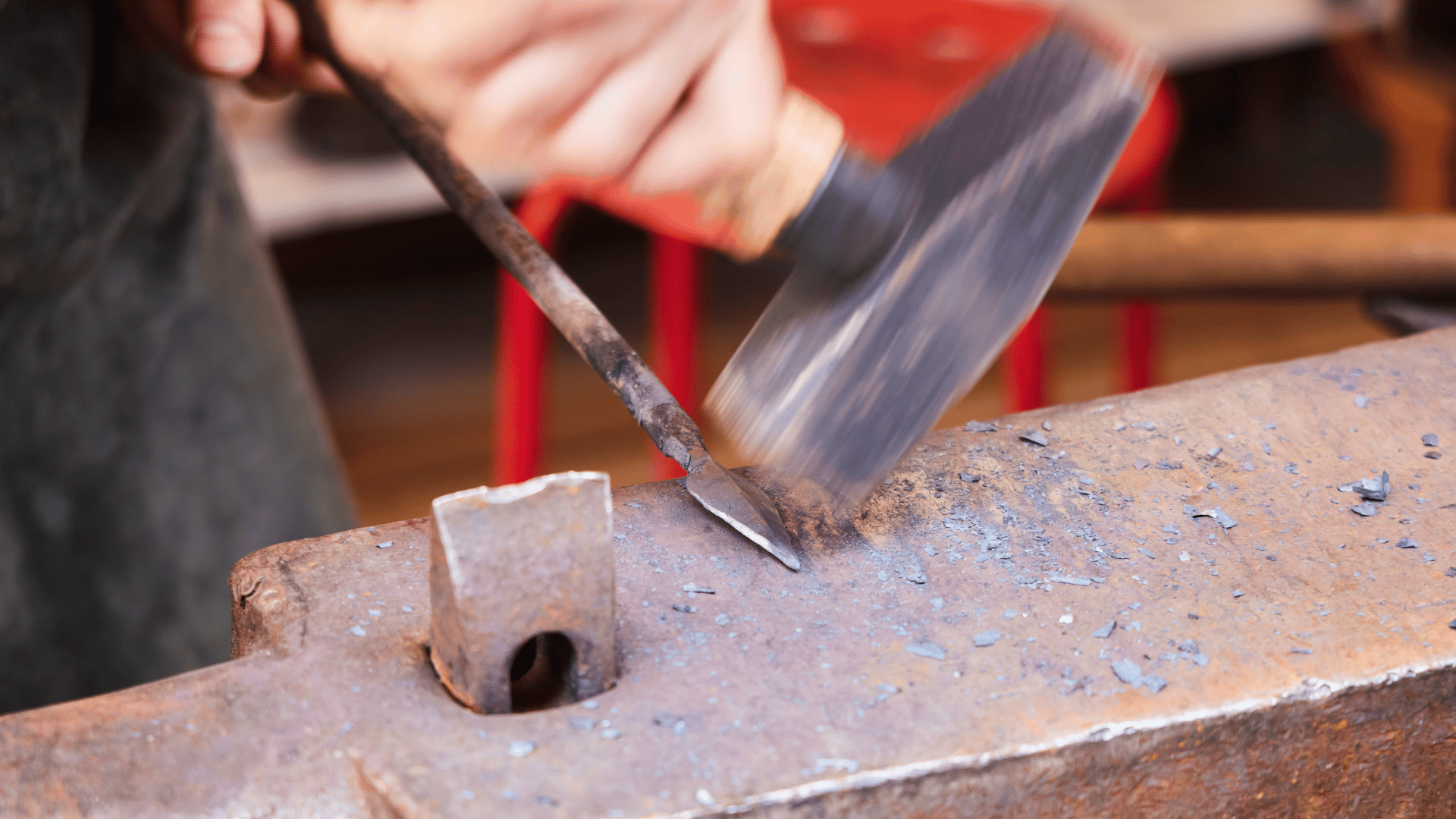
The forging of historic arrowheads in wrought iron or steel is considered critically endangered. Arrowsmithing peaked in the Medieval period, as the English war bow reached its height. However, as the bow slowly stopped being the weapon of choice, so did the art of arrowsmithing.
Forging simple bodkin arrowheads is within a good blacksmith’s capabilities. However, forging accurate, more complex arrowheads requires specific skills that are beyond general blacksmithing.
Welsh Double Cloth Weaving
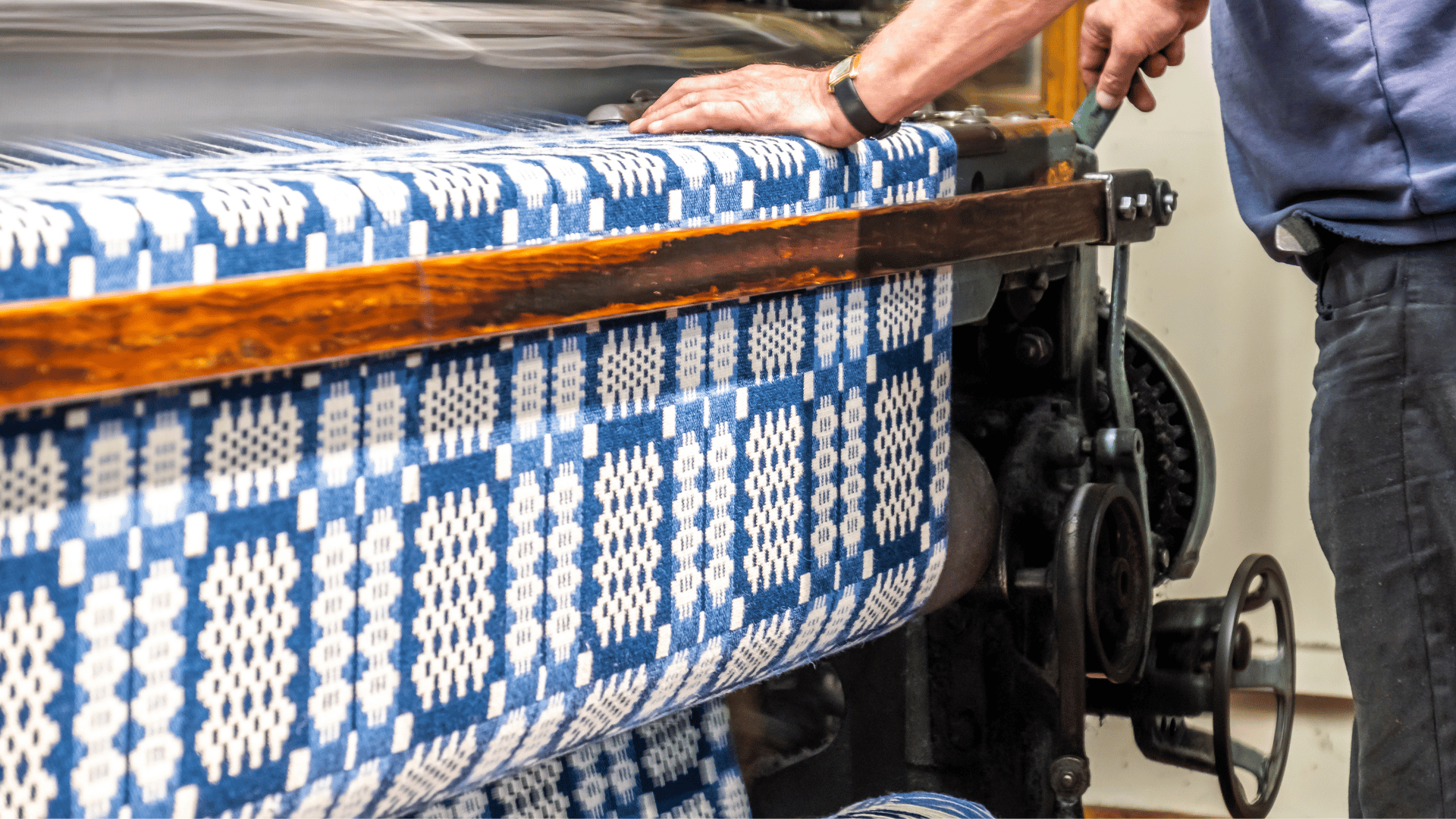
Welsh tapestry weaving is a commercial double-cloth technique used to create durable, reversible fabrics, most notably traditional Welsh blankets. The art form involves weaving two separate layers of plain weave fabric simultaneously on a loom. As a result, it creates intricate, repeating geometric patterns.
But why is it an endangered art? Like a lot of traditional arts that face extinction, there is a severe shortage of people who possess the specialized knowledge. Additionally, there is no formal training available for this craft. Commercially, there are only about 5 mills in Wales that can weave these tapestries.