A new kind of farming is taking root around the world. Farmers everywhere are finding ways to grow more food using fewer resources. As they face rising food demand, unpredictable weather, and limited land, these challenges are leading to creative new farming methods.
New ideas are changing farming. Precision farming, regenerative farming, AI, and water-saving methods help farmers grow more food while using less water and fewer resources. Many people are also talking about how to take good care of farmland for the future. This includes ideas shared by Stefan Soloviev. Learning about these changes can help farmers, landowners, and people who work in agriculture get ready for the future.
If you work in agriculture or simply want to know where farming is headed, these seven trends are worth watching.
Precision Farming Is Making Every Field Smarter
One field does not always need the same amount of water or fertilizer. Some areas need more, while others need less. Precision farming helps farmers understand these differences.
Using GPS, sensors, drones, and farm data, growers can check crop health and soil conditions before making decisions. This reduces waste and helps crops grow better.
Benefits of precision farming include:
- Better crop yields
- Less water waste
- Lower fertilizer costs
- Healthier soil
- Improved farm efficiency
This smart approach also helps farmers lower their environmental impact while improving profits.
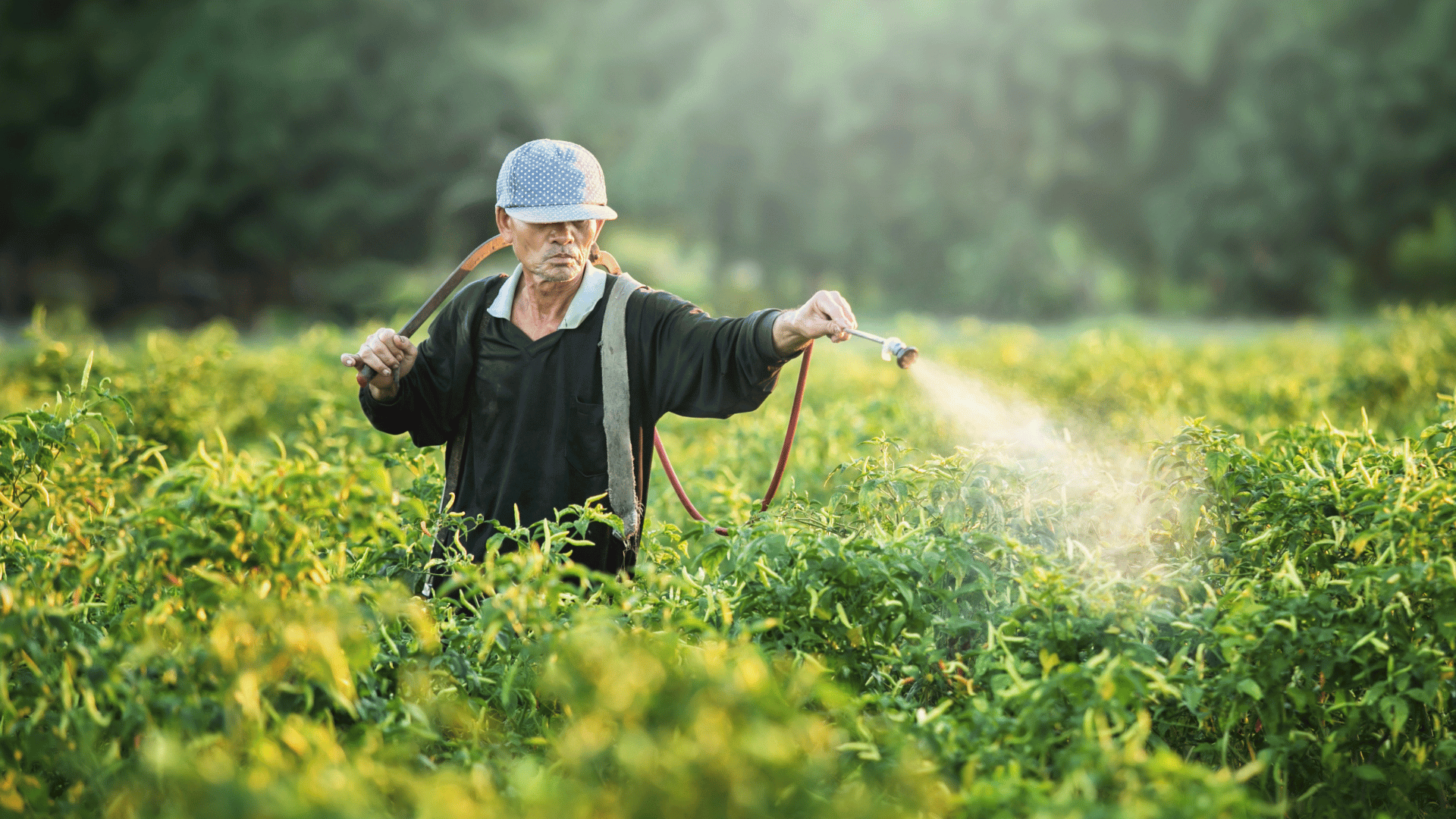
Regenerative Farming Is Bringing Soil Back to Life
Healthy soil grows healthy food. That is why regenerative agriculture is becoming more popular. Instead of only focusing on crop production, this farming method improves the land itself. Farmers plant cover crops, rotate crops, reduce tillage, and add natural organic matter back into the soil.
These practices help:
- Improve soil health
- Hold more water in the ground
- Reduce erosion
- Support insects and wildlife
- Store more carbon naturally
When the soil becomes stronger, farms become more productive for many years instead of just one growing season.
Technology Helps Farmers Make Better Decisions
Technology makes farming easier. Farmers use weather apps, smart tools, drones, and farm software to care for their crops. They do not have to guess when to water or harvest.
Some of the useful technologies are:
- Intelligent irrigation systems
- Weather tracking devices
- Farm management software
- Crop inspections using drones
- AI crop analysis
They save farmers time and money and allow farmers to respond quickly to changing weather conditions.
Vertical Farming Is Growing More Food in Less Space
Cities are getting bigger every year. At the same time, farmland is becoming harder to find. That is why vertical farming is growing in popularity.
Instead of growing crops across large fields, farmers grow them in stacked layers inside buildings or greenhouses. Special lights and climate controls help plants grow all year.
While it may not replace traditional farming, vertical farming can help feed growing cities.
Advertisement
Water Conservation Is Becoming a Top Priority
Water is very important for farming. They use drip irrigation, rainwater harvesting, and moisture sensors to save water.
These methods help farmers:
- Save water
- Lower costs
- Protect groundwater
- Grow healthy crops
- Keep farms growing during dry weather
Saving water today helps protect farms for the future.
Renewable Energy Is Powering Modern Farms
Energy costs continue to rise, so many farms are turning to renewable energy. Solar panels, wind turbines, and bioenergy systems can power irrigation pumps, barns, and farm equipment.
Farmers get help from renewable energy:
- Reduced fuel costs
- Cut carbon emissions
- Become more energy independent.
- Increase long-term sustainability
This switch is good for the environment and good for the farm’s bottom line.
Data and Artificial Intelligence Are Changing Farm Planning
Farming has always depended on experience. Today, farmers can combine that experience with artificial intelligence and farm data to make better choices.
AI tools can study weather patterns, soil conditions, and crop health. This gives farmers more time to act and avoid major losses.
Data-driven farming can assist farmers:
- Forecast crop performance
- Detect plant diseases early
- Lower the use of unneeded chemicals
- Better plan for harvest times
- Enhance long-term farm management
Technology will never replace great farmers, but it can give them better information to make better decisions.
The Future Begins in the Field
The future of farming is not a choice between tradition and technology. It’s about using them together. Farmers can cling to the knowledge passed down through generations while using new tools to meet the challenges of today.
Climate change, rising food demand, and limited natural resources mean agriculture must continue to evolve. Farms that invest in sustainable farming, smart agriculture, and soil conservation will be better prepared for the future.
Small improvements can also make a big difference. Saving water, protecting soil, using renewable energy, and making decisions based on data all help create stronger and more productive farms.
This is a sponsored post by Dlinx Outreach. All reviews and opinions expressed in this post are not based on the views and opinions of Tomorrow’s World Today.
 Read Exclusive Stories
 Bookmark & Save Articles For Later