If your car has a heads-up display, you probably notice the speed projected in front of you before you notice the glass it’s projected onto. But the windshield helps determine whether those numbers look sharp or appear doubled. The same piece of glass can help quiet the cabin and give the camera behind your rearview mirror a clear view of the road.
On the Tomorrow’s World Today Podcast, George Davison sits down with Ramzi Hermiz, CEO of Carlex Glass America, to talk about how windshields are made, what they already do for drivers, and what car windows could do next.
How Carlex Makes a Windshield
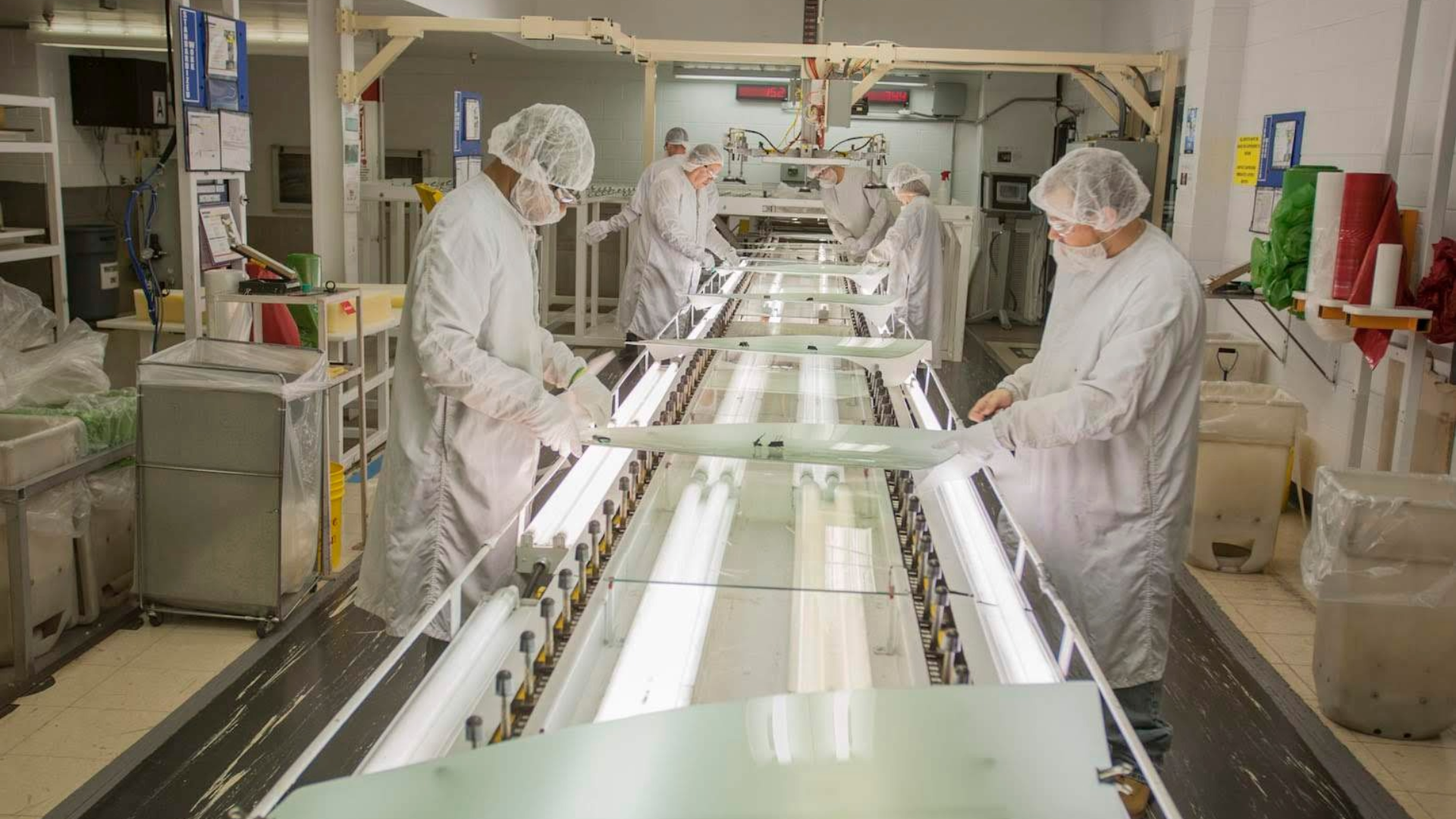
At Carlex’s Nashville plant, it starts with sand. The sand is mixed with other raw materials and heated to about 2,700°F. The molten glass floats on a bed of tin and forms a continuous ribbon, hence the name “float glass”. Hermiz says the line stretches about a quarter mile and is built to run for years without stopping.
Once the glass cools, it can be cut, ground, bent, and laminated. Carlex handles those steps at the same Nashville site where it makes the glass.
What Your Windshield Does While You Drive
A windshield has to meet different demands at the same time. The glass needs to be clear enough for the camera used by features like lane departure warnings. Its shape and optics also affect how clearly you see a heads-up display, and a layer between the sheets of glass can help reduce road noise.
Advertisement
Those details also come up when a windshield needs to be replaced. Hermiz explains how automakers design the original glass around features specific to each vehicle, including the camera mount, the display, and the cabin acoustics, making the use of OEM glass especially important should you need to replace your windshield.
What Could Automotive Glass Do Next?
Hermiz describes roof glass that can switch from clear to dark, windshields that could display augmented reality, and solar roof glass that could help power an electric vehicle’s systems.
Getting an idea onto a production line takes years. Hermiz says Carlex tests prototypes early and tracks details like oven temperatures and tooling. Engineers can look back at how a piece of glass was made and use that data to reduce waste and make the next batch more consistent.
Watch ‘Clearly Visionary’ on Tomorrow’s World Today!
Tune in on Saturday, November 21st, at 10 am/ET on the Science Channel and Sunday, November 22nd, at 8:30 am on the Discovery Channel.
Plus, stream the episode on our YouTube Channel starting on November 22nd, 2026
 Read Exclusive Stories
 Bookmark & Save Articles For Later