Most modern cancer drugs try to stop tumors by blocking a single target or pathway. Researchers want to find a different, more effective method.
Scientists at the University of Michigan Health Rogel Cancer Center developed a technique that glues two problematic proteins together rather than trying to knock them down one by one. In laboratory tests, this method killed prostate cancer cells better than standard combinations while leaving healthy cells alone.
Connecting Cancer-Driving Proteins
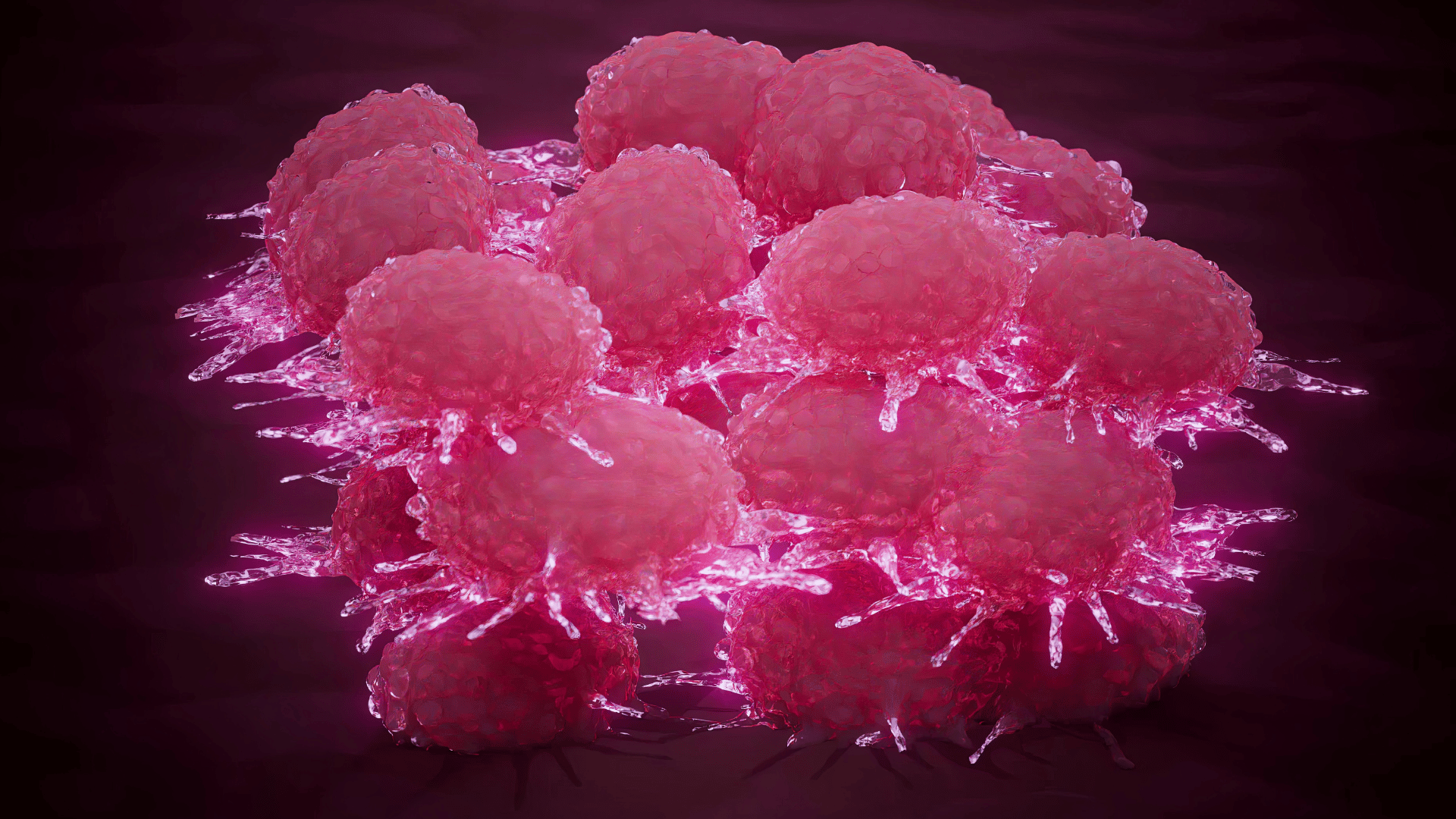
The technique focuses on two proteins that team up to drive prostate cancer growth: the androgen receptor, or AR, and a helper protein called p300. The scientists built a custom small molecule to connect them called DALTAC, which stands for domain-alteration chimeras.
“Our molecule acts like a molecular brace, connecting these two cancer-driving proteins in an abnormal configuration that traps them in an inactive state,” said senior study author Arul M. Chinnaiyan, MD, PhD, director of the Michigan Center for Translational Pathology and S.P. Hicks Professor of Pathology at Michigan Medicine. “This shuts down two oncogenic signaling pathways simultaneously, enabling highly effective killing of tumor cells while sparing normal cells. Our preclinical findings suggest that this approach could offer a more effective treatment strategy for prostate cancer.”
The project joined Chinnaiyan’s biology lab with a drug discovery team led by Shaomeng Wang, PhD, director of the Michigan Center for Therapeutic Innovation.
Advertisement
“Our molecules consist of two inhibitors joined by a carefully designed short linker. By gluing two cancer-driving proteins together, they alter the proteins’ natural interactions,” Wang said. “Our optimized molecule is approximately 1,000 times more potent in tumor cells than the combination of inhibitors targeting these proteins separately, while sparing normal cells that lack these interactions. We also optimized the molecules for oral bioavailability, a key step toward developing a pill for patients.”
Moving Beyond Preclinical Trials
The team tested the design in cell lines, human-derived organoids, and mouse models. The molecules worked on tumors that resisted standard options, producing durable responses without harming normal cells.
“These are remarkable preclinical results,” Chinnaiyan said. “The durable responses suggest an opportunity to develop a more effective treatment for advanced prostate cancer, including castration-resistant prostate cancer, if these findings translate to patients.”
The research is still at the preclinical stage.
“Our teams are working closely to identify a drug candidate suitable for testing in human clinical trials,” Wang said.
 Read Exclusive Stories
 Bookmark & Save Articles For Later