At low tide along the Delaware Bay, water drains from the marsh channels, leaving stretches of mud exposed. That’s when shorebirds can get to the small animals buried just beneath the surface. A few hours later, water covers the same feeding ground, and the birds have to look elsewhere.
At Bombay Hook National Wildlife Refuge near Smyrna, Delaware, that daily shift is part of a much longer story. The refuge sits along the Atlantic Flyway, a migration route used by birds moving along the eastern side of North America. For many of those birds, a stop on Delaware Bay means a chance to rest and eat before the next stretch of the trip.
What Low Tide Leaves Behind
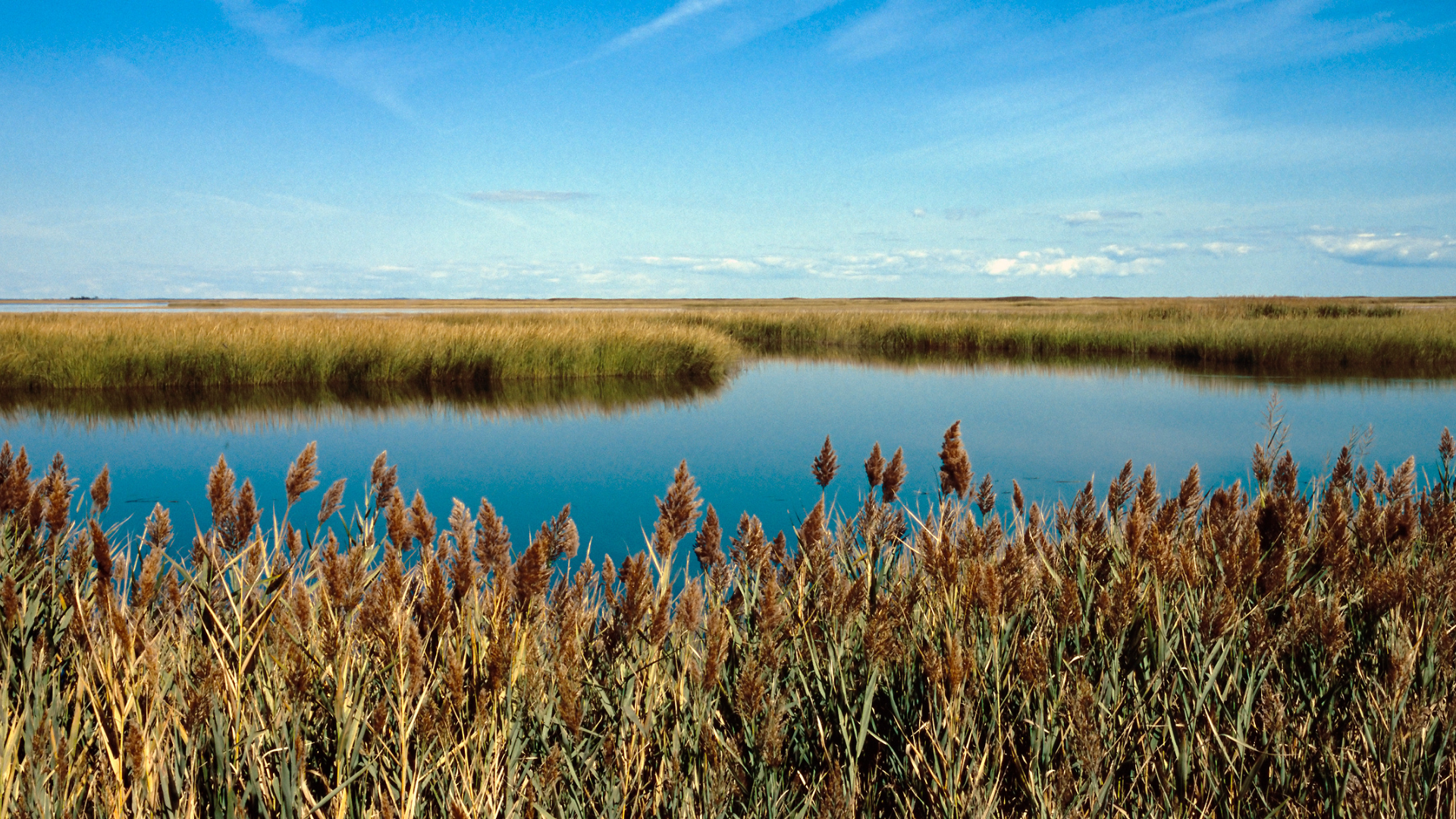
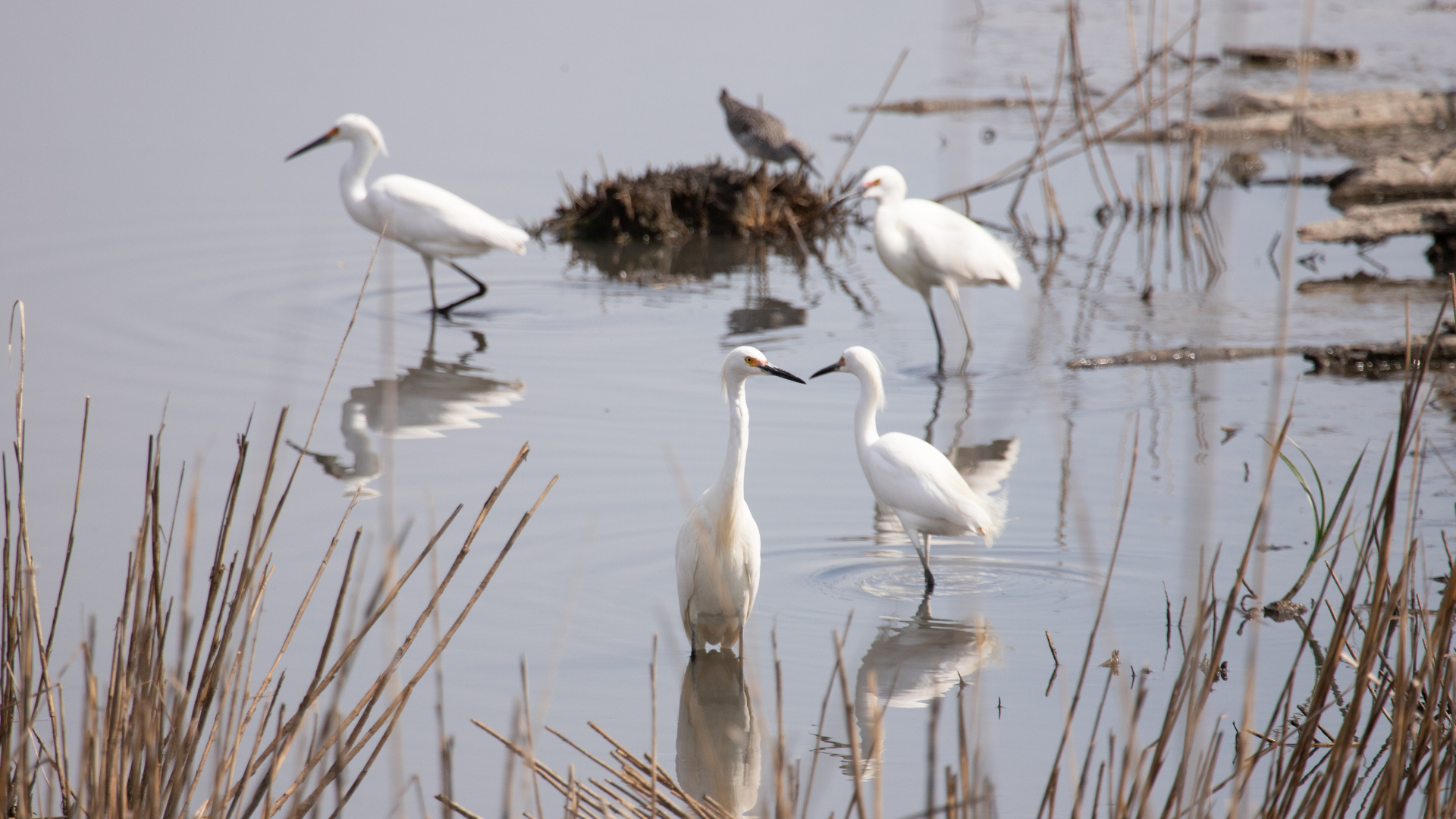
The refuge’s tidal salt marsh is threaded with channels that carry water in and out. As the tide falls, it exposes soft mud where worms, small crustaceans, and other animals live. Shorebirds walk the water’s edge and probe the mud with their bills. A stretch of shoreline that looked quiet at high tide can become a feeding spot once the water pulls back.
Advertisement
For a bird on migration, the timing matters. The mudflat can be full of food, but it’s only useful while the bird can reach it. As the tide comes back in, shorebirds may move along the shrinking edge or gather on higher ground to wait for the water to drop again.
What Changes in the Fall
The birds using Bombay Hook change with the season. In fall, southbound shorebirds pass through the Delaware Bay area, and migrating ducks and geese also use the refuge. Some spend time in the managed freshwater pools, which give visitors a different view of the wetlands than the tidal marsh does.
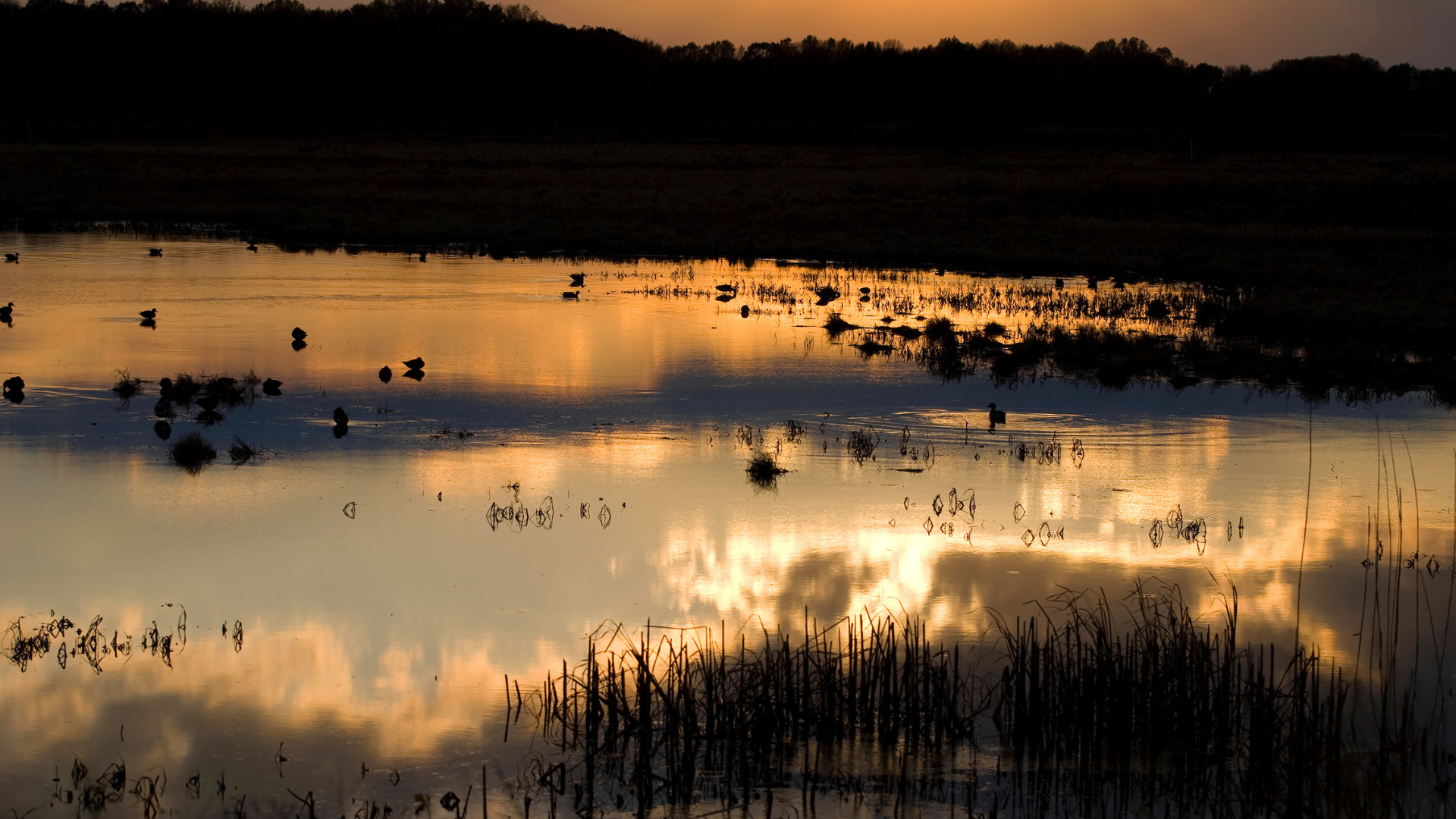
Bombay Hook’s wildlife drive passes both kinds of habitat. At one stop, you might see shorebirds scattered across an exposed flat. Farther along, you might find ducks on open water. Stop at the same overlook later in the day, and the waterline may have moved enough to change where the birds are feeding.
That’s part of what makes Bombay Hook worth a closer look. The tide changes where birds can find food within a single afternoon. Migration changes which birds are there to find it.
 Read Exclusive Stories
 Bookmark & Save Articles For Later