When doctors check your blood pressure, they get a single snapshot. However, our bodies change regularly. Wearable technology, paired with artificial intelligence, could change that. New technology might be able to spot severe blood pressure spikes three days before they happen.
According to preliminary research presented at the American Heart Association’s Scientific Sessions 2026, an artificial intelligence tool successfully warned doctors of an approaching hypertensive crisis up to three days in advance.
A hypertensive crisis happens when blood pressure surges above 180/120 mm Hg alongside organ damage, putting people at risk for heart attacks and strokes. Nearly half of U.S. adults live with high blood pressure, making early warnings a remarkable step forward.
“Everyone’s blood pressure changes throughout the day and night, and a single reading only captures one moment in time,” said Waleed Razzaq Chaudhry, M.D., lead study author and an internal medicine resident at the University of Maryland Capital Region Medical Center in Largo, Maryland. “By continuously tracking blood pressure and identifying patterns, we found that AI analysis of blood pressure may be a valuable addition to help identify early warning signs of dangerously high blood pressure.”
Blood Pressure Detection Wearable
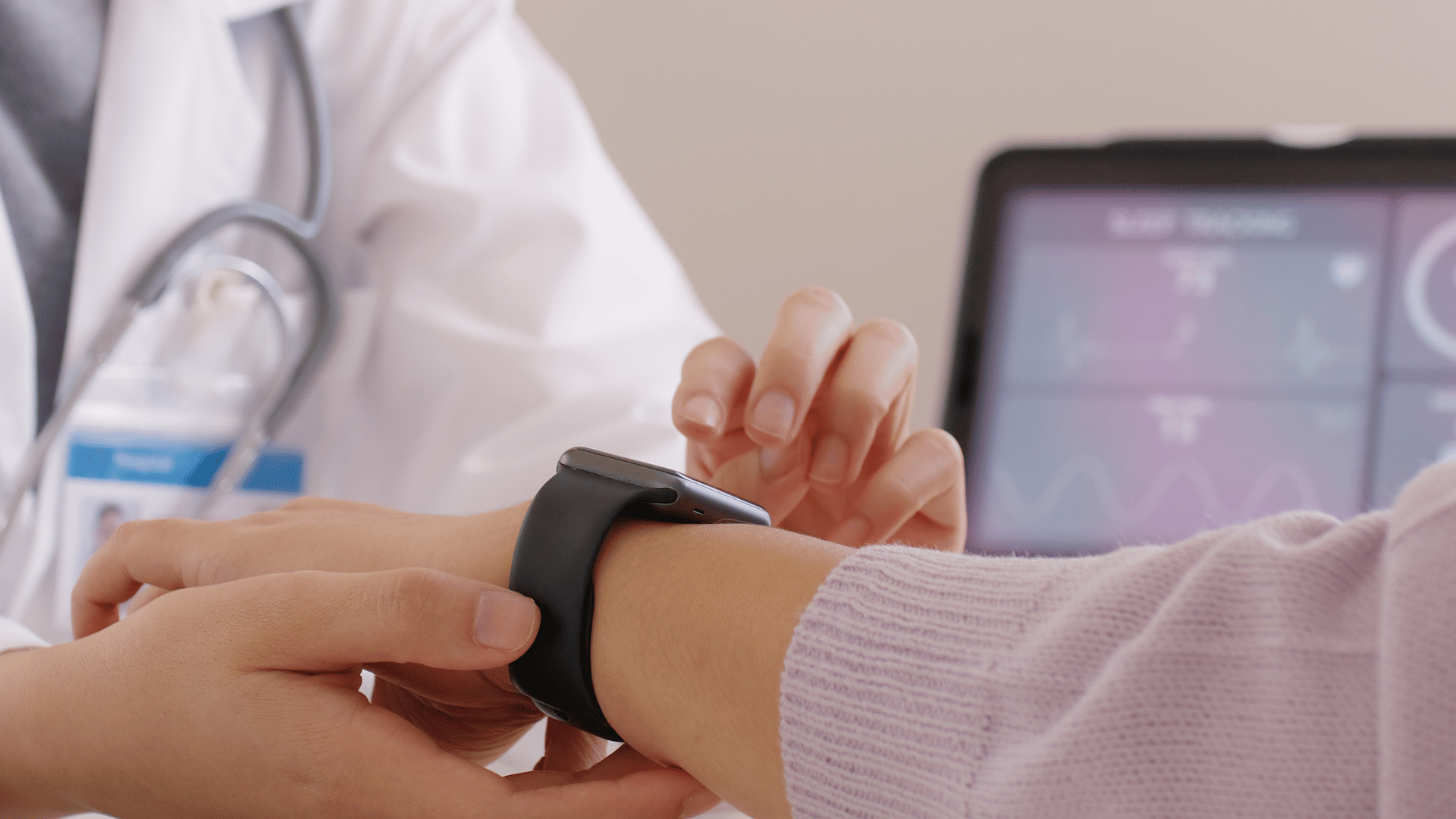
The study followed 4,190 adults with stage 2 high blood pressure in Pakistan for a year. Participants wore a portable cuff monitor and a wrist fitness tracker with light-based sensors. The AI analyzed 47 different factors, like heart rate changes and day-and-night pressure trends.
Advertisement
Two major red flags stood out. First, people whose blood pressure failed to drop during sleep faced nearly five times the odds of a crisis. Second, waking up to a sharp jump of over 35 mm Hg quadrupled the risk.
When the system flagged an alert and doctors adjusted medications within 24 hours, hypertensive crises dropped by about 61%, and emergency room visits fell by roughly 45%.
“These findings suggest that continuous blood pressure monitoring can help detect these blood pressure changes earlier, which may give patients and healthcare professionals more time to act before it turns into an emergency,” Chaudhry said. “If we are able to recognize an increased risk of a hypertensive crisis days before it occurs, we have an opportunity to provide earlier care to help reduce the risk of the serious complications that can occur with a hypertensive crisis.”
The Future of Smartwatches
All participants came from a single hospital in Pakistan. Before the technology is integrated into smartwatches researchers must test the tech across broader groups. The American Heart Association also points out that wrist devices are less reliable than traditional upper-arm cuffs, and findings remain preliminary until fully published.
“For decades, hypertension management has relied heavily on blood pressure measurements captured at a single point in time, yet many patients have no warning symptoms before a serious complication develops,” said Maria Delgado-Lelievre, M.D., a distinguished Hypertension Specialist at the University of Miami Leonard M. Miller School of Medicine and a member of the American Heart Association’s National Hispanic Latino Cardiovascular Collaborative leadership team. “As technology continues to evolve, tools that provide greater insight into blood pressure patterns between office visits may help support more personalized care and encourage earlier discussions about treatment, healthy lifestyle changes and medication adherence.”
Delgado-Lelievre concluded, “Studies like this highlight the growing potential for digital health technologies to complement, not replace, clinical decision-making when caring for people with hypertension.”
 Read Exclusive Stories
 Bookmark & Save Articles For Later