Shipping goods around the world consumes a massive amount of fuel. That means the transportation industry leaves a heavy environmental footprint. But companies are figuring out ways to change that right now, not decades from now.
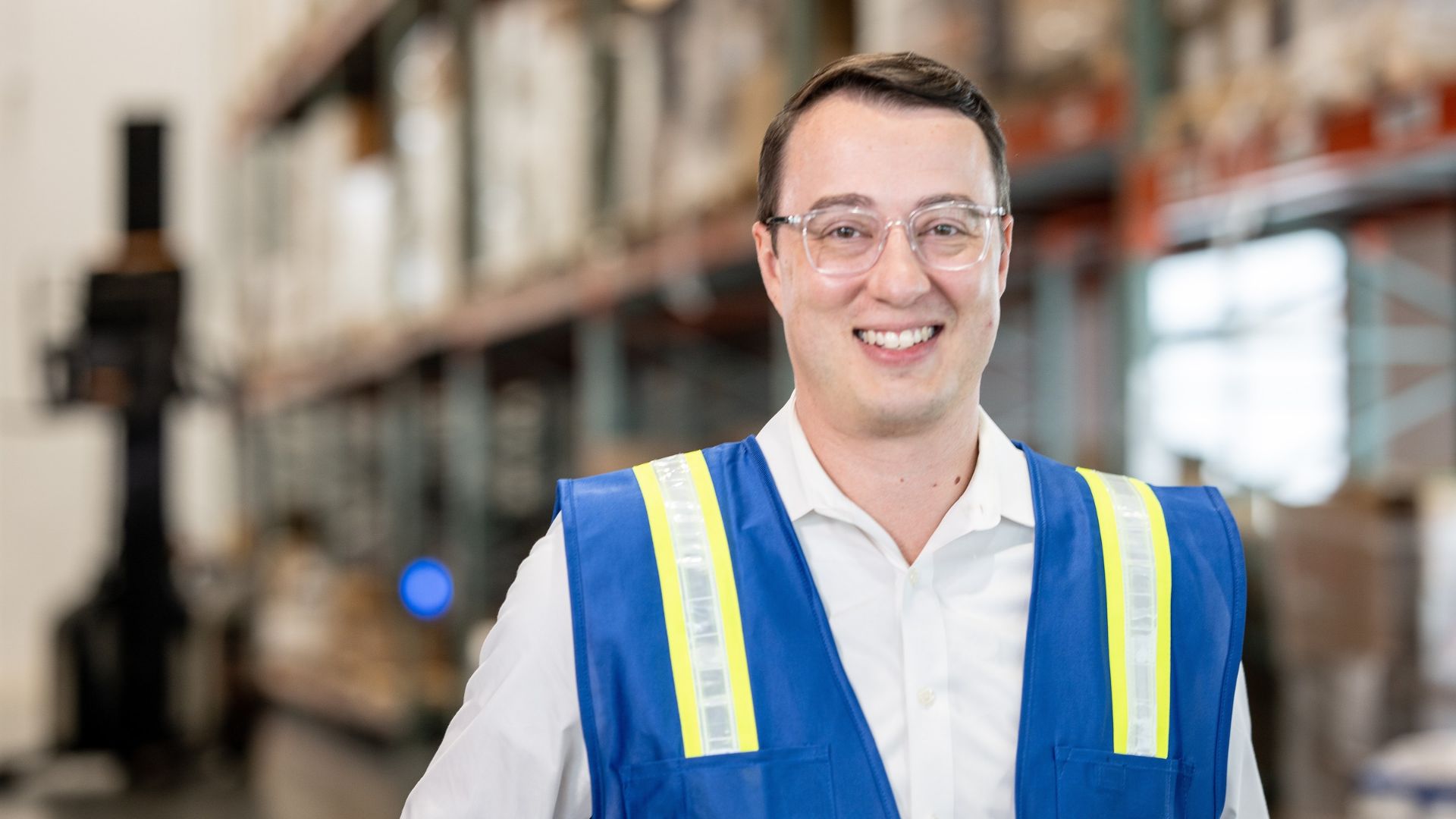
Dr. Fabiano Piccinno leads air logistics sustainability at Kuehne+Nagel. He sat down to talk about how his team cuts emissions across global supply chains. The work starts with everyday alternative fuels.
“Imagine you can use a feedstock such as food waste,” Fabiano explains. “So, use cooking oil. You fry your French fries. Instead of throwing away the oil after that, we collect it, process it, and put it into today’s aircraft, and it flies.”
Using old cooking oil may sound simple, but it still works today. Planes can fly on it immediately, which significantly reduces carbon emissions. Beyond the skies, Kuehne+Nagel uses electric trucks for ground deliveries wherever technically feasible. They also carefully select the best carriers and routes to minimize fuel use.
Making shipping green takes more than one company. It requires an entire network of fuel suppliers and carriers working together. Fabiano points to partnerships as a key piece of the puzzle. They are not just looking at today’s technology. They are testing what comes next.
Two key partnerships stand out for future tech. One is with Natilus, a manufacturer building a brand new type of aircraft. These planes feature a blended-wing-body shape that can carry more cargo and burns much less fuel. They are also built to handle future propulsion technologies, such as hydrogen.
The other partnership is with Synhelion (clean-tech company). They make Sustainable Aviation Fuel (SAF) from waste materials like methane and CO2. They use concentrated sunlight to create a new kind of fuel that works in standard aircraft. This approach opens the door to massive scalability.
Transportation is about more than just the planes and trucks moving down the line. Packaging plays a huge role in the environmental toll of shipping. Warehouses and cargo hubs generate tons of waste if they rely on single-use materials.
Advertisement
“Sometimes we forget that transportation is not only about the transportation, but also the fuel consumption,” Fabiano notes. “Also, there’s a lot of packaging that comes with it.”
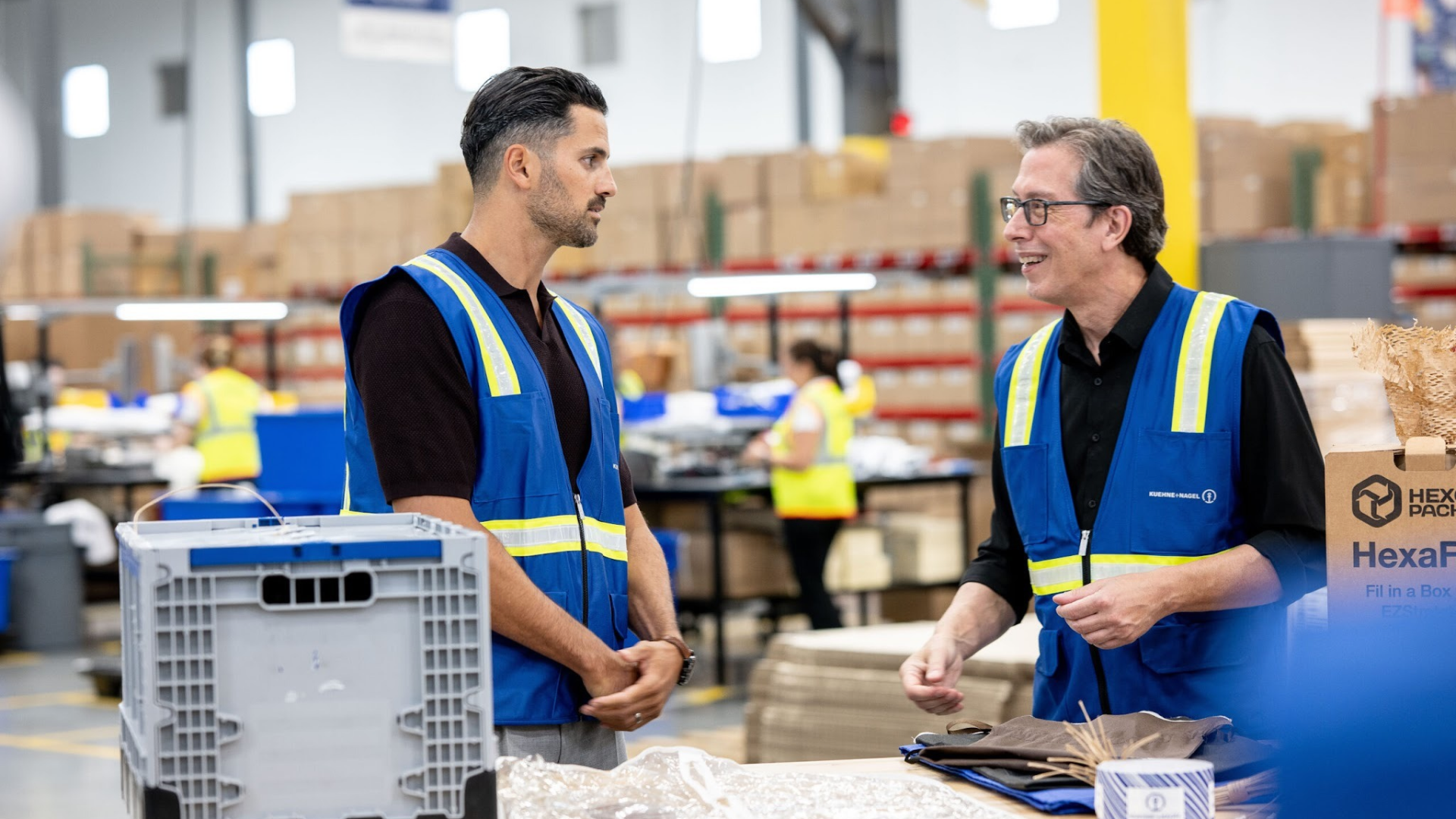
To fix this, Kuehne+Nagel aims to reduce overall material use. In some cases, they swap single-use plastics for paper and bio-based alternatives. They also use durable bags and boxes that are used over and over instead of being tossed in the trash after a single trip.
Solving environmental challenges in global shipping is tough work. But practical steps like recycled cooking oil, advanced aircraft designs, and smarter packaging prove that real progress is already happening.
Watch ‘Logistics in Motion’ on Tomorrow’s World Today!
Tune in on Saturday, October 31st at 10am/ET on the Science Channel and Sunday, November 1st at 8:30am on the Discovery Channel.
Plus, stream the episode on our YouTube Channel starting on November 2, 2026
 Read Exclusive Stories
 Bookmark & Save Articles For Later