Household dust is rarely just dirt. It’s typically a blend of skin flakes, fabric fibers, soil, pollen, pet dander, and dust-mite debris that settles on surfaces and drifts through indoor air. For people with allergies or asthma, this mix can trigger irritation or flare-ups. Cutting down on dust isn’t about finding one magic product—it comes from combining steady cleaning habits, humidity control, decent ventilation, and the right tools for the job. Some households rely on a robot vacuum to keep floors more consistently maintained between deeper cleaning sessions, though it’s really just one piece of a larger strategy rather than a fix on its own.
What Household Dust Contains
Common sources of indoor dust
Dust builds up from both indoor and outdoor sources: shed skin cells, textile fibers, soil tracked in on shoes, pollen drifting through open windows, pet dander, and remnants left behind by dust mites. Bedrooms, living rooms, and entryways tend to accumulate dust faster, particularly where carpeting and upholstered furniture give particles somewhere to settle. It helps to distinguish between the visible dust that collects on shelves and the finer particles small enough to stay airborne for long stretches.
Why some people are more sensitive
Dust-mite matter, pollen, and pet dander rank among the most common allergy and asthma triggers. According to the U.S. Environmental Protection Agency and the American Lung Association, cutting exposure to these particles may ease symptoms for sensitive individuals, but it won’t eliminate every allergen or replace medical guidance. Cleaning is a management tool, not a cure.
Build a Cleaning Routine That Removes Rather Than Redistributes Dust
Use methods that trap dust
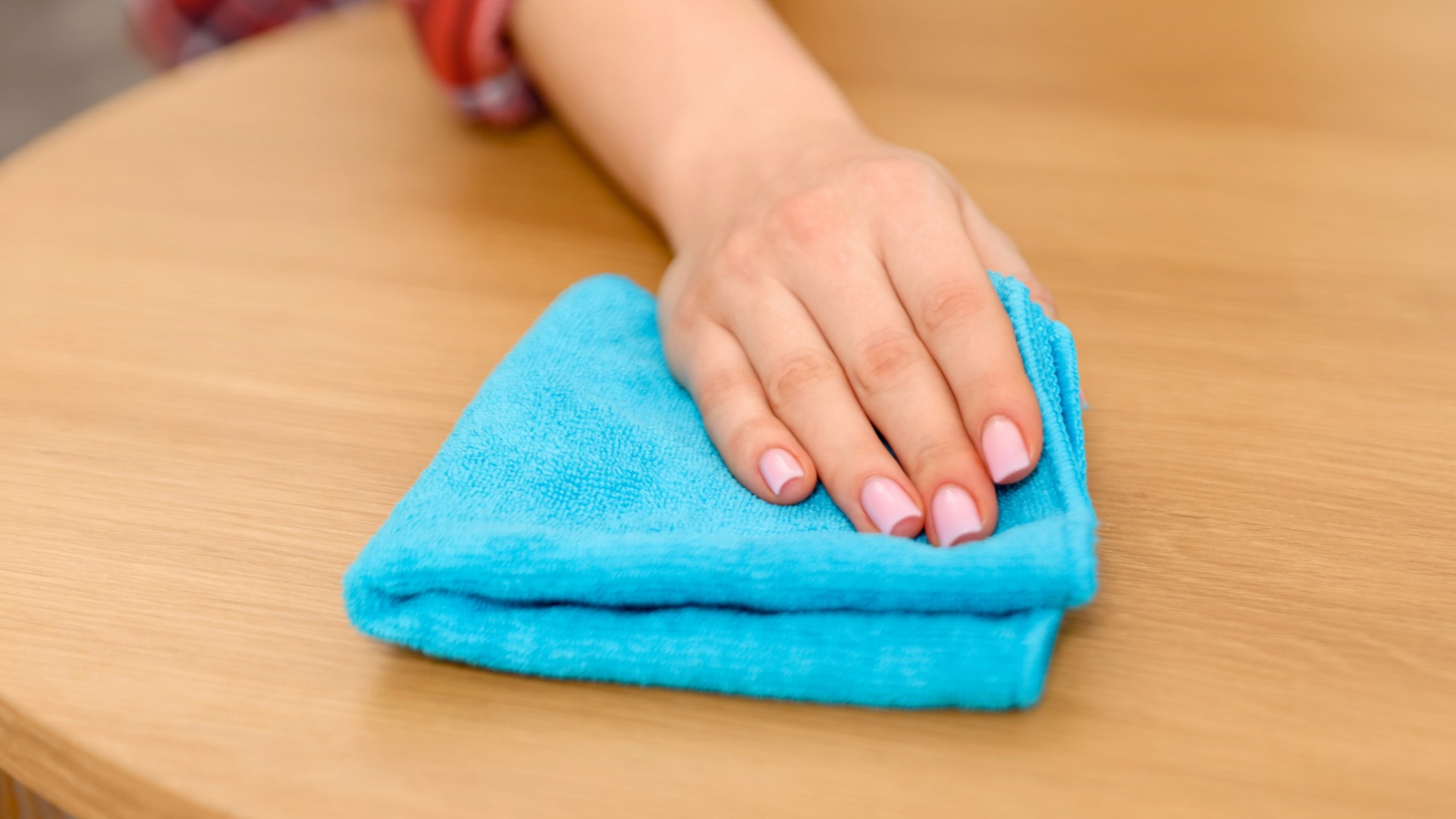
Dry dusting often does little more than stir particles into the air rather than actually removing them. Damp microfiber cloths, damp mops, and similar tools tend to work better at capturing dust instead of just scattering it around. Pay attention to the spots that get overlooked: baseboards, window blinds, shelves, ceiling fans, under furniture, and upholstery.
Clean from higher surfaces downward
Since dust settles downward, cleaning elevated surfaces first means any displaced particles can be swept up from the floor afterward. Working through one room at a time, rather than bouncing between spaces, also helps keep you from redistributing dust you’ve already cleared away.
Key takeaway: Choose cleaning methods that capture dust, and clean elevated surfaces before floors.
Vacuuming: How to Make It More Effective
Choose equipment based on the home
Look for features that actually suit your space: appropriate filtration, a well-sealed airflow path, attachments matched to your floor types, and reasonably easy maintenance. A high-efficiency filter can help limit how much collected dust escapes back into the room, but performance ultimately depends on the whole machine—and how well it’s maintained—not the filter alone. Hard floors, low-pile carpets, thick carpets, stairs, and upholstery often call for different tools or attachments.
Establish a realistic schedule
There’s no one-size-fits-all schedule here—frequency should reflect your own household’s conditions. Homes with pets, kids, heavy foot traffic, or a lot of carpeting may need more frequent floor cleaning. A robot vacuum can help keep things more consistently maintained between manual cleanings, but it doesn’t replace attention to stairs, upholstery, edges, high surfaces, or spills—areas automated devices typically can’t handle.
Reduce exposure during cleaning
Vacuuming can temporarily kick up dust and allergens into the air. Allergy-sensitive individuals may want to step out of the room while cleaning, when that’s an option, and ventilate the space afterward. Sticking to manufacturer instructions for filter replacement and dust-bin handling also helps keep performance where it should be.
Control Dust Mites Through Humidity and Fabric Care
Manage indoor moisture
Dust mites thrive in warm, humid conditions. Keeping indoor humidity below roughly 50% where feasible—whether through ventilation, air conditioning, or dehumidifiers—can make your home a less welcoming environment for them. That said, these targets should be weighed against local climate, building conditions, and what’s actually comfortable for the people living there.
Advertisement
Wash and protect bedding
Washing sheets, blankets, and other washable fabrics on a regular basis helps cut down on accumulated dust-mite matter. Allergen-resistant covers for mattresses and pillows can offer an extra layer of protection. Bedrooms deserve particular attention, since bedding, mattresses, and carpeting tend to collect a significant share of a home’s dust and skin particles. Reducing clutter and opting for washable or enclosed storage for soft toys can help as well.
Bedroom checklist: bedding washed regularly, humidity monitored, flooring vacuumed, clutter minimized, and the room ventilated periodically.
Handle Pets, Carpets, and Entryway Dust
Reduce tracked-in particles
Doormats at entrances, cleaned regularly, help catch outdoor soil and pollen before it spreads through the house. Removing shoes indoors, where practical, cuts down further on what gets tracked in.
Manage pet-related dust
Washing pet bedding according to care instructions, grooming pets in a suitable space, and vacuuming the areas where they tend to rest all make a difference. Dander can still cling to upholstery and fabrics even with regular grooming, though.
Consider flooring and furnishings
Carpets and upholstered furniture tend to hold onto dust and allergens more than hard surfaces do, but that doesn’t automatically make hard flooring the better choice for every household—maintenance routines, comfort, and practical needs all factor in. Washable covers and simpler, less cluttered furnishings can make cleaning easier across the board.
Common Dust-Cleaning Mistakes to Avoid
- Dry dusting that simply redistributes particles
- Ignoring filters, brushes, rollers, or dust bins
- Cleaning visible floors while skipping edges and furnishings
- Overusing chemical cleaners when mechanical cleaning would suffice
- Expecting an automated device to handle every dust reservoir
- Treating a cleaner home as a substitute for medical advice when symptoms persist
- Making unsupported claims about an “allergen-free” home
How to Create a Practical Weekly Plan
Rather than locking into a rigid schedule, it helps to adapt cleaning to your household’s own patterns. High-traffic floors may need attention several times a week, while bedrooms and upholstery can follow a more relaxed rotation, with extra care given where allergy-sensitive occupants are involved. High surfaces and baseboards should be cleaned periodically before floors, bedding washed according to care labels, and equipment inspected per manufacturer guidance.
Take a pet-owning household that places mats at every entrance, washes bedding weekly, vacuums upholstery regularly, and sticks to a consistent floor-cleaning routine—together, these habits tend to cut down tracked-in dirt far more effectively than any single measure could on its own. Start with the rooms where dust or symptoms show up most, and keep track of which changes actually make a difference before investing in new equipment.
Sources, Verification, and Editorial Standards
This article draws on guidance from the U.S. Environmental Protection Agency regarding indoor air quality and allergen control, the American Lung Association on dust and indoor-air health considerations, and the National Institute of Environmental Health Sciences on dust-mite management. Technical claims involving humidity, filtration, and health outcomes should always be checked against current public-health guidance rather than taken from manufacturer claims alone.
A Sustainable Approach to a Lower-Dust Home
Reducing household dust works best as a layered routine: capture dust with damp methods, vacuum floors and furnishings appropriately, keep equipment well-maintained, control humidity, wash bedding, and limit what comes in from outside. No single tool or technique will wipe out every allergen. Identify the two areas in your home where dust piles up the most, and build a simple, repeatable routine around them.
This is a sponsored post by Jett SEO. All reviews and opinions expressed in this post are not based on the views and opinions of Tomorrow’s World Today.
 Read Exclusive Stories
 Bookmark & Save Articles For Later