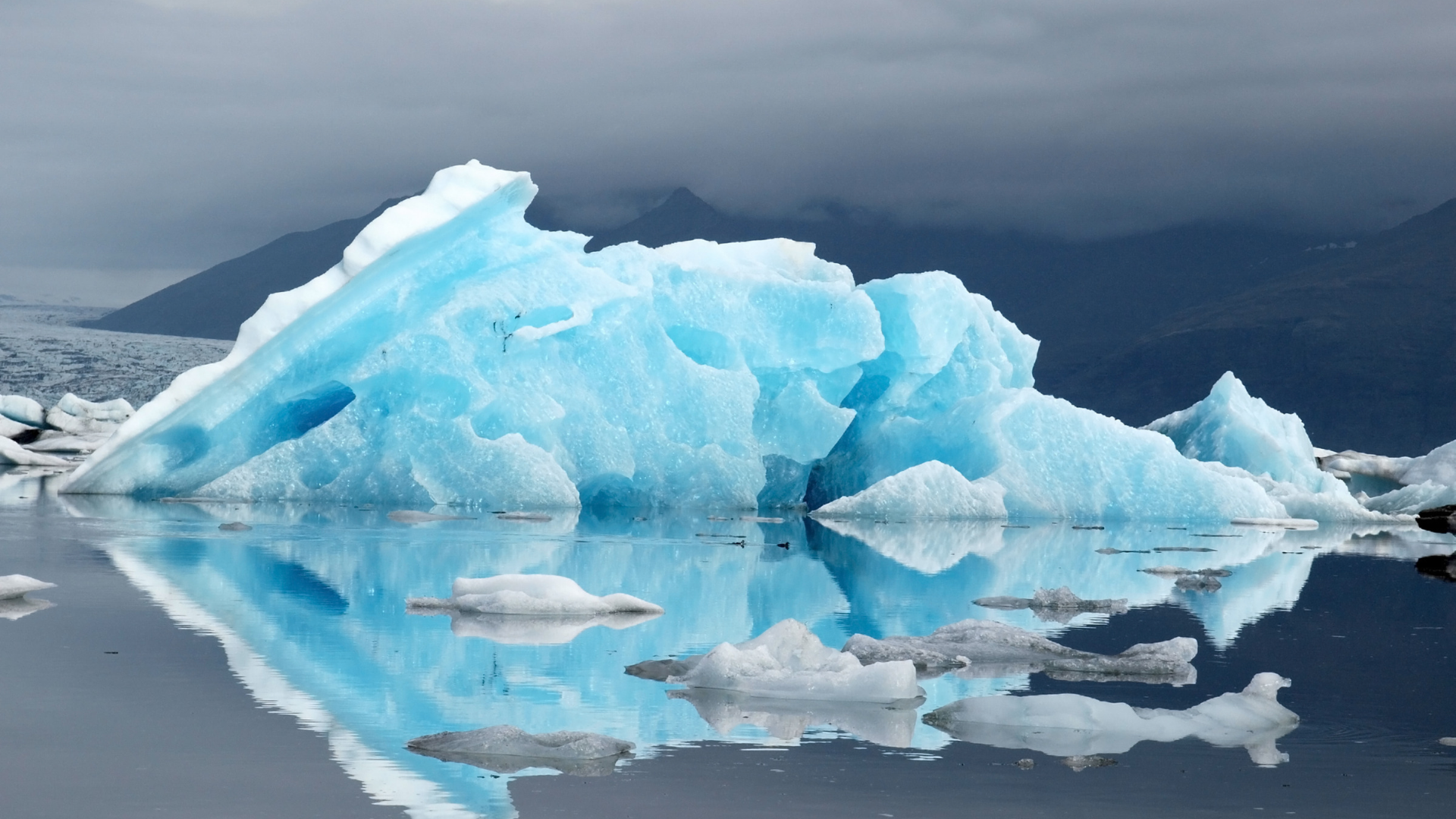
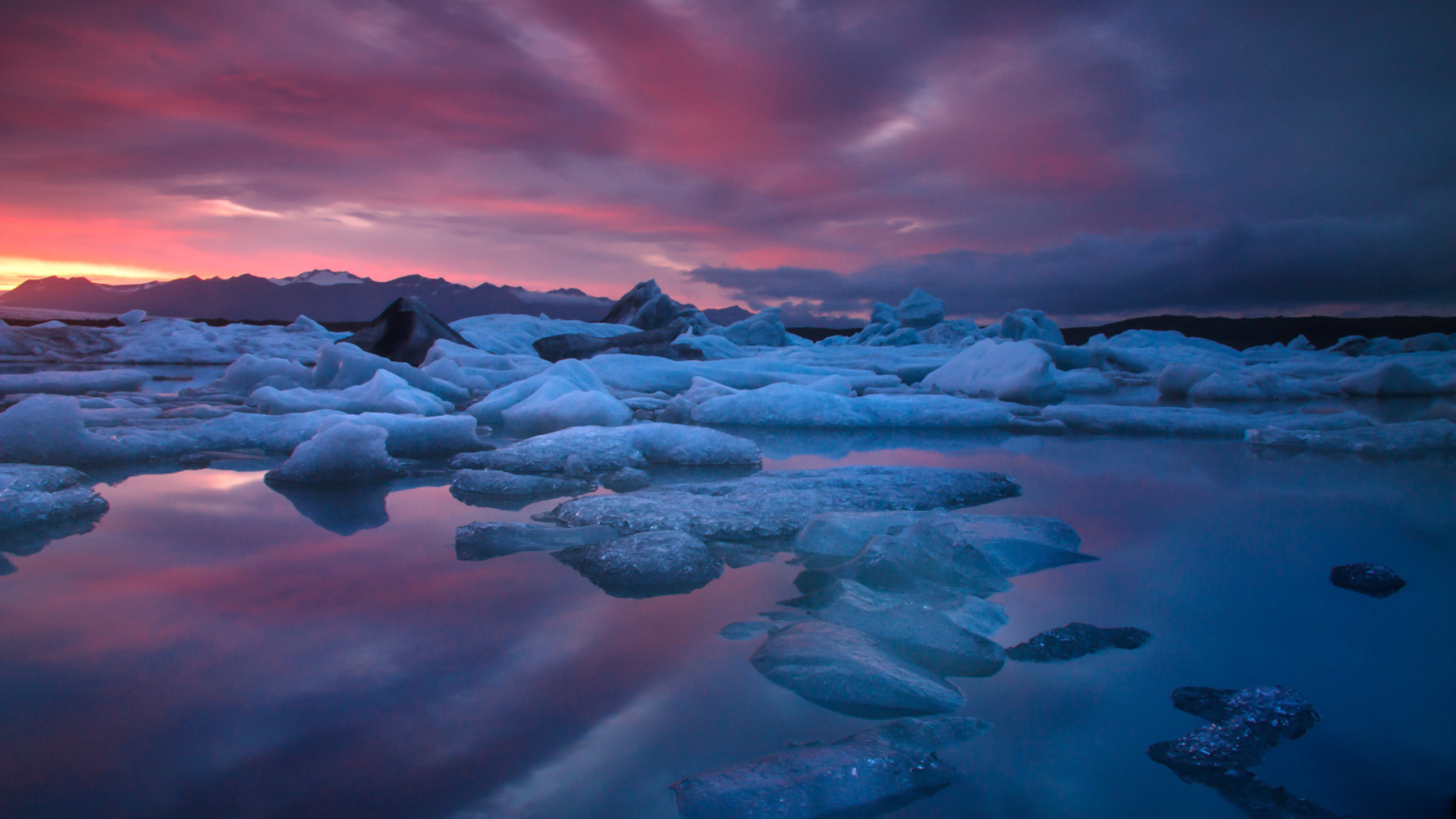
Go to the southeast coast of Iceland, and you will find a lake that did not exist a century ago. Jökulsárlón is a massive glacier lagoon. It sits right at the edge of the Vatnajökull ice cap. What makes this place interesting is that it never looks the same twice. The water is packed with giant icebergs that break off the glacier. They float, flip, and melt, creating a landscape that constantly shifts.
How The Lake Was Made
In geological terms, this lagoon is basically a newborn. Back in the 1930s, the climate started warming up. The giant Breiðamerkurjökull glacier began to melt and back away from the ocean.
As the heavy ice retreated, it left behind a massive trench. Meltwater quickly filled that empty space. Today, the lagoon is the deepest lake in Iceland, reaching almost 1,000 feet below sea level. And because the glacier keeps melting, the lake actually gets bigger every single year.
The Colors Of Old Ice
The icebergs in the water are not just frozen lake water. They are heavy pieces of the glacier itself. Some of this ice is over a thousand years old.
Advertisement
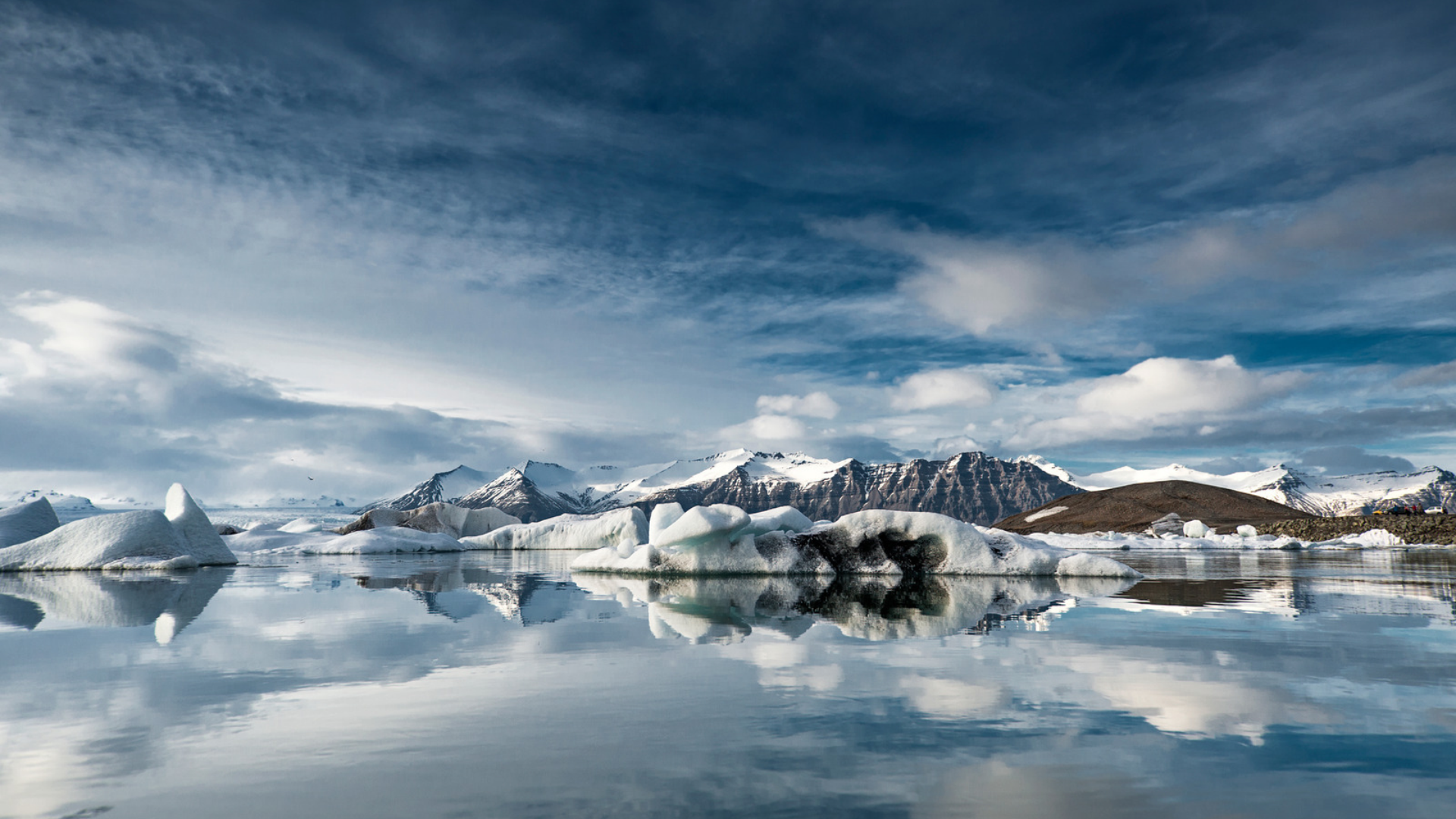
Over centuries, the weight of the glacier squeezed the air bubbles out of the ice. When sunlight hits it, the ice absorbs red and yellow light. That is exactly why the icebergs glow with a deep blue. You can also see thick black stripes running through the blocks. Those are layers of volcanic ash from ancient eruptions. It is a harsh environment, much like Alaska’s stunning blue ice caves.
The Trip To Diamond Beach
The icebergs do not stay in the lagoon forever. They spend a few years floating and melting. Once they get small enough, the tide pulls them out into the Atlantic Ocean.
The heavy ocean waves then wash the chunks of ice back onto a nearby black sand beach. Saltwater polishes the ice until it looks like giant glass crystals on the dark sand. People call it Diamond Beach. It is the final stop for ice that took hundreds of years to form.
 Read Exclusive Stories
 Bookmark & Save Articles For Later