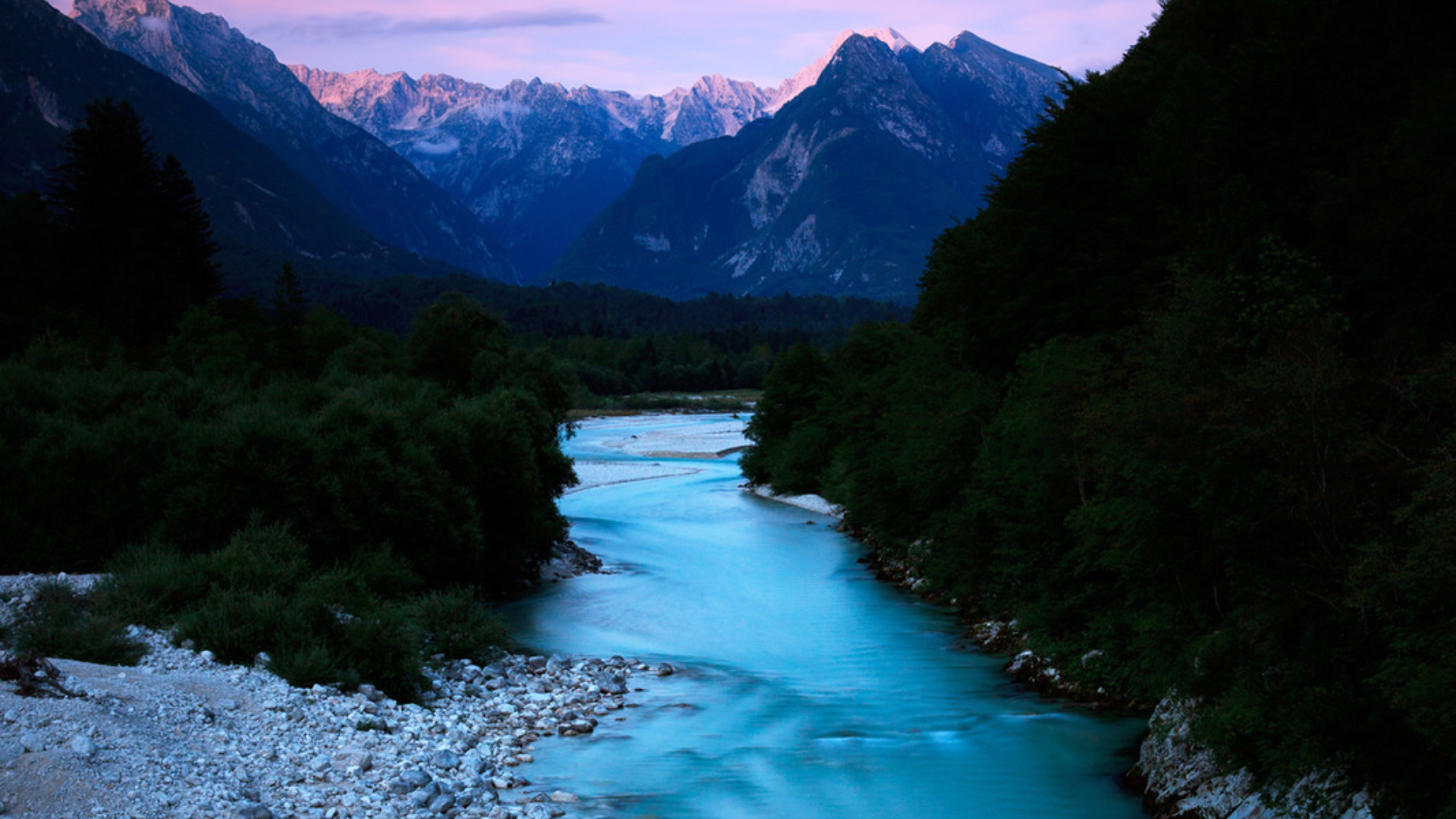
Go to western Slovenia, and you will find a river that does not look real. The Soča River starts high up in the Julian Alps and runs all the way down into Italy, where locals call it the Isonzo. Most rivers get muddy or dark brown as they flow toward the ocean. But the Soča stays a glowing emerald green for its entire run.
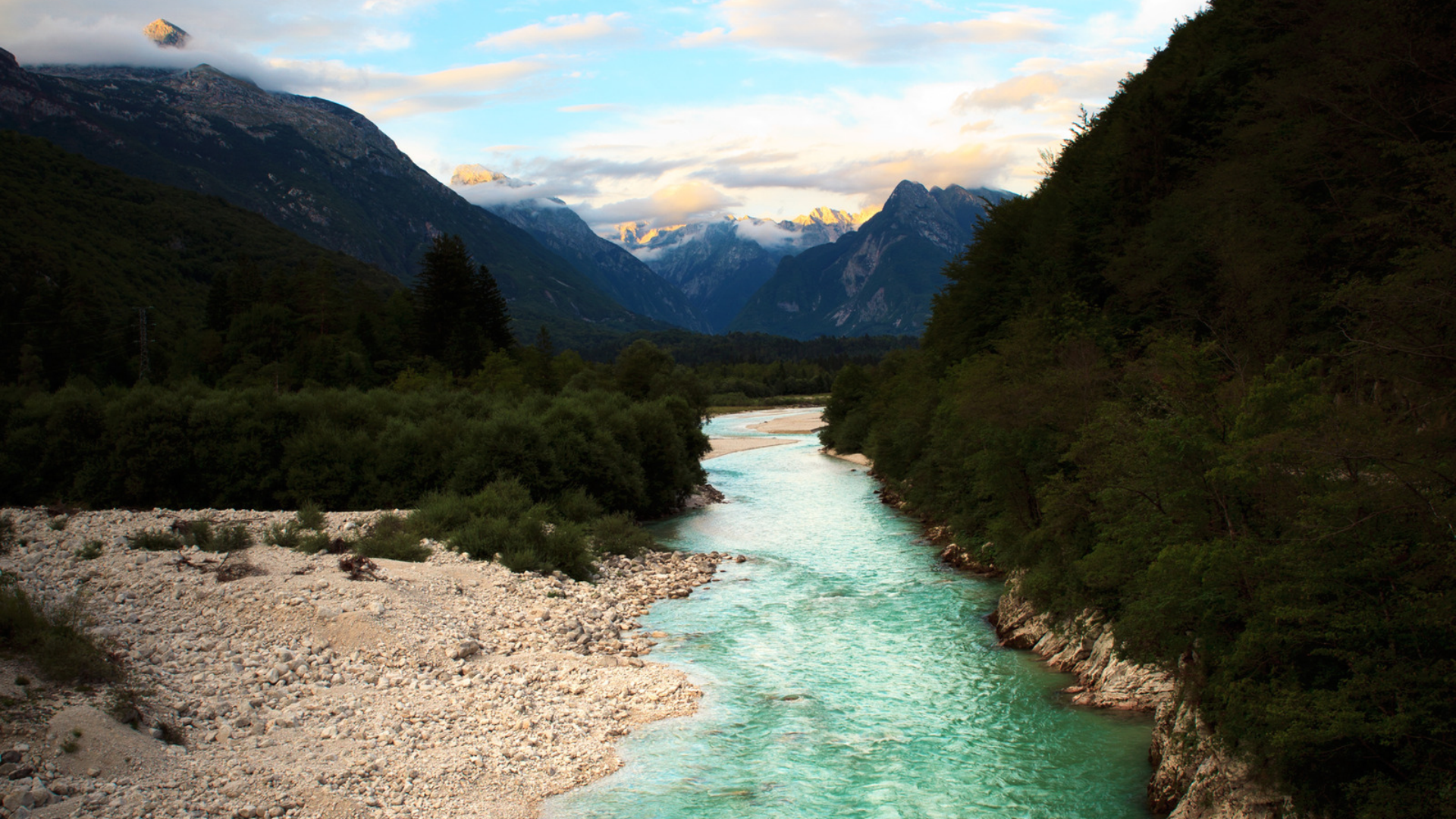
It looks like someone dumped food coloring into the water. But it is really just basic geology at work.
The Secret To The Color
The water here is freezing cold and incredibly clear. The bright green color actually comes from the rocks beneath it. The river cuts straight through mountains made of limestone.
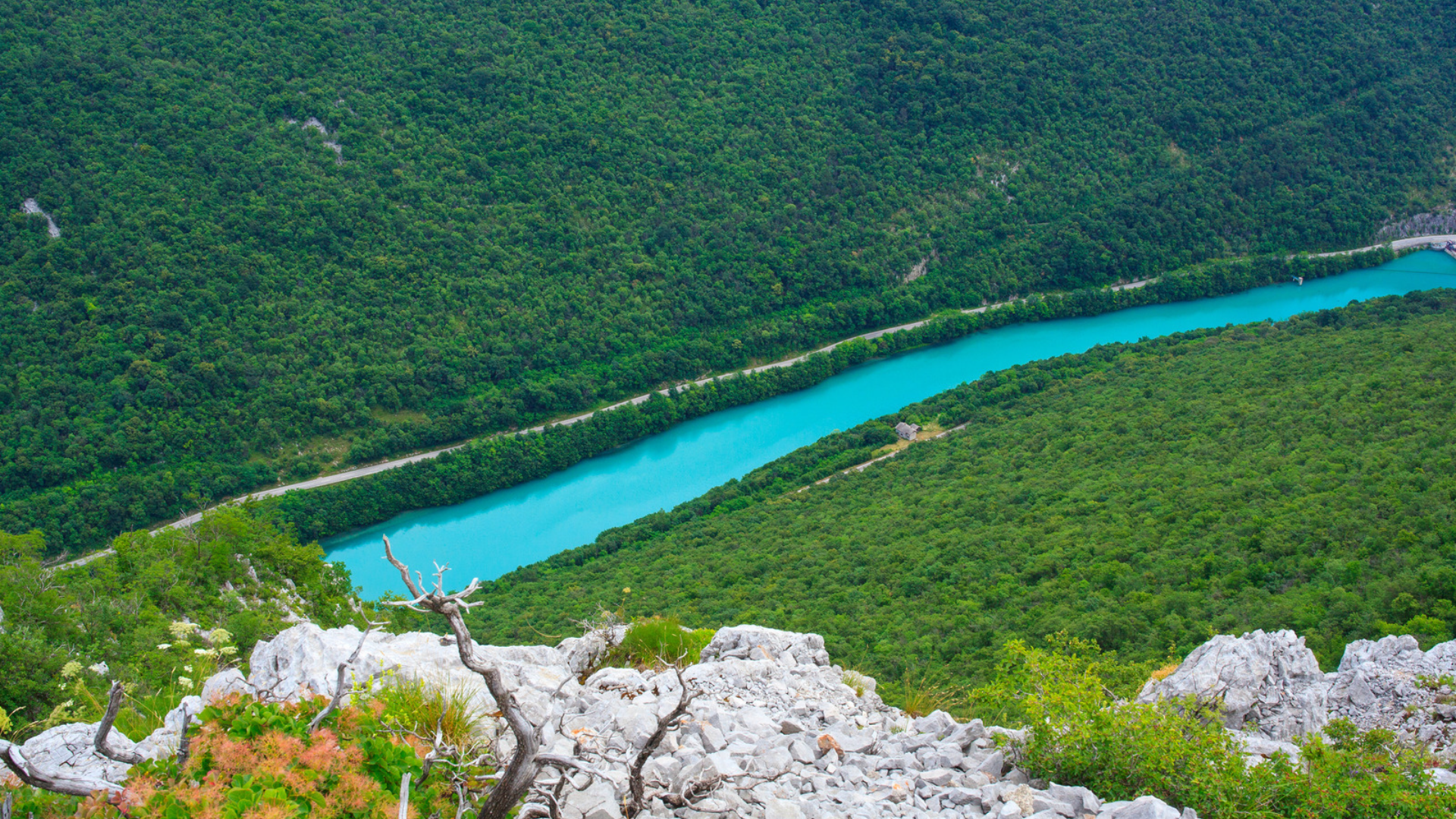
As the fast water crashes over the riverbed, it slowly grinds the limestone down into fine dust. This white rock dust stays floating in the water instead of sinking to the bottom. When sunlight hits the river, those suspended particles reflect the blue and green light back up at you. So the water is not actually green. You are just seeing the light bouncing off crushed mountain rock.
A Brutal History
Advertisement
The valley around the river is stunning, but it holds a really dark past. During World War I, this exact area was known as the Isonzo Front.
Millions of soldiers fought a brutal mountain war right on the banks of this river. The fighting was heavy and lasted for years. Today, you can walk along the quiet riverbanks and still find old concrete bunkers, rusty barbed wire, and deep supply trenches cut directly into the mountain stone. It is a very strange contrast. You have this perfect, untouched natural landscape that was once one of the worst war zones in Europe.
Carving Through The Mountains
The river moves fast. Over thousands of years, water has carved through solid rock to create deep, narrow gorges. In some spots, the canyon walls pinch so close together that you can almost touch both sides. The water drops into deep pools where you can spot the famous marble trout, a massive fish that only lives in this specific river system.
All that rushing water makes it a huge spot for whitewater rafting today. But even if you stay on the dry trail, you can see exactly how the water physically alters the stone. It is a slow, constant process. Much like how Yellowstone’s hot springs look like an inside-out cave, the landscape here is never really finished. The river just keeps grinding the limestone down, day after day.
 Read Exclusive Stories
 Bookmark & Save Articles For Later