Quilts are mostly known for keeping people warm. But they do much more than that. A handmade quilt holds a lot of history in its stitches.
Saving The Scraps
Long ago, fabric was expensive. People did not throw out old shirts or worn-out dresses. Instead, they cut out the good parts and saved them in a scrap bin. Even flour sacks were washed and saved.
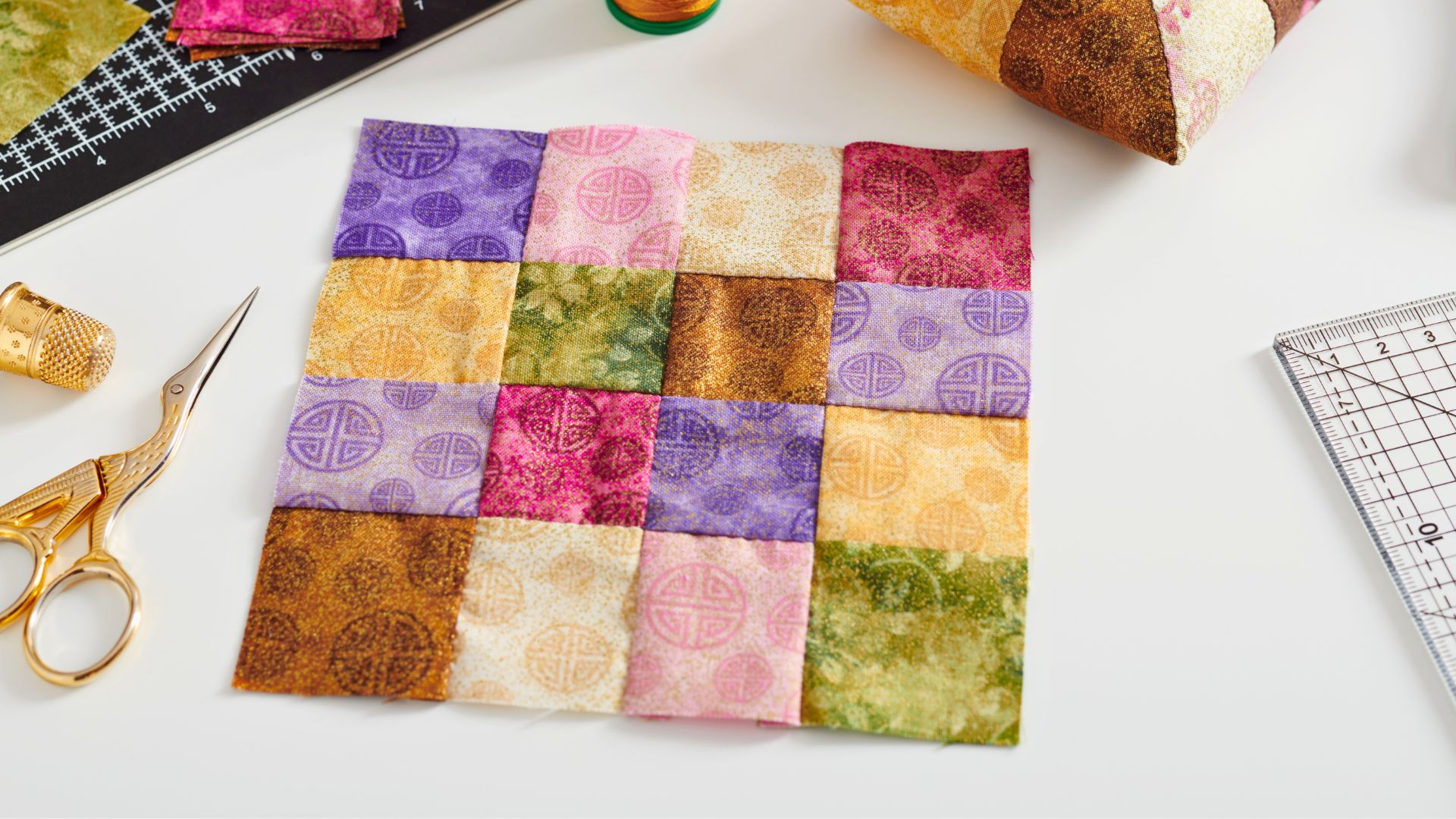
A quilter would use all these random pieces to build a new blanket. Every piece of fabric came from someone in the family. It was a very practical way to recycle. But it also meant that a quilt was made out of a family’s old clothes.
Sewing The Patterns
Quilters do not just sew squares together in a row. They arrange the scraps into specific designs. Some patterns look like a log cabin. Others look like a flying goose. Many patterns were passed down through families for generations.
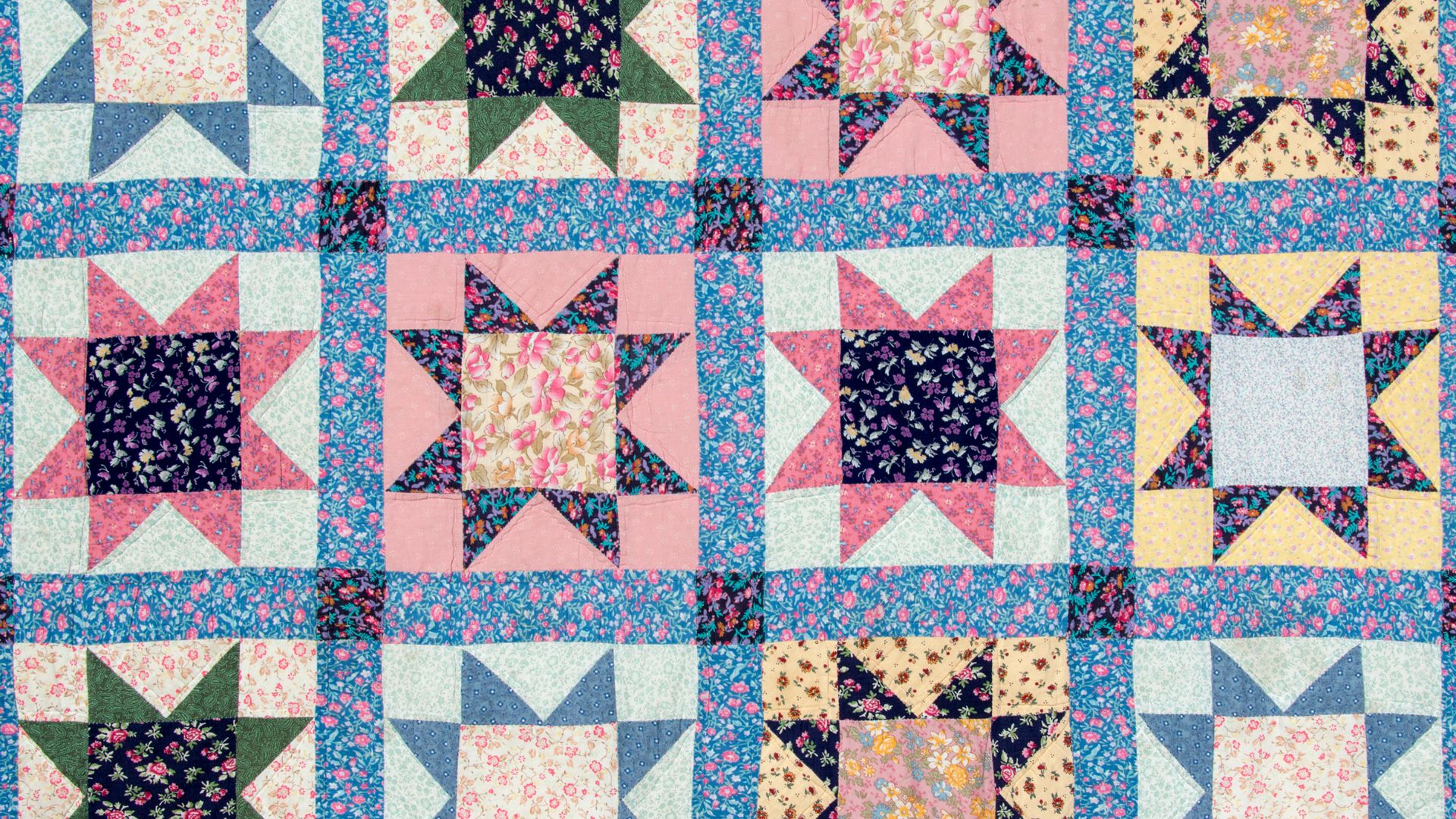
A quilter would pick a specific design to mark a marriage or a move to a new home. Some people say the patterns were even used as secret maps or codes to help people find safety during times of conflict. The arrangement of the shapes almost always meant something.
Passing Down History
Putting a quilt together takes weeks of hand sewing. The top piecework, the soft middle padding, and the back all have to be stitched together. And that is why it matters so much.
A finished quilt becomes a physical record. When you look at an old quilt, you are really reading a map of what a family wore and where they lived.
 Read Exclusive Stories
 Bookmark & Save Articles For Later