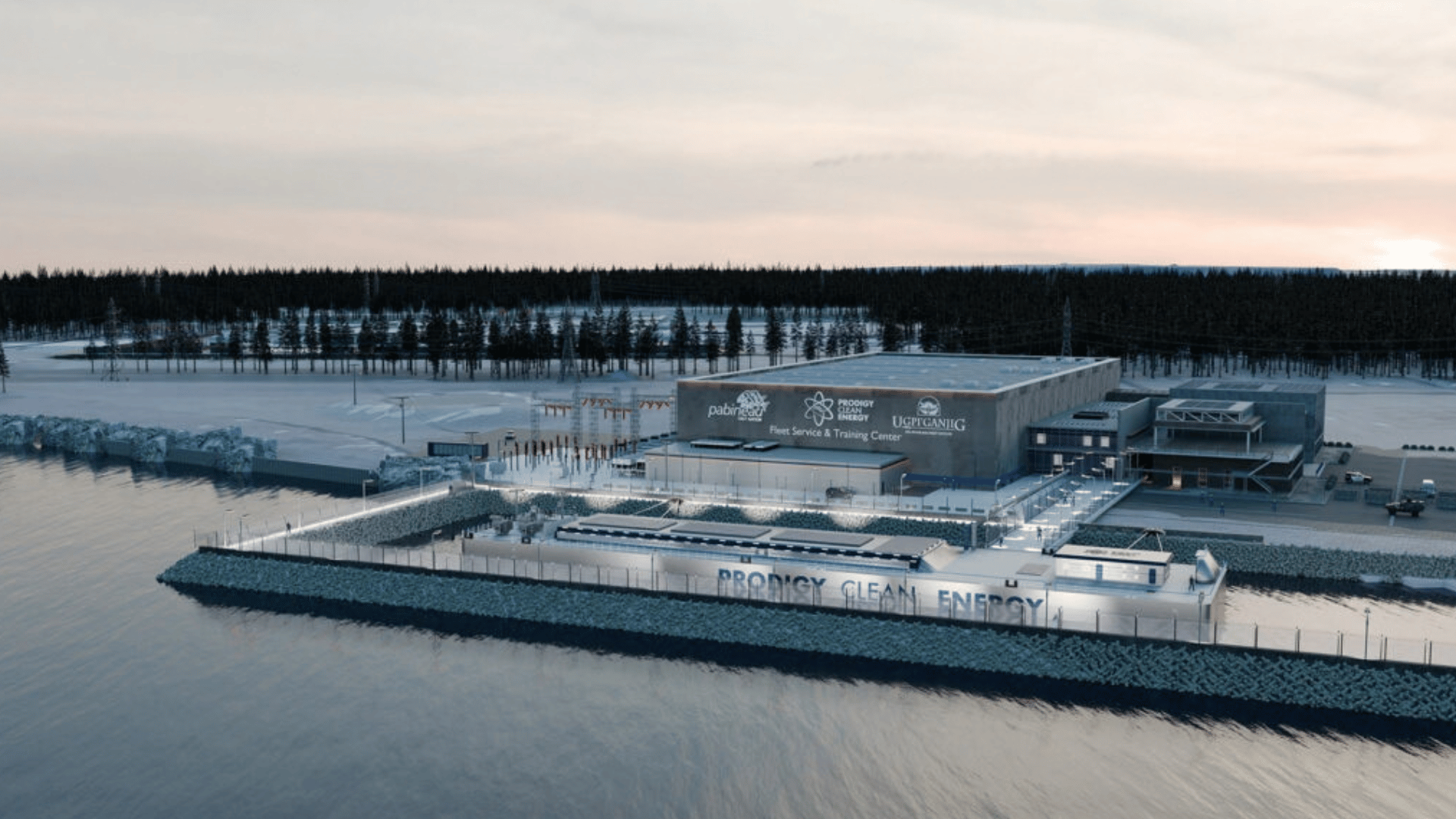
For the first time in over 50 years, the U.S. has a new domestic lithium mining project up and running.
In February 2026, Texas-based company Element3 opened a lithium extraction plant in Midland, Texas. Instead of digging giant pits in the ground, the facility pulls lithium directly from oil field wastewater.
When companies extract oil in the Permian Basin, they bring up large amounts of wastewater known as produced water. This water contains dissolved lithium. Using technology created by a team at Oak Ridge National Laboratory (ORNL), Element3 extracts lithium chloride from the liquid and turns it into battery-grade lithium carbonate powder.
Commercial Scale Lithium
In April 2025, the Department of Energy (DOE) launched the Minerals to Materials Supply Chain Research Facility, known as METALLIC. Led by the National Energy Technology Laboratory, nine national labs collaborate through METALLIC to help companies test and scale up new methods for refining and extracting critical minerals.
Element3 had licensed ORNL’s extraction technology back in 2024. Through the national lab network, the team successfully scaled the process from laboratory testing to a commercial operation.
Advertisement
“The feedstock contains all kinds of elements, so you need to selectively extract the element of interest with high efficiency and low cost as you scale up,” Paranthaman said.
Powering U.S. Supply Chains
For decades, most lithium processing took place overseas, where labor was cheaper and environmental rules were less strict. This new facility marks a shift back toward domestic production, securing critical materials for technology, transportation, and defense.
The Midland plant can produce 3,000 tons of lithium per year, which equals nearly half of total U.S. production. That supply will go toward making smartphones, vehicle batteries, and grid-scale energy storage.
“We can produce our own starting materials, like for battery manufacturing, for example,” Paranthaman said. “You need lithium hydroxide or lithium carbonate, and we are producing those chemicals at the Texas site. We are doing the separation to produce our own lithium. This is a domestic supply chain.”
 Read Exclusive Stories
 Bookmark & Save Articles For Later