The power grid is under a lot of stress. Whether it’s electric vehicles, renewable energy systems, or connected technologies, all of these put heavy demands on the grid.
Utilities require a way to detect problems before critical infrastructure fails. Researchers at Stony Brook University are building a new Digital Twin Studio to find that answer.
Like all digital twin technologies, it’s a virtual testing ground where researchers can safely observe how the grid responds to severe weather, equipment failures, cyberattacks, and changing energy demands.
Testing the Digital Twin Neighborhood
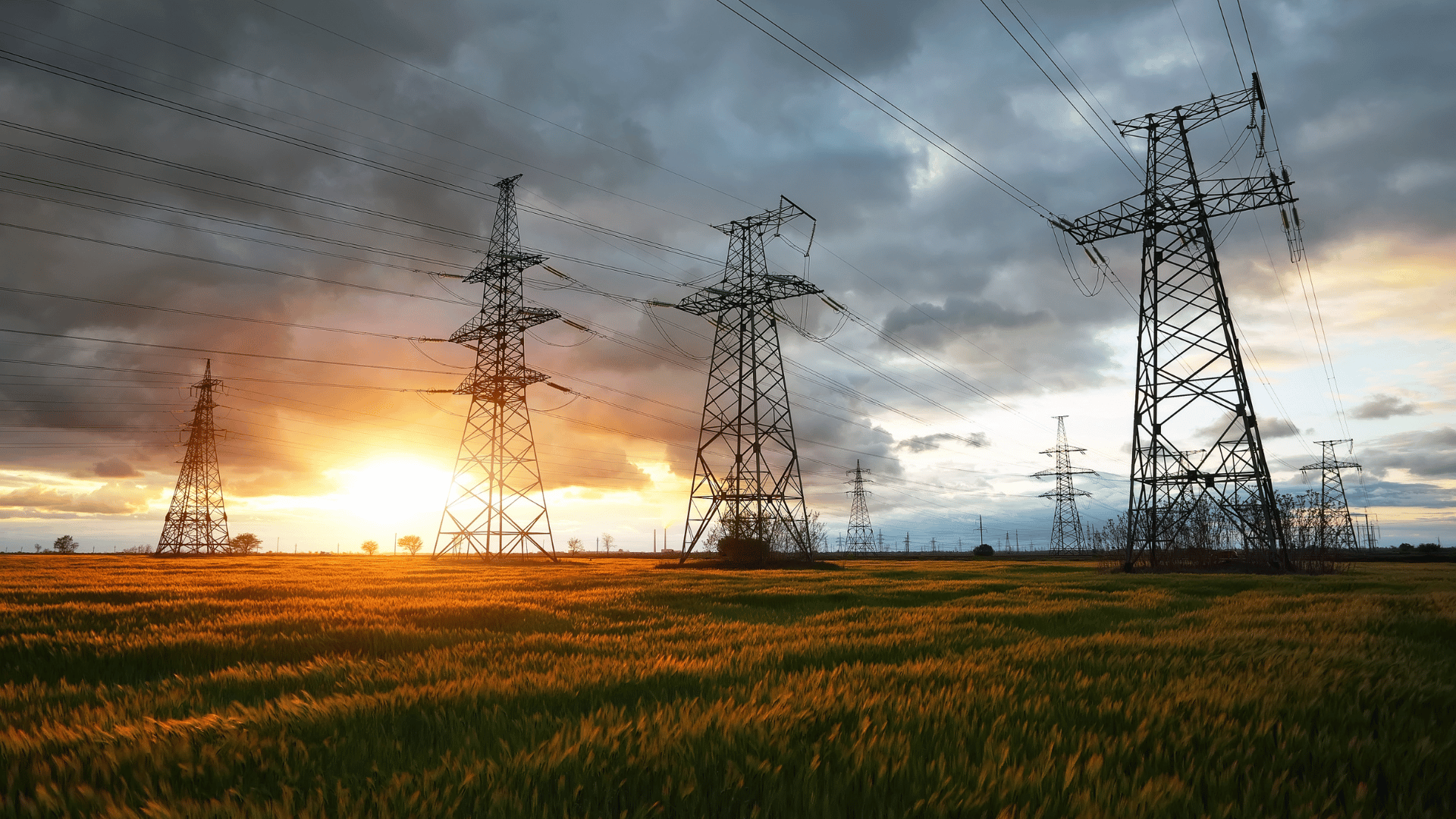
The studio creates virtual models of neighborhood power networks. To make this work, the team bought high-performance computers and a drone equipped with thermal cameras and lasers. They use these to map out trees and power lines, helping utilities determine which branches might knock out power during a storm or wildfire and fix the problem before it happens.
Advertisement
The project has about $550,000 to start, with another $300,000 expected next.
“What excites me most about the Digital Twin Studio is that it will bring research, workforce development and industry engagement together in one place,” said Abdelrahim Brown of AERTC and GrIDD. “We are building something that students can learn from, researchers can use and partners can help shape as the platform grows.”
Teaming Up for the Future
The team hopes to have the first version of the studio running by December 2026. By Spring 2027, a new student training program should be ready for its first class.
A technology company called IotaComm is joining the project to share data and help monitor how well the physical equipment is working.
“Building on our work with a LoRaWAN® testbed at CEWIT and our related project with AERTC, this collaboration helps create a living-lab environment where smart building systems, energy research, environmental sensing, asset-health monitoring, and device-level modeling can come together,” Terrence DeFranco, the chairman and CEO of IotaComm, explained. “For IotaComm, this initiative reflects the broader value of making physical environments more connected, measurable, adaptive, and actionable through our Delphi360 platform while supporting research, workforce development, and industry collaboration.”
 Read Exclusive Stories
 Bookmark & Save Articles For Later