When you hear the phrase “skilled trades,” it is easy to picture dusty workshops and old-school manual labor. But that image is entirely outdated. The trades are where advanced technology, software, and physical engineering meet.
As automation and green energy take over the modern economy, the people who install, build, and maintain these systems have become the most valuable workers in the room. Here is a look at how technology is rapidly reshaping traditional trades.
Welding Meets Robotics
Welding used to be entirely about hand-eye coordination. While those physical skills are still essential, modern welders are increasingly becoming robot programmers.
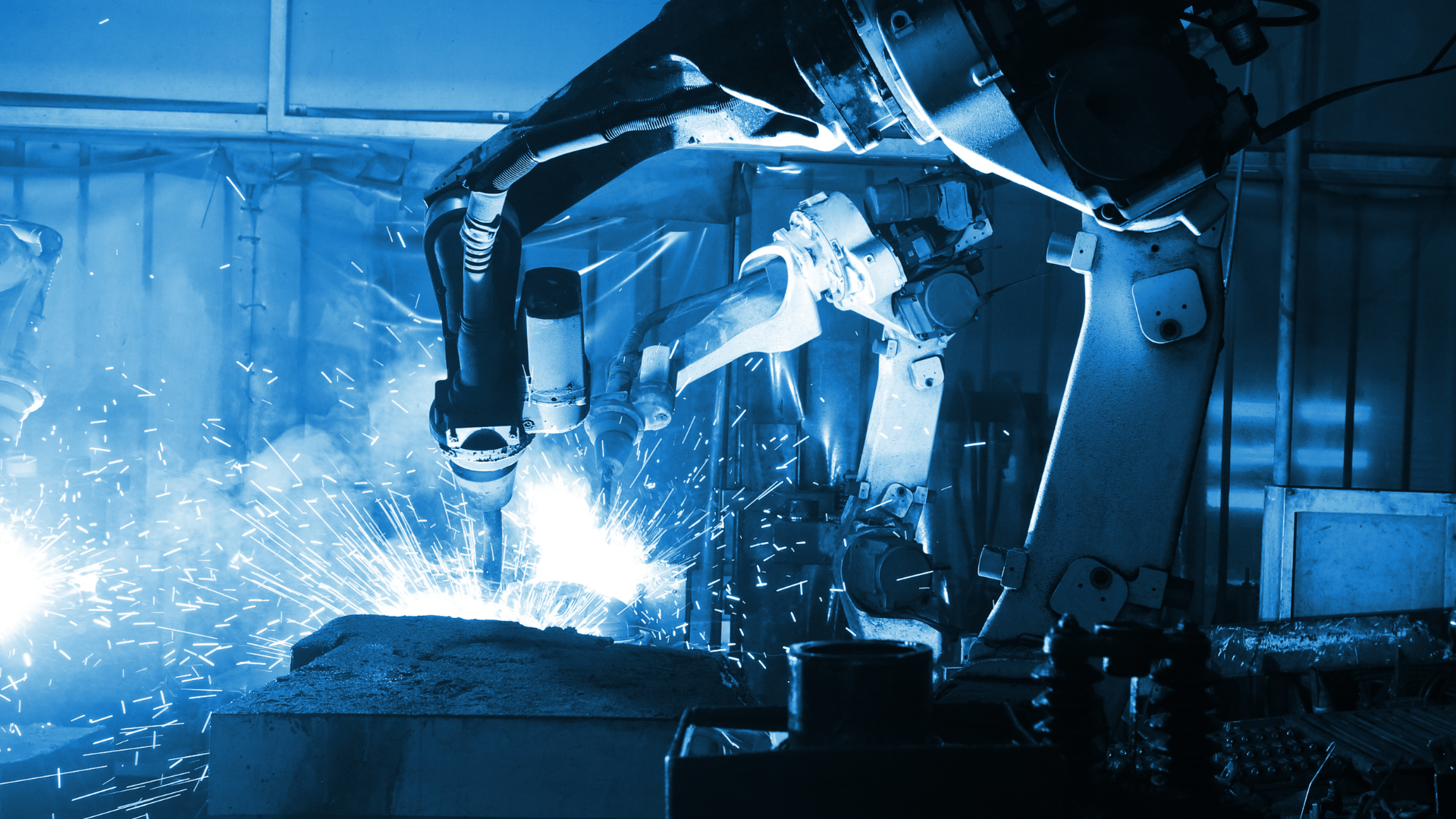
As massive manufacturing plants and gigafactories scale up production, they rely heavily on robotic welding arms to handle repetitive, high-volume tasks. But a robot cannot adjust on the fly if a piece of metal is warped or the environment changes. Today’s welders oversee these automated cells. They program the machines, set the parameters, and inspect the complex welds, blending traditional metallurgy with software management.
Machinists And Precision Code
A machinist’s job is to take a raw block of metal and shape it into a highly specific part—whether it is for an airplane engine or a medical device. In the past, this meant turning dials and cutting by hand.
This field is driven by CNC (Computer Numerical Control) machining. Modern machinists have to be fluent in digital design and computer programming. They take digital blueprints and write the specific code that tells a multi-axis machine exactly how to cut the material to within a micrometer. It is a perfect hybrid of digital coding and physical manufacturing.
Electricians Powering The Grid
Advertisement
The push for renewable energy and electric vehicles is fundamentally changing what it means to be an electrician. The electrical grid is no longer a simple one-way street from a power plant to a house.
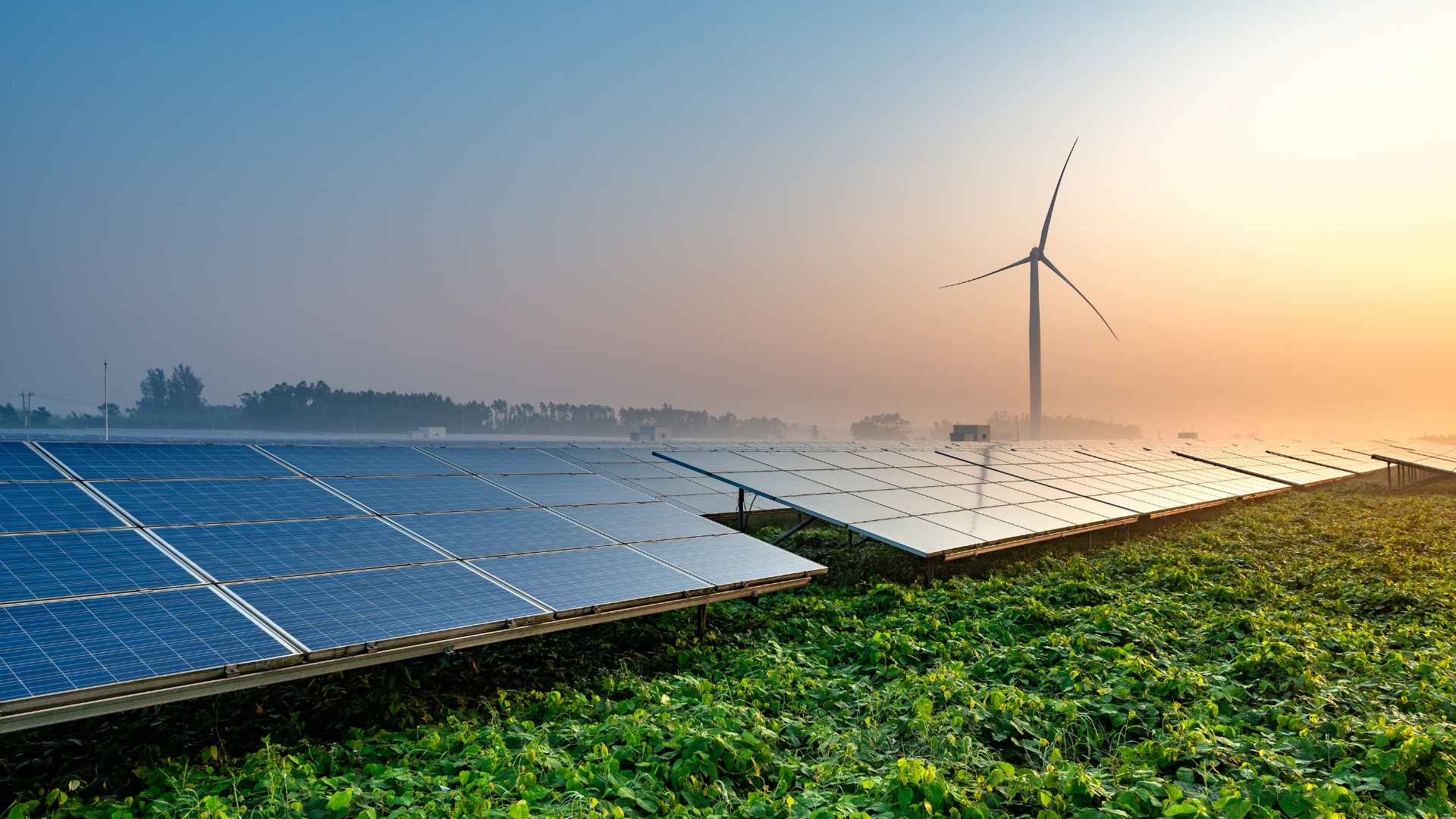
Modern electricians are installing massive commercial solar arrays, setting up high-voltage EV charging networks, and wiring smart-home battery storage systems. They have to understand how power flows back and forth between the grid and a home. As utilities modernize their infrastructure, electricians are the ones physically building the smart grid, working with complex sensors and energy management software.
Advanced Manufacturing Technicians
Factories are no longer just assembly lines; they are massive data centers that happen to make physical products.
This shift has created a massive demand for advanced manufacturing technicians. These workers are the mechanics of the digital age. They do not just fix broken belts or gears. They maintain the automated conveyor systems, calibrate the optical sensors, and troubleshoot the artificial intelligence systems that run quality control. When a smart factory’s robotic system goes down, these are the technicians who know how to bridge the gap between mechanical failure and software glitches.
Construction Goes Digital
A modern construction site looks a lot more like a tech hub than you might think. Before a shovel ever hits the dirt, construction managers and skilled tradespeople use drones to map the site and 3D scanners to perfectly measure the landscape.
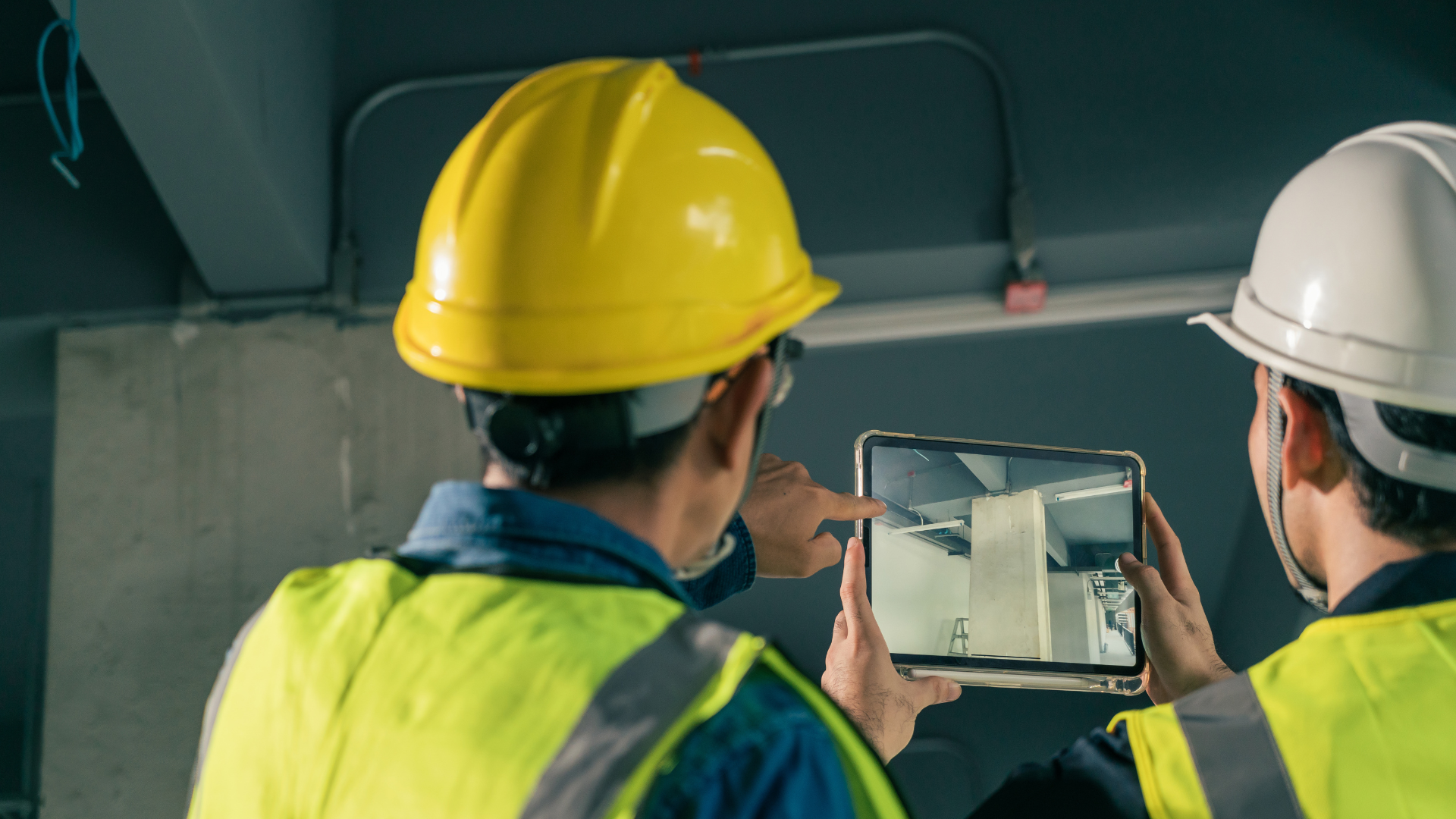
Tradespeople are using Building Information Modeling (BIM) software—essentially digital twins of a building—on their tablets right on the job site. This allows electricians, plumbers, and HVAC technicians to see exactly where every wire and pipe needs to go through augmented reality before they even start cutting. It reduces waste, speeds up the process, and brings a new level of high-tech precision to traditional building.
 Read Exclusive Stories
 Bookmark & Save Articles For Later