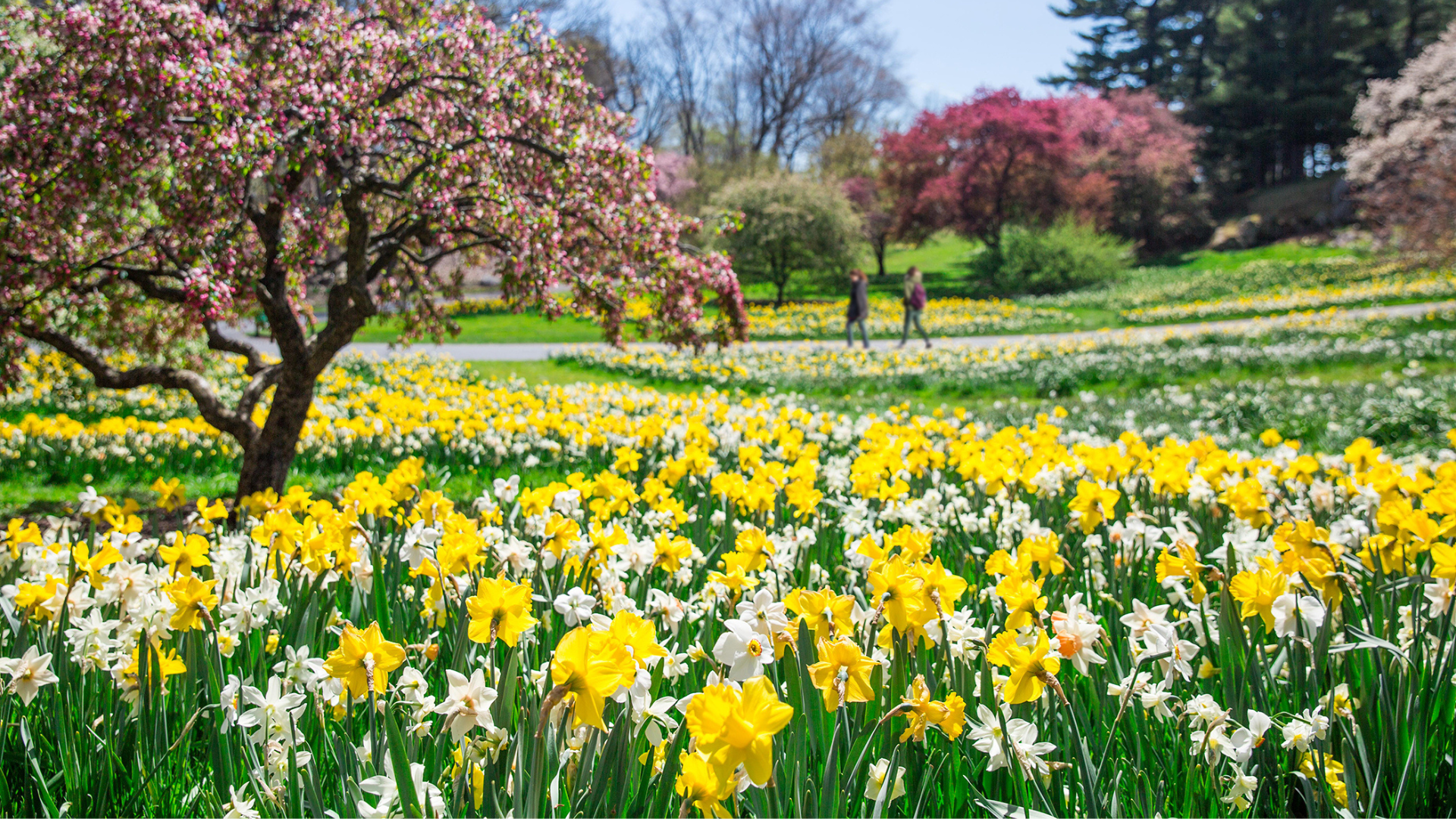
If you take the train up to the Bronx in New York City, you can leave the concrete behind and step out into a 250-acre living museum.
This is the New York Botanical Garden. It was founded back in 1891 after a local botanist and his wife visited the Royal Botanic Gardens in London. They decided New York needed something just as impressive. But it is not just a nice park to walk through. It is an active scientific research center mixed with a historical site.
An Original City Forest
The most surprising part of the garden sits right in the middle. There is a 50-acre patch of old-growth forest hidden among the manicured lawns.
This is the original woodland that covered the entire area before anyone built streets and skyscrapers. It has never been cleared or logged. You can walk the dirt trails and see trees that are hundreds of years old. If you look closely at the large boulders sitting on the ground, you can even see deep scratches left behind by moving glaciers from the last ice age. It gives you a perfect snapshot of what New York looked like thousands of years ago.
Under The Glass
When you want to see plants that cannot survive freezing New York winters, you go to the Enid A. Haupt Conservatory. It is a massive glass building built in the 1890s that looks like a giant crystal palace.
Advertisement
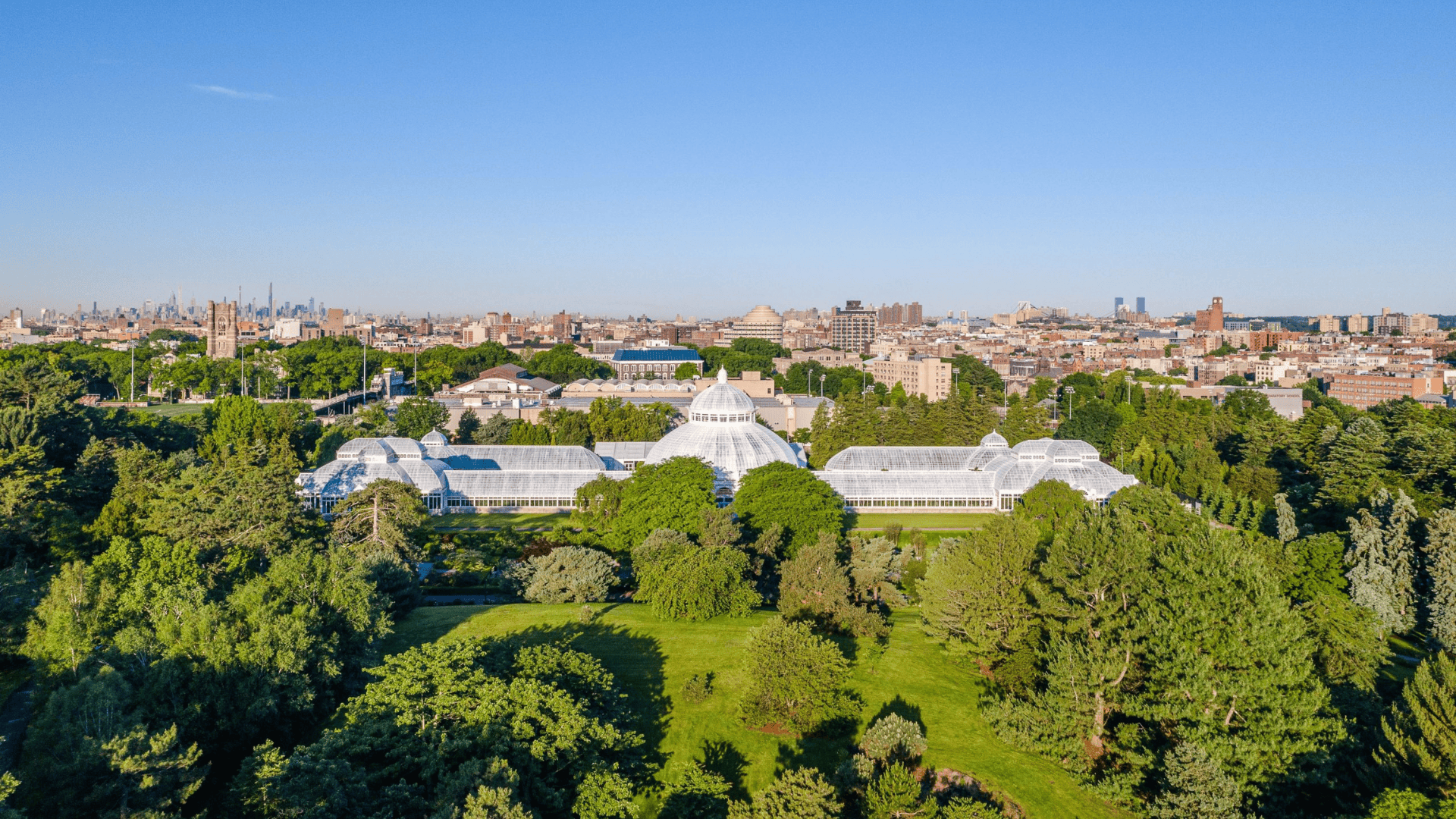
Inside, the staff controls the climate perfectly. You can walk through a hot, humid tropical rainforest in one room, and then step right into a desert full of cactus in the next. They also use this space for big seasonal exhibitions. Every spring, they fill the glasshouse with thousands of rare orchids. In the winter, they build an entire model train city using only natural materials like bark, leaves, and twigs.
A Working Plant Lab
The garden is also doing heavy science behind the scenes. They run a facility called a herbarium. It holds nearly 8 million preserved plant specimens from all over the world.
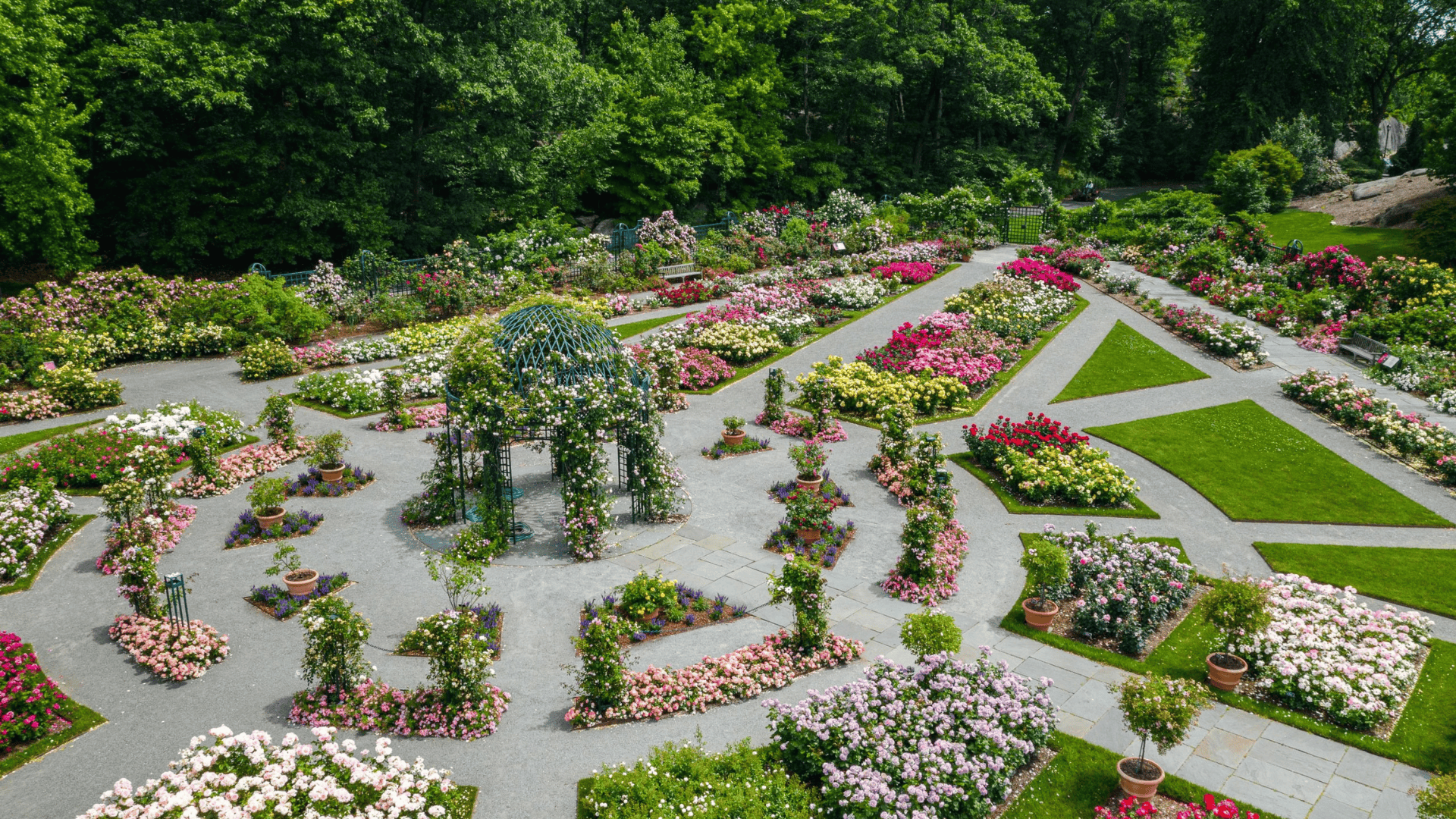
Scientists use these dried plants to study how the Earth is changing over time. They examine plant DNA to see how specific species respond to shifting weather patterns. They also send botanists into remote jungles to find and document rare plants before they go extinct. So while visitors take photos of roses outside, researchers are inside trying to protect the future of the planet’s food and medicine.
 Read Exclusive Stories
 Bookmark & Save Articles For Later