The U.S. Food and Drug Administration recently approved a new drug for pancreatic cancer called Rasonque. Interestingly, the FDA quickly pushed this approval through 6.5 months ahead of schedule.
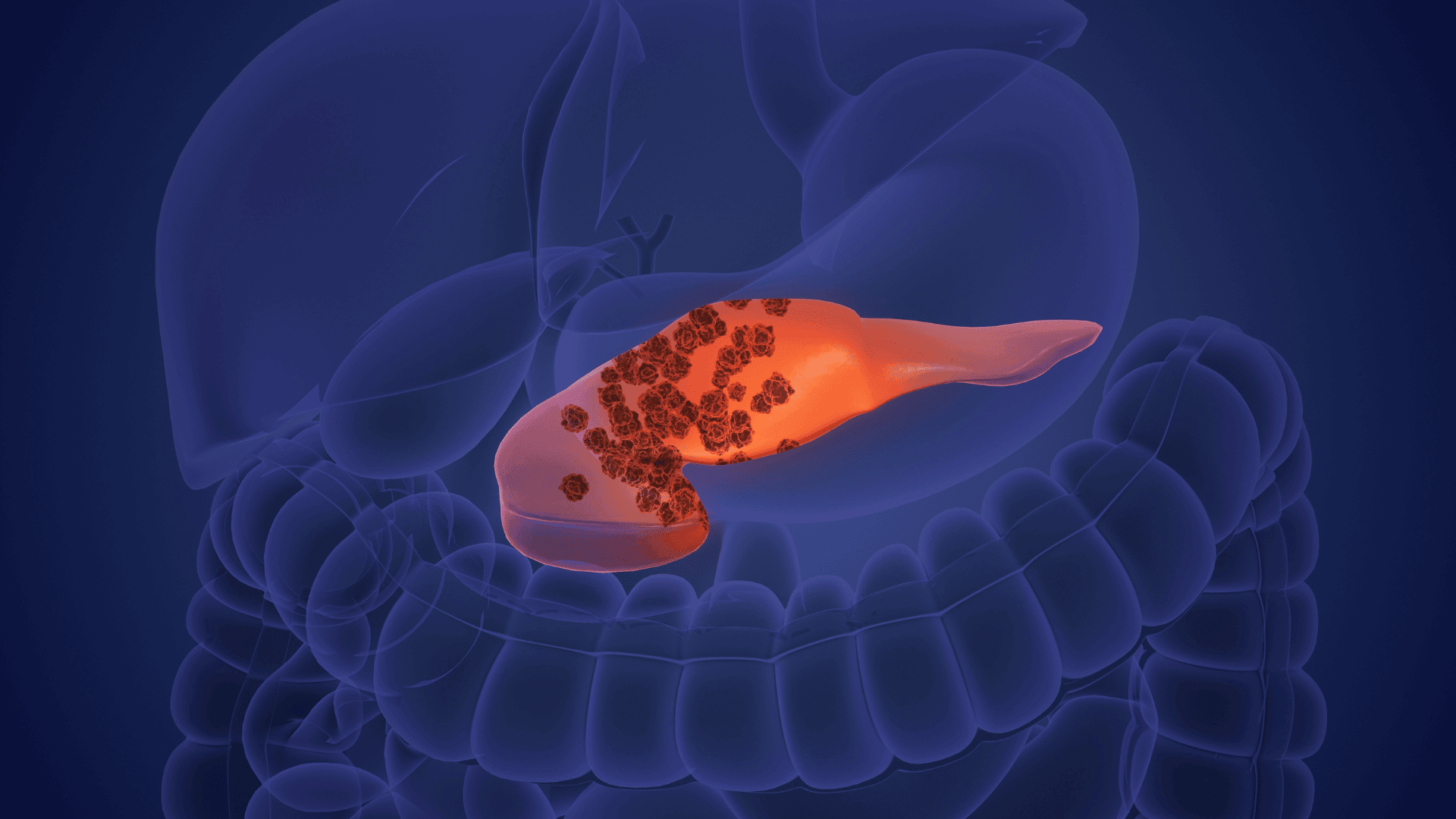
Pancreatic adenocarcinoma makes up about 90% to 95% of the 67,000 new pancreatic cancer cases in the U.S. each year. It is usually found late and moves fast.
In clinical trials, researchers tested Rasonque on 500 adults with advanced cancer who had already tried other treatments. Patients taking Rasonque lived an average of 13.2 months, compared to 6.7 months for those on standard chemotherapy.
“This drug showed unprecedented results in an area of high unmet need,” Angelo de Claro, M.D., director of the FDA’s Oncology Center of Excellence, explained. “The approval was granted 6.5 months before the user fee deadline, demonstrating the FDA’s commitment to accelerating the approval of new cancer treatments for patients with serious and life-threatening conditions.”
A Faster Path to Approval
Advertisement
Rasonque is a daily pill made by Revolution Medicines, Inc. It works as a RAS inhibitor, meaning it targets a specific protein that drives tumor growth.
The FDA used several tools to clear this quickly. They gave it Breakthrough Therapy and Priority Review status. They also pushed it through a National Priority Voucher pilot program, allowing patients to access the drug early back in May before it was fully approved.
“Today’s approval provides a critical new option for patients facing an extraordinarily difficult and historically hard-to-treat cancer. It is our fundamental duty to deliver more cures and meaningful treatments to patients as quickly as possible,” Acting FDA Commissioner Kyle Diamantas added. “I am immensely proud of the dedicated FDA scientists whose fast, thorough review and relentless commitment made this groundbreaking milestone a reality.”
What You Should Know
This can help adults with metastatic pancreatic adenocarcinoma who have tried at least one other systemic therapy, or those who can’t take multi-drug treatments.
Despite the promising results, the treatment comes with side effects. The most common ones are rash, diarrhea, stomatitis (mouth inflammation), nausea, and fatigue. Patients might also experience vomiting, stomach pain, edema, loss of appetite, and hemorrhage.
 Read Exclusive Stories
 Bookmark & Save Articles For Later