A new study shows that learning isn’t only about effort or practice. It also depends on whether your brain is in the right state to hold onto new information, and your physical body plays a huge role in this process.
The Body-to-Brain Stimulation
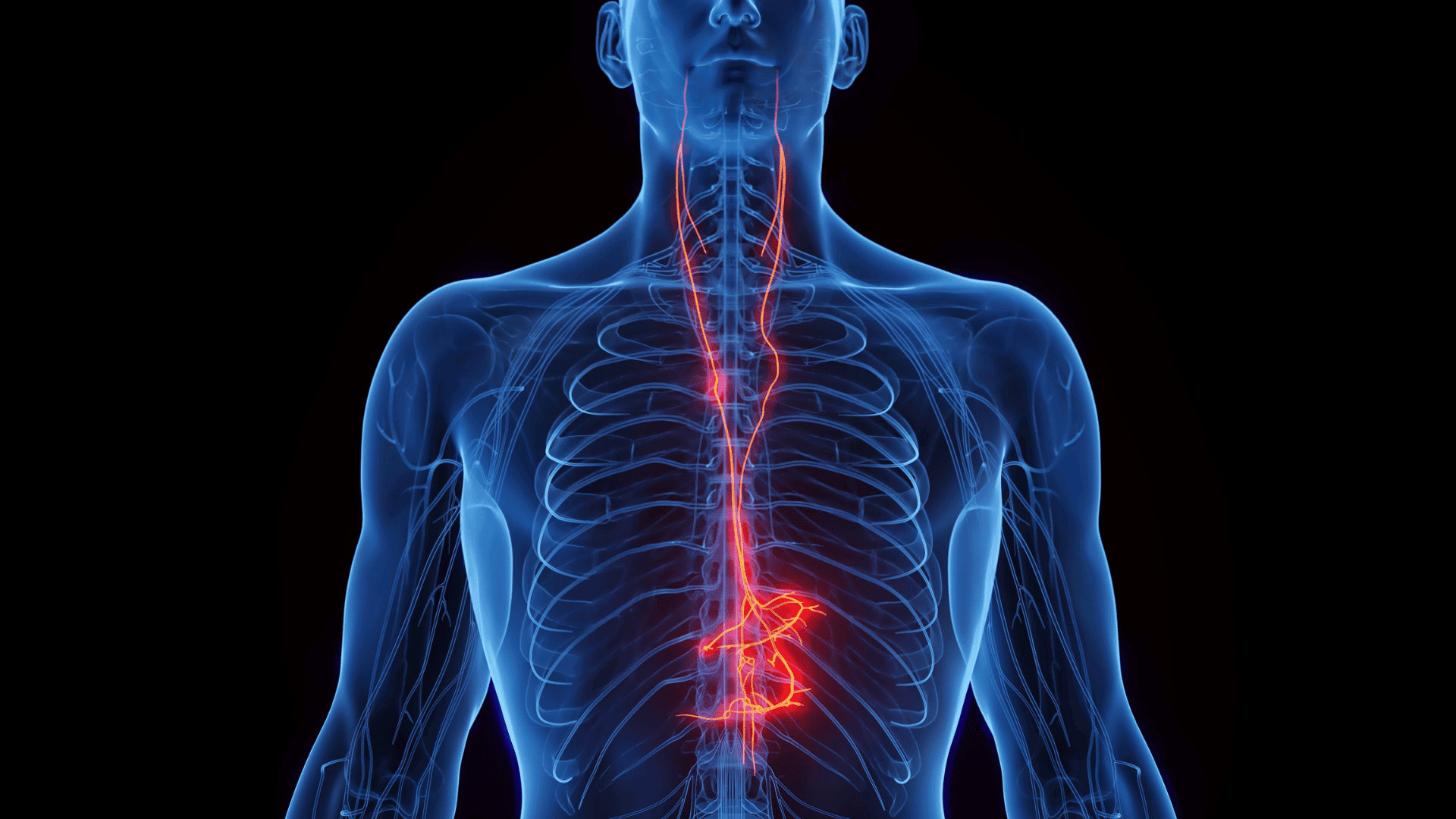
Signals constantly travel from your internal organs to your brain through a major communication route called the vagus nerve. Researchers at Tohoku University specializing in super-network brain physiology just showed how this nerve can help long-term motor learning.
The team attached a small cuff electrode to the left cervical vagus nerve of each mouse they tested on. Then, they tested the mice on a specific eye-movement task. The mice had to learn to track moving visual stripes. This is a lot like the natural eye movements you make when you’re standing still but staring at something passing by you.
The researchers didn’t stimulate the vagus nerve while the mice were actively learning, only after each training session was over.
Timing is Everything
Advertisement
The nerve stimulation didn’t make the mice perform better during the actual training. However, it did help them remember the new skill much better on the following days.
“The key point is that VNS was delivered only after training,” said Professor Ko Matsui. “Our findings suggest that VNS may open a hidden window of opportunity for enhanced learning by making the brain environment more receptive to long-lasting change.”
To determine exactly how this works, the researchers looked at blood volume in the brain. They found that stimulating the vagus nerve caused a quick drop in local blood volume, followed by a delayed increase. Repeated stimulation created rhythmic changes in the blood vessels. Mice that had larger rhythmic blood flow changes ended up showing better learning by the fifth day.
“Our brains may be more strongly influenced by the body than we imagine,” said lead author Junyu Chen. “By tuning the brain’s metabolic environment, including rhythmic vascular movements, we may eventually unlock capacities that would otherwise remain latent.”
 Read Exclusive Stories
 Bookmark & Save Articles For Later