Cutting carbon across roads, railways, skies, and seas is a massive puzzle. To help solve it, researchers at Cranfield University built a new blueprint for transport digital twins.
Digital twins are virtual replicas of physical systems. Planners use them to run “what-if” scenarios and predict maintenance without risking real-world mistakes.
The team developed their design model as part of TransiT, a UK research hub working on low-cost ways to lower transport emissions. Their study, published in Sustainable Cities and Society, adapts an international manufacturing standard for the transport sector.
Connecting the Dots Across Transport
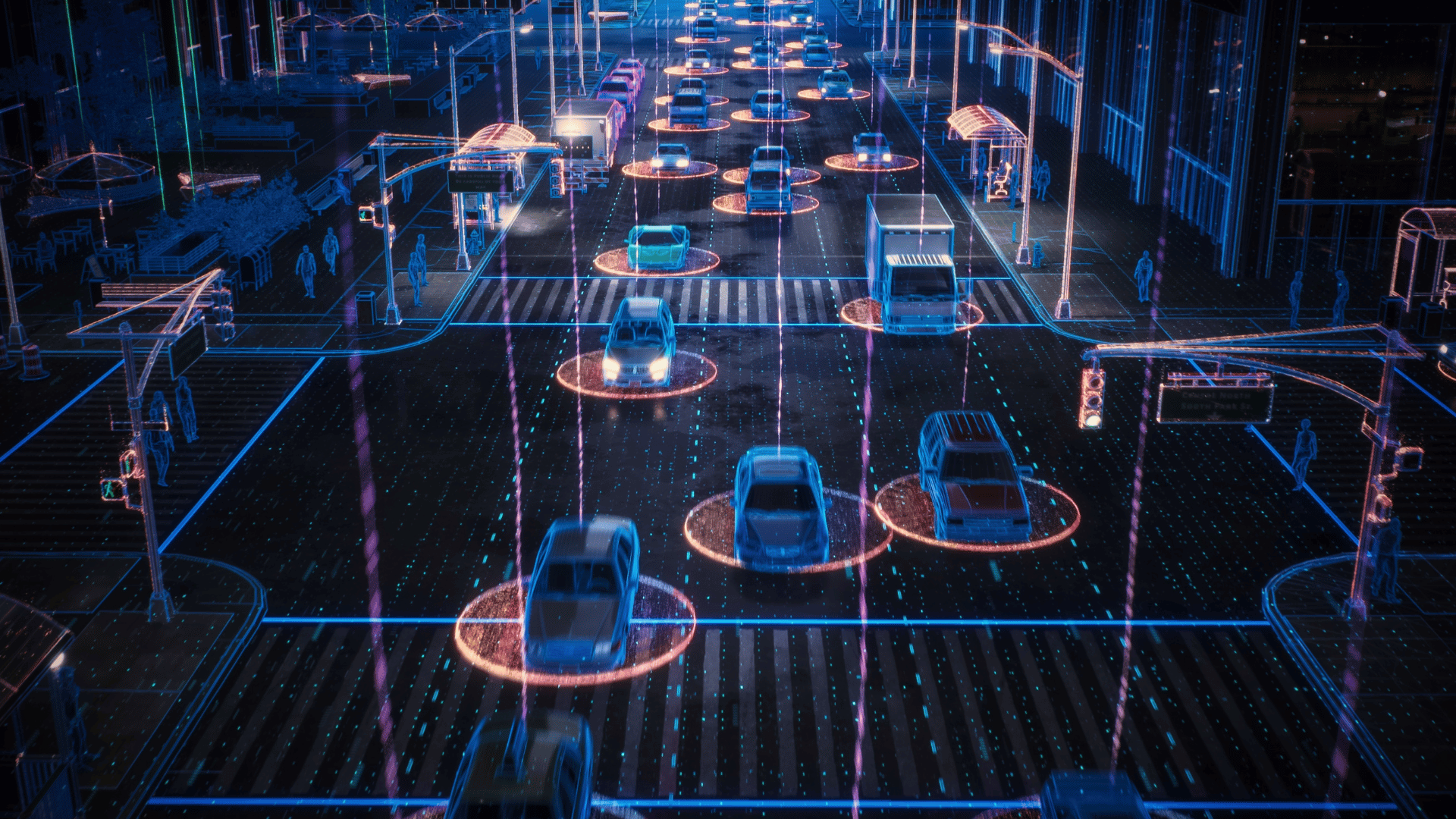
Right now, virtual tools in transport can’t communicate well with each other.
“While digital twin technologies are increasingly being used in transport, it’s very fragmented, and most existing systems focus on specific areas or assets, like electric vehicle charging, traffic management or fleet operations,” said Lead author Dr. Maryam Farsi. “There’s limited interoperability between different modes of transport and few systems address decarbonization.”
Advertisement
To fix this, the team studied over 10,000 records, reviewed more than 100 studies, and worked with experts across three UK universities: Cranfield, the University of Glasgow, and Heriot-Watt University.
“The framework we propose fills this gap by bringing together vehicles, personnel, transport infrastructure, processes, energy and data systems, climate factors, human decision-making and many other elements into a single, standardized digital environment,” Farsi explained.
Testing Ideas on a Digital Twin
The team tested a scenario moving cargo from planes to trucks. The model coordinated electric ground equipment, electric heavy goods vehicles, charging spots, and planes using sustainable aviation fuel while monitoring emissions.
“The framework is designed to incorporate emissions monitoring, energy efficiency analysis and carbon accounting as core capabilities rather than treating them as secondary features,” the authors explained. “This would allow organizations to test different decarbonization strategies virtually before investing in real-world changes.”
This new model is a starting structure rather than a finished product, so it still needs more testing. Cranfield University is leading a project with East Midlands Airport and logistics group DHL to build a demonstrator for air and road freight.
 Read Exclusive Stories
 Bookmark & Save Articles For Later