Researchers kept lab-grown human brain tissue alive and maturing for over five years. The findings, published in Nature, give scientists a new way to look at brain growth.
The human brain develops until we reach age twenty. Previously, scientists had to rely on animal models or donated human tissue to study this process. However, animal brains grow differently than ours, and donated tissue only shows a single moment in time.
This is why researchers want to use brain organoids, which are tissue models made from stem cells. “These models allow us to track development over time and examine how different brain cell types emerge,” said Noelia Antón-Bolaños, Assistant Professor at UMC Utrecht.
Keeping Brain Cells Alive
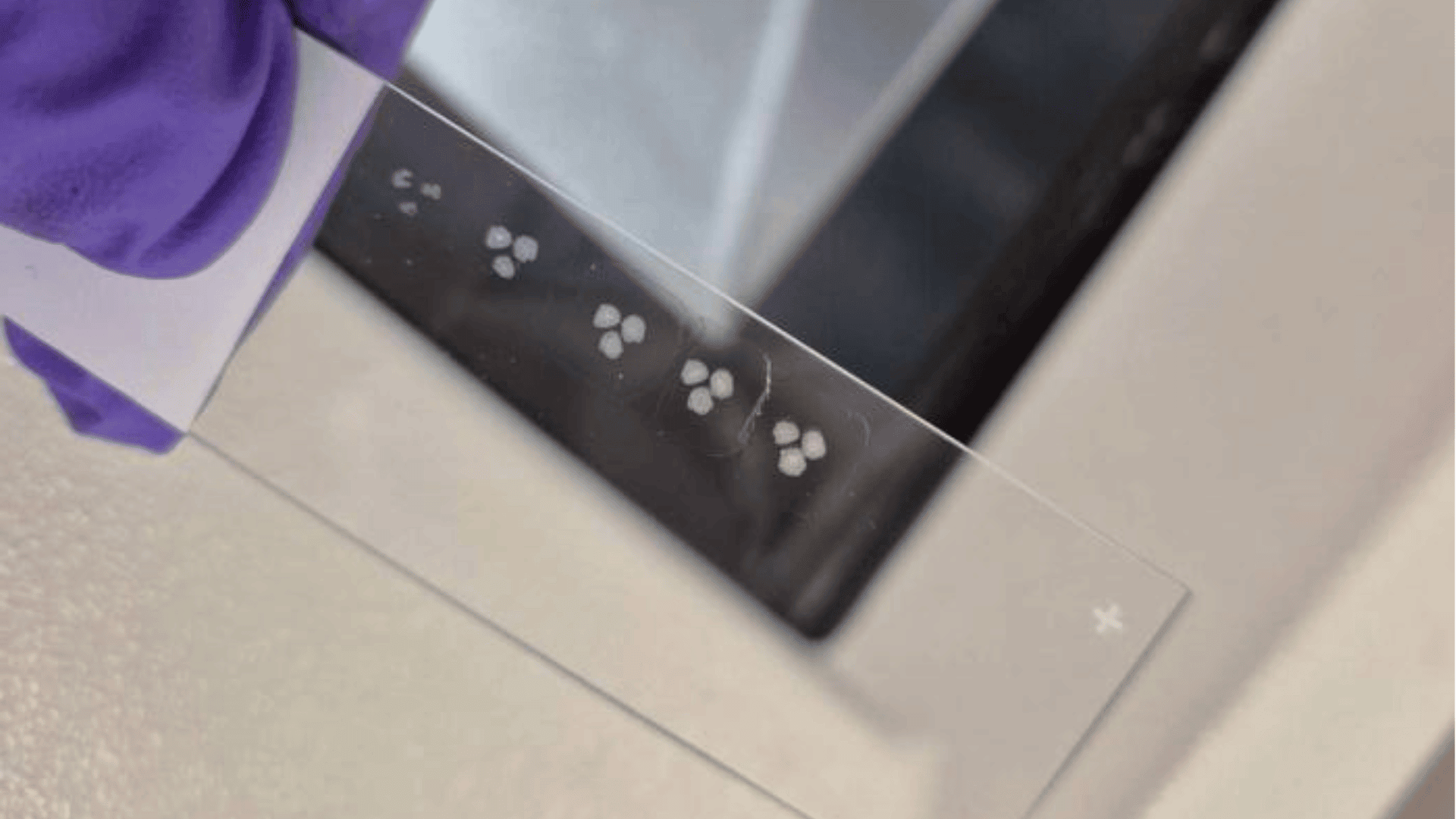
In the past, these cultures died quickly. To fix that, the team changed the liquid the cells grow in.
“During human brain development, neurons display spontaneous activity,” Antón-Bolaños said. “By adapting the composition of the culture medium, we supported that activity, kept the neurons active, and maintained the neuronal populations for much longer.”
After five years, the cells didn’t just survive, they matured on a normal human schedule.
Advertisement
“In the human brain, these epigenetic changes accumulate according to a characteristic developmental pattern,” Antón-Bolaños explained. “We observed the same pattern in the brain organoids. The cells are outside the body, yet they still follow approximately the same developmental timeline as we do—and even more closely than we had anticipated.”
The cells even remembered their own age.
“When we dissociated an older organoid and allowed the cells to grow again, they produced the cell types associated with a late developmental stage,” Antón-Bolaños said. “Yet when we combined older cells with younger cells, the older cells regained the ability to produce neurons—but only the types associated with later stages of development.”
Looking Ahead
This might work for testing treatments for conditions tied to brain development, like autism and schizophrenia.
“If we can identify the signals that reactivate neuron production in older cells, it could provide new ways to study neurodegenerative disorders,” Antón-Bolaños said. “These brain organoids are also highly reproducible. This is essential for using them as disease models and may eventually support drug-testing studies in organoids.”
“We now know that these models have the capacity to continue developing for years,” Antón-Bolaños continued. “The next step is to understand how to provide optimal conditions for that capacity to unfold. That will bring us closer to more faithful models of the human brain.”
 Read Exclusive Stories
 Bookmark & Save Articles For Later