Ever feel instantly calmer just by taking a walk through the trees? It turns out nature does way more than just clear your head for an afternoon.
A massive new study just dropped in The Lancet Planetary Health, and it shows that well-maintained urban woodlands can actually lower the use of antidepressants and anti-anxiety meds.
Researchers at the Universities of Edinburgh and Glasgow analyzed data from over 129,000 people over five years. They wanted to see if living near a local wood made any difference to people’s mental health.
Here is the kicker: people living in deprived urban areas near a welcoming woodland were 10 percent less likely to be prescribed antidepressants. They were also six percent less likely to get prescriptions for anti-anxiety meds compared to folks living further away.
And the team didn’t just look at a map once. They tracked the same people over time. When someone packed up and moved closer to a better woodland, their need for medication actually decreased.
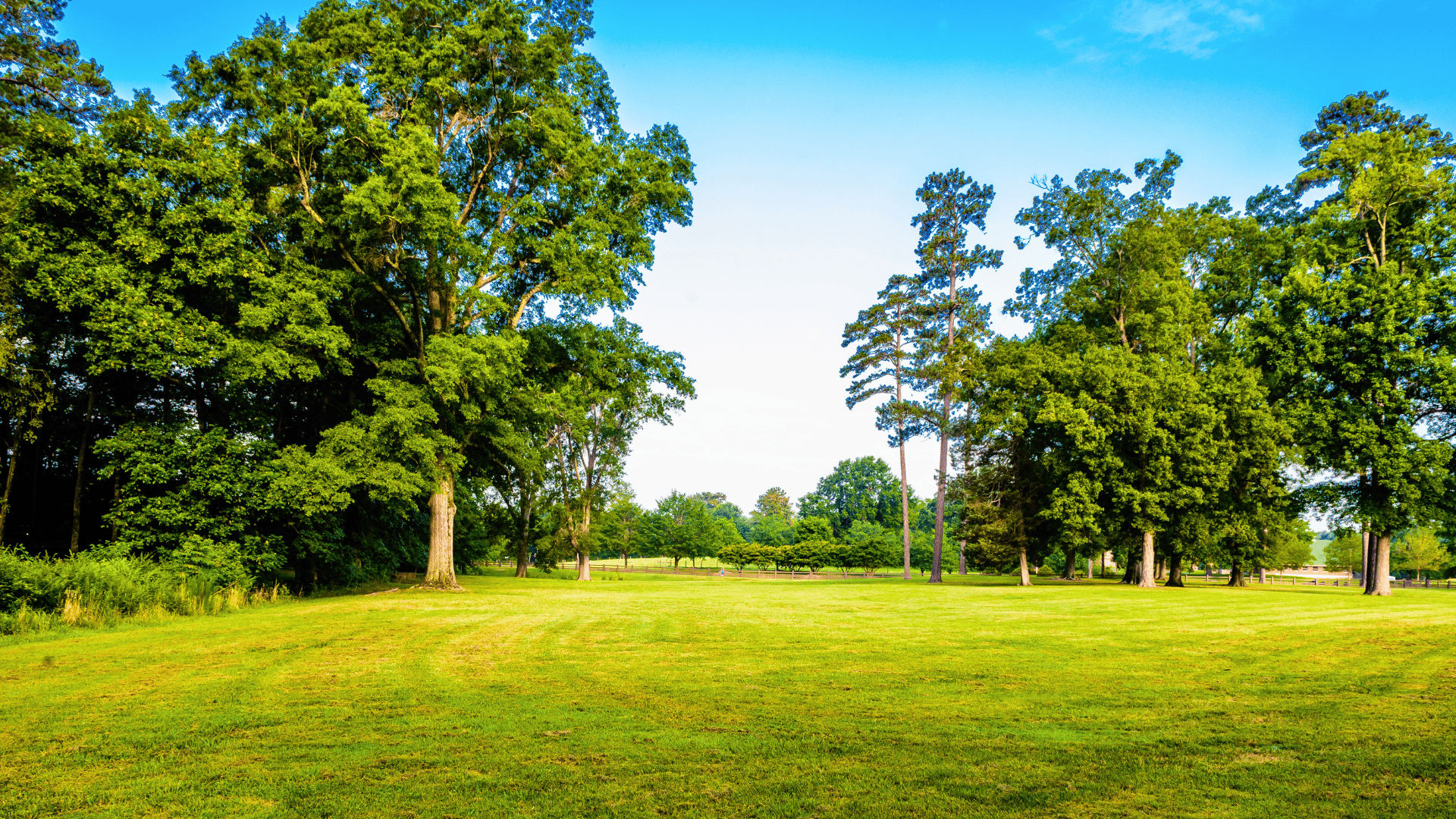
Scottish Forestry funded these woodland fixes through an initiative called Woods In and Around Towns, or WIAT. They spent money on simple upgrades like new footpaths, better signs, and community events to make neglected spaces feel safe and welcoming.
Advertisement
Professor Catharine Ward Thompson, who led the study, put it best: “The research provides stronger evidence on the mental health benefits of woodland improvements for local communities than was possible in earlier studies. It also shows that these benefits may contribute to reducing inequalities in health across the population.”
Mental Health and Green Spaces
Around one in eight people globally live with a mental health condition. People in poorer communities get hit the hardest, and they usually have the least access to decent parks and green spaces.
Dr Scott Ogletree, who ran the numbers for the study, explained why this matters for the future: “Our results tell us that relatively modest investments in local green spaces can make a real difference to people’s mental health. Nature-focused initiatives like WIAT can be a valuable tool to complement ongoing efforts to improve wellbeing and mental health.”
Government officials are taking notice, too. Jim Fairlie, Scotland’s Minister for Agriculture, Marine and the Islands, sees this as proof that green spaces deserve more funding.
“This groundbreaking study provides further compelling evidence of the benefits that local woodlands deliver for people and communities,” Fairlie said. “The association between the investment in woods in and around Scotland’s towns and cities, and lower prescription use for depression and anxiety, highlights the importance of continuing to expand, manage, and improve these valuable green spaces.”
This study gives cities a clear roadmap. Planting trees and cleaning up local parks isn’t just about making a neighborhood look nice. It is a practical, low-tech way to build healthier communities from the ground up.
 Read Exclusive Stories
 Bookmark & Save Articles For Later