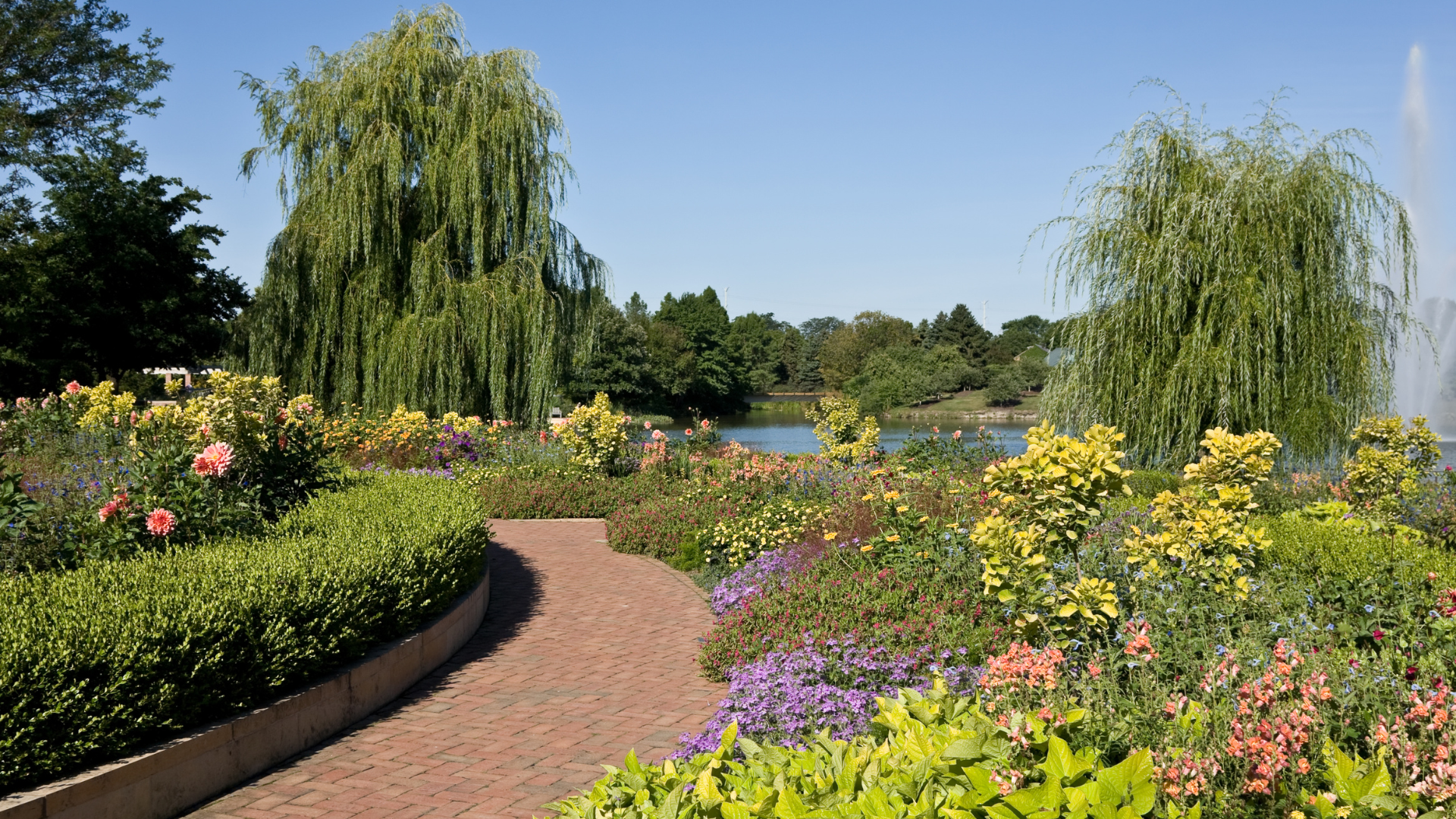
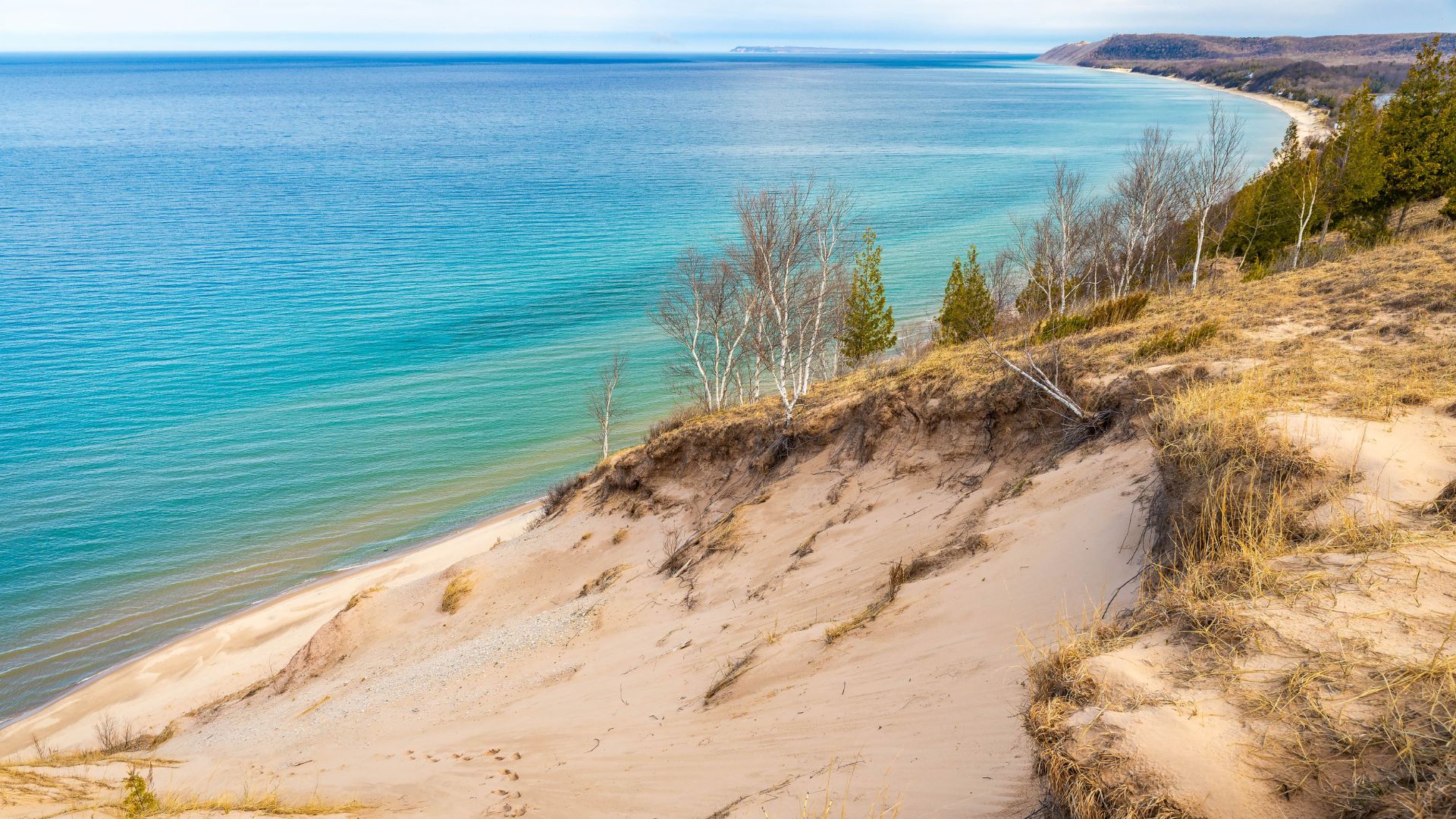
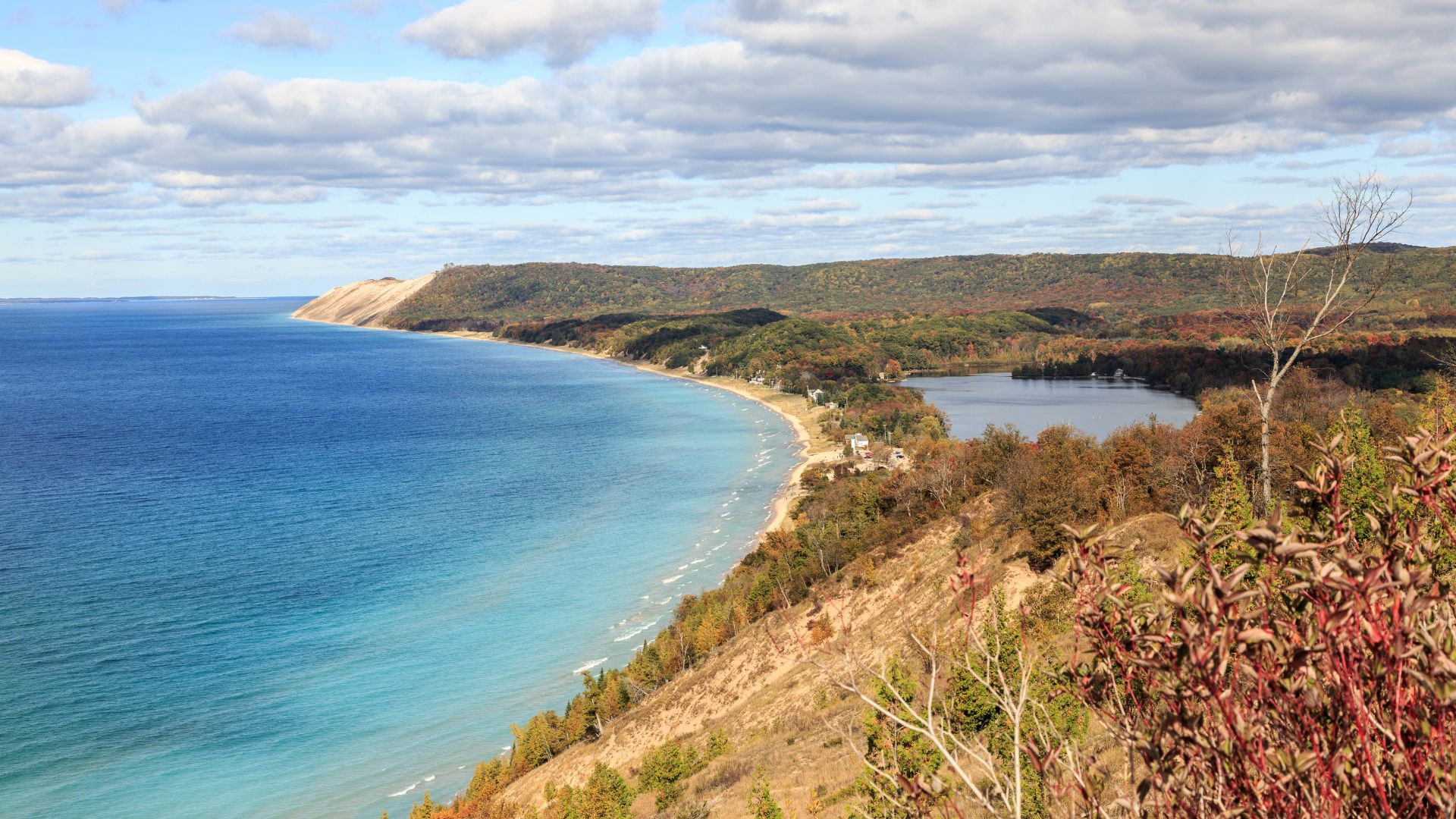
Standing on the edge of Sleeping Bear Dunes in Michigan feels weird. You look out over the water, and it looks exactly like the ocean. The water is deep blue and stretches all the way to the horizon.
But you are standing in the Midwest, looking at Lake Michigan. And the sand beneath your feet sits 450 feet above the water. It is a massive coastal desert right next to a giant freshwater lake.
Left Behind by Ice
The story of these giant dunes starts during the last Ice Age. Huge glaciers moved across North America, pushing dirt, rocks, and sand along like a giant bulldozer.
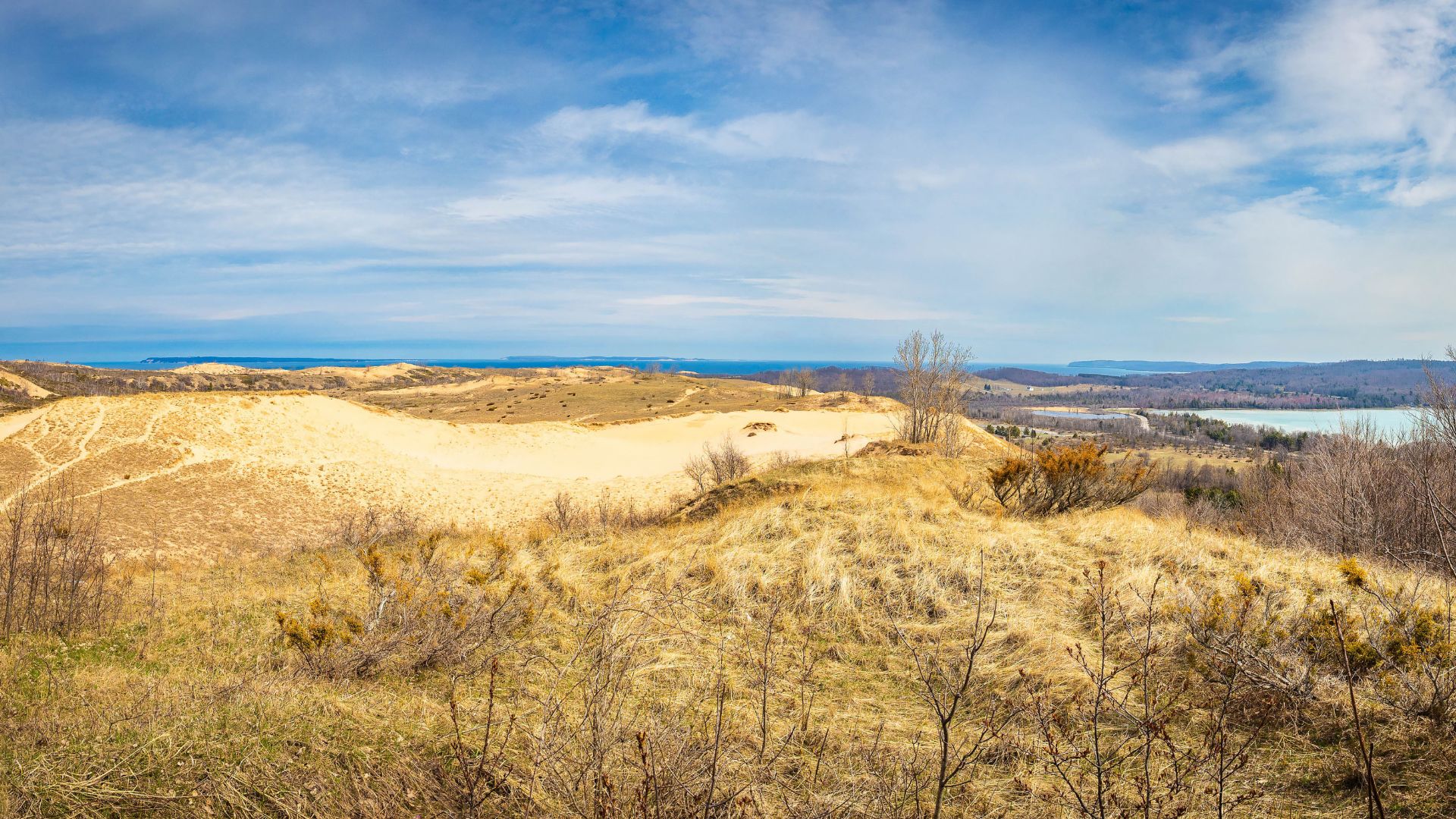
When the ice finally melted, it left all that debris piled up in massive hills called moraines. Over thousands of years, strong winds from Lake Michigan blew loose sand off the beaches and pushed it up onto these rocky hills. The sand piled higher and higher over the rocks.
Today, you get steep cliffs of pure sand that drop straight down toward the water. It takes a lot of effort to climb them. Many people run down the steep slopes just for fun. But getting back up the 450-foot hill of loose sand is extremely difficult and time-consuming.
A Moving Landscape
Here is the thing about sand dunes. They do not stay still.
Advertisement
The wind off Lake Michigan is strong and constant. It picks up dry sand from the lakeside and blows it over the top of the hills. This means the dunes are slowly marching inland. Some of the dunes move a few feet every single year.
As they push forward, they bury everything in their path. You can actually see ghost forests scattered around the park. These are dead trees sticking out of the sand. They were completely buried by the moving dunes decades ago. Now, the wind has shifted the sand just enough to uncover their dead trunks again.
Holding the Sand Together
Not all of the sand is blowing away, though. Beach grass plays a major role in stabilizing the area.
The grass has massive root systems that reach deep down into the dunes. These roots act like a net. They hold the loose sand in place even when a bad winter storm hits the coast.
But the grass is fragile. If too many people walk on it, the roots die. When the roots die, there is nothing left to hold the sand. The wind just blows that entire section of the dune away. That is why the park constantly tells visitors to stay on the designated trails and leave the grass alone.
 Read Exclusive Stories
 Bookmark & Save Articles For Later