Have you ever wondered why a song can instantly change your mood? You press play on a fast beat, and your energy jumps. You put on a quiet track, and your body relaxes. Sound shapes our feelings in powerful ways. Scientists and music creators use audio technology to design soundscapes that tap directly into human emotion.

How Sound Takes a Shortcut to the Brain
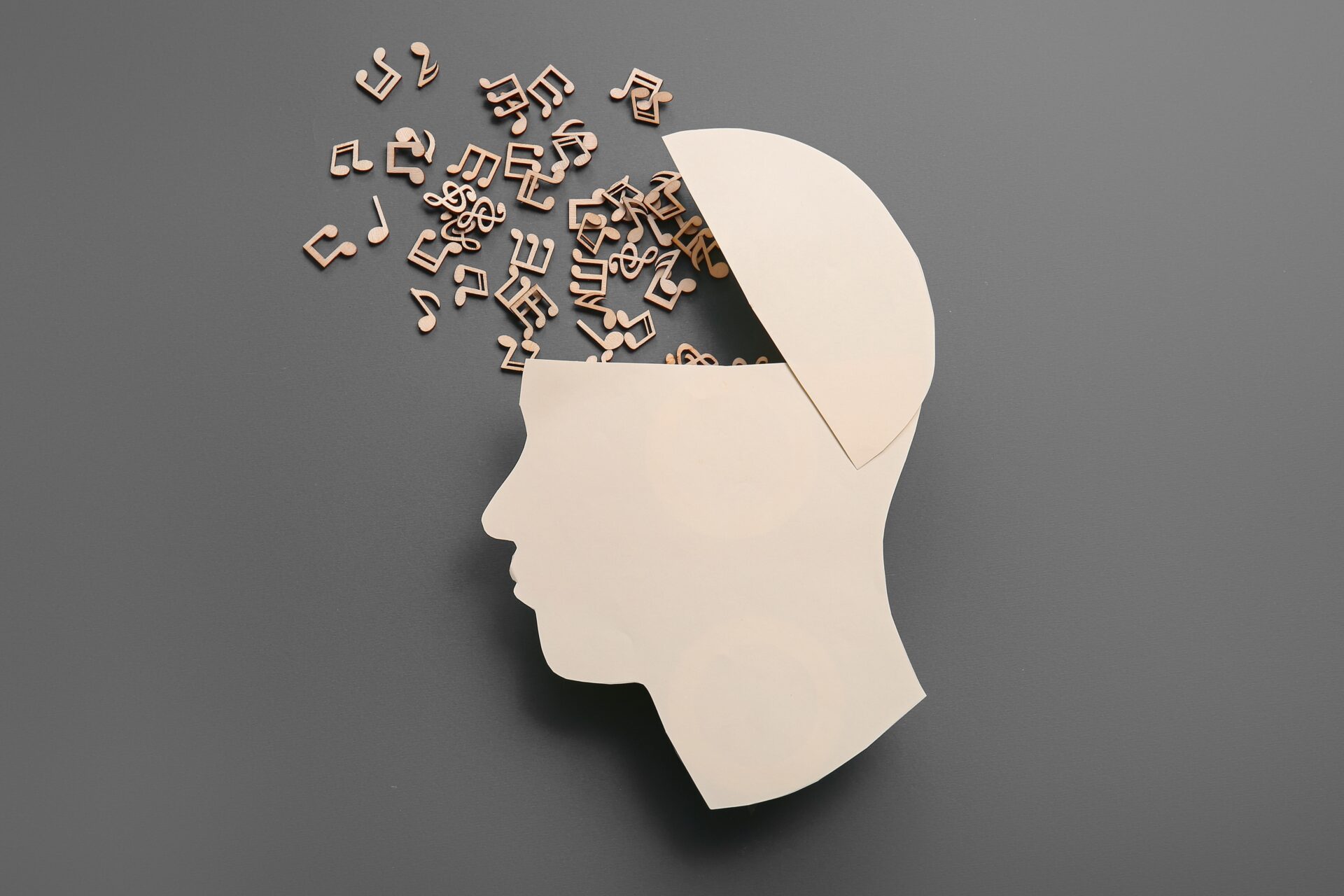
Audio creation starts in the brain. When sound waves hit your ears, your brain turns those vibrations into electrical signals. These signals bypass your logical thinking centers and head straight to your limbic system. That is the part of your brain that processes fear, joy, and memory. Because sound gets fast-track access to these emotional centers, a single chord can trigger a physical reaction before you consciously register what you heard.
How Creators Mirror Human Voice
Music creators know this, and they use specific tools to guide how we feel. Think about how music mirrors human speech. Sad tracks usually feature slow tempos, quiet volumes, and minor keys. These traits mimic the soft, hesitant cadence of a tired or grieving voice. Upbeat songs use rapid tempos, sharp rhythms, and bright tones. That sounds like an excited friend telling a great story. Your brain detects those patterns and mirrors the feeling through a process called emotional contagion.
The Tech Behind Dopamine Hits and Goosebumps
Advertisement
Modern audio technology takes this creation process even further. Engineers adjust subtle elements in sound files, such as acoustic spatialization and dynamic frequency response. These tweaks build digital environments that pull listeners into specific emotional states. For example, sudden changes in a beat trigger tiny surges of dopamine. Your brain constantly tries to predict what comes next. When a song sets up a rhythm, delays the payoff, and then lands the beat, your brain releases dopamine as a reward. That pattern of tension and relief triggers physical reactions such as goosebumps.
Syncing Heartbeats with the Beat
Beyond mood, sound actually changes your physiology through rhythmic entrainment. Your heart rate, breathing, and motor system naturally try to match the rhythm of what you hear. High-tempo percussion speeds up your pulse and releases adrenaline. Slow, steady rhythms calm your nervous system. That reduces stress hormones and lowers your heart rate.
Creators use these biological facts to design music for health, focus, and relaxation apps. Audio engineers can fine-tune soundscapes using AI algorithms to help people reduce anxiety or stay locked into deep work.
Sound is more than entertainment. It is a precise tool for shaping human experience. By combining neurobiology with creative audio production, we can design environments that change how we think, feel, and focus every day.
 Read Exclusive Stories
 Bookmark & Save Articles For Later