Humans have been carving designs into glass for centuries. Roman artisans used copper wheels and abrasive sand to etch patterns into cups back in the first century. Artists and manufacturers use everything from high-speed dental drills to lasers to etch smooth glass surfaces.
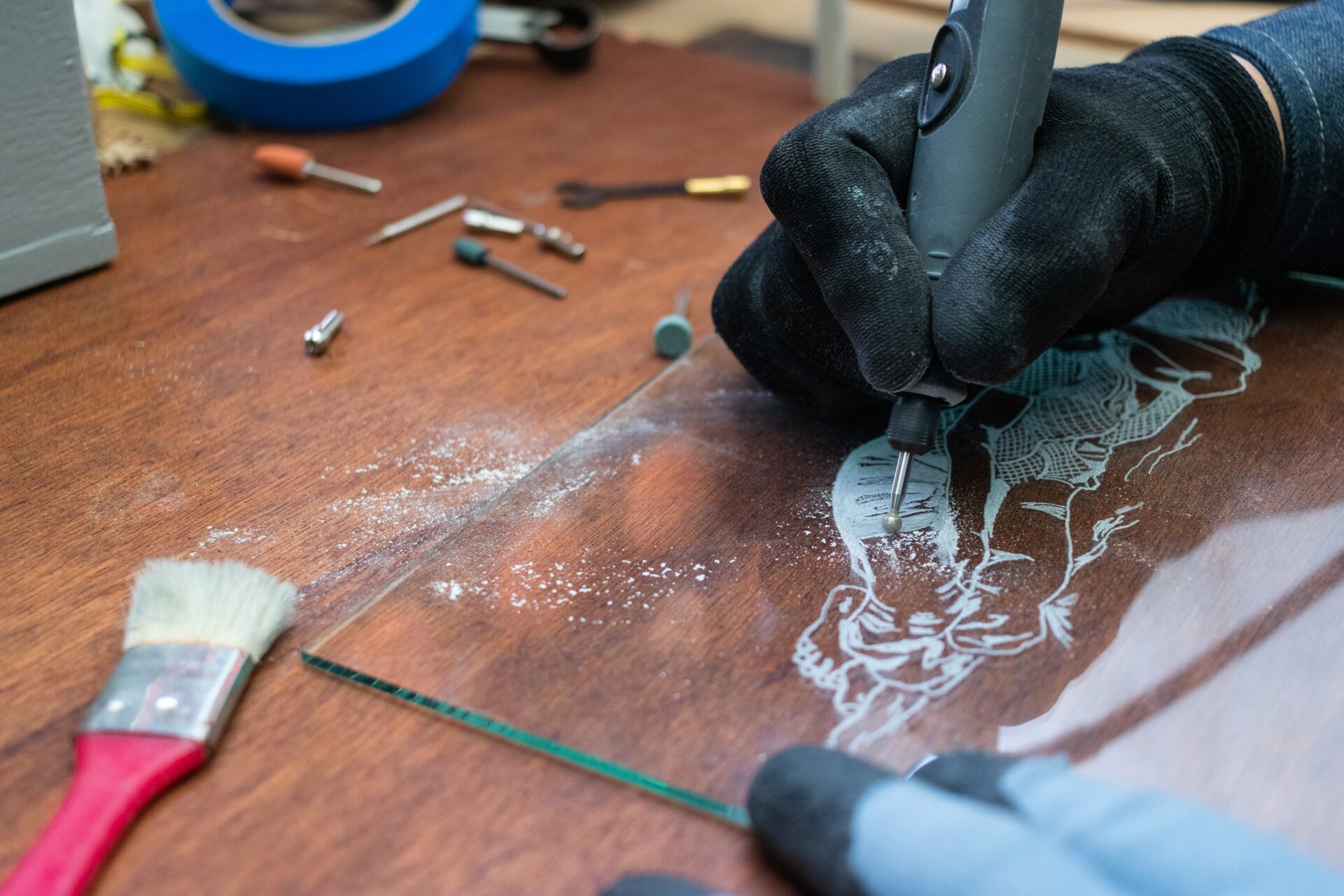
While glass engraving looks like pure art, the process relies heavily on material science and smart tools. Modern technology is making this traditional craft safer, faster, and far more precise.
Understanding the Friction Science
Glass is hard, but it is also extremely brittle. When an engraver carves a pattern into a wine glass, they aren’t slicing through the material like wood. They are actually creating microscopic fractures on the surface.
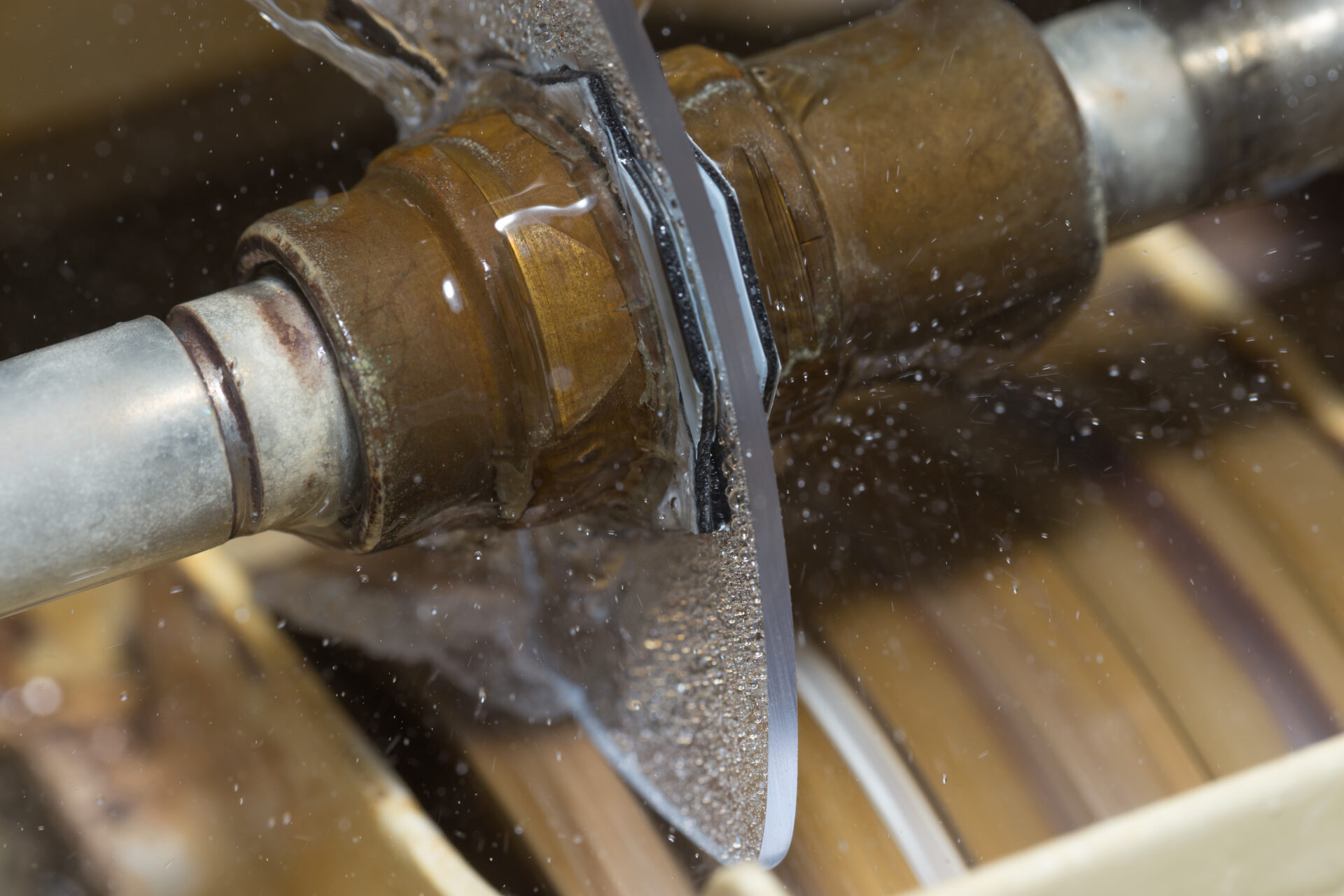
To grind away glass without shattering the entire piece, modern artists use rotary bits coated with industrial diamond dust. Diamond is the hardest natural material on Earth, ranking a 10 on the Mohs hardness scale, while standard glass sits around 5.5. Because the diamond grit is so hard, it can chip away micro-layers of glass without putting heavy pressure on the object.
Keeping Cool with Water Loops
Friction creates heat fast. If a spot of glass gets too hot while the rest stays cold, thermal shock can cause the glass to crack instantly.
Advertisement
That’s why modern workshop tools use continuous water lubrication systems. A steady drip of water over the carving site cools the glass down and washes away debris. Water also keeps dangerous silica dust out of the air. According to OSHA safety guidelines, breathing in dry silica dust from ground glass can cause serious lung damage over time, making a wet-carving setup essential for workshop safety.
Precision Lasers and Robotics
Hand engraving takes years of practice to master, but automated factory tools have simplified mass production.
Laser engravers use focused beams of light to instantly heat microscopic sections of the glass surface. The extreme heat causes tiny steam pockets to expand inside the glass, popping off a clean, frosted top layer in milliseconds. Computer numerical control (CNC) machinery guides the laser using digital files. This allows companies to etch intricate custom logos onto thousands of bottles per hour with zero hand labor.
Eco-Friendly Sandblasting
For larger items like shower doors or architectural panels, sandblasting is the preferred method. High-pressure air streams shoot fine abrasive grit through stencil masks to frost specific areas.
Older setups used silica sand, which created health hazards and environmental waste. Today, shops use recycled crushed glass, aluminum oxide, or garnet grit instead. These materials can be vacuumed up, filtered, and reused dozens of times, keeping hazardous waste out of landfills.
From diamond-tipped drills to automated laser beams, glass engraving is a perfect blend of artistic expression and physical science. The next time you hold an etched glass, remember the high-tech physics that made those details possible.
 Read Exclusive Stories
 Bookmark & Save Articles For Later