Long before 3D printers existed, humans had a big problem. They wanted to make complex metal shapes—like detailed statues, delicate jewelry, or strong tools—but solid metal is tough to carve. Cutting a block of bronze into an intricate shape takes forever, and one wrong slip ruins the entire project.
An Ancient Trick That Worked
So, creators thousands of years ago came up with a clever trick: sculpt your design in soft wax first, cover it with clay to form a mold, then melt the wax away.
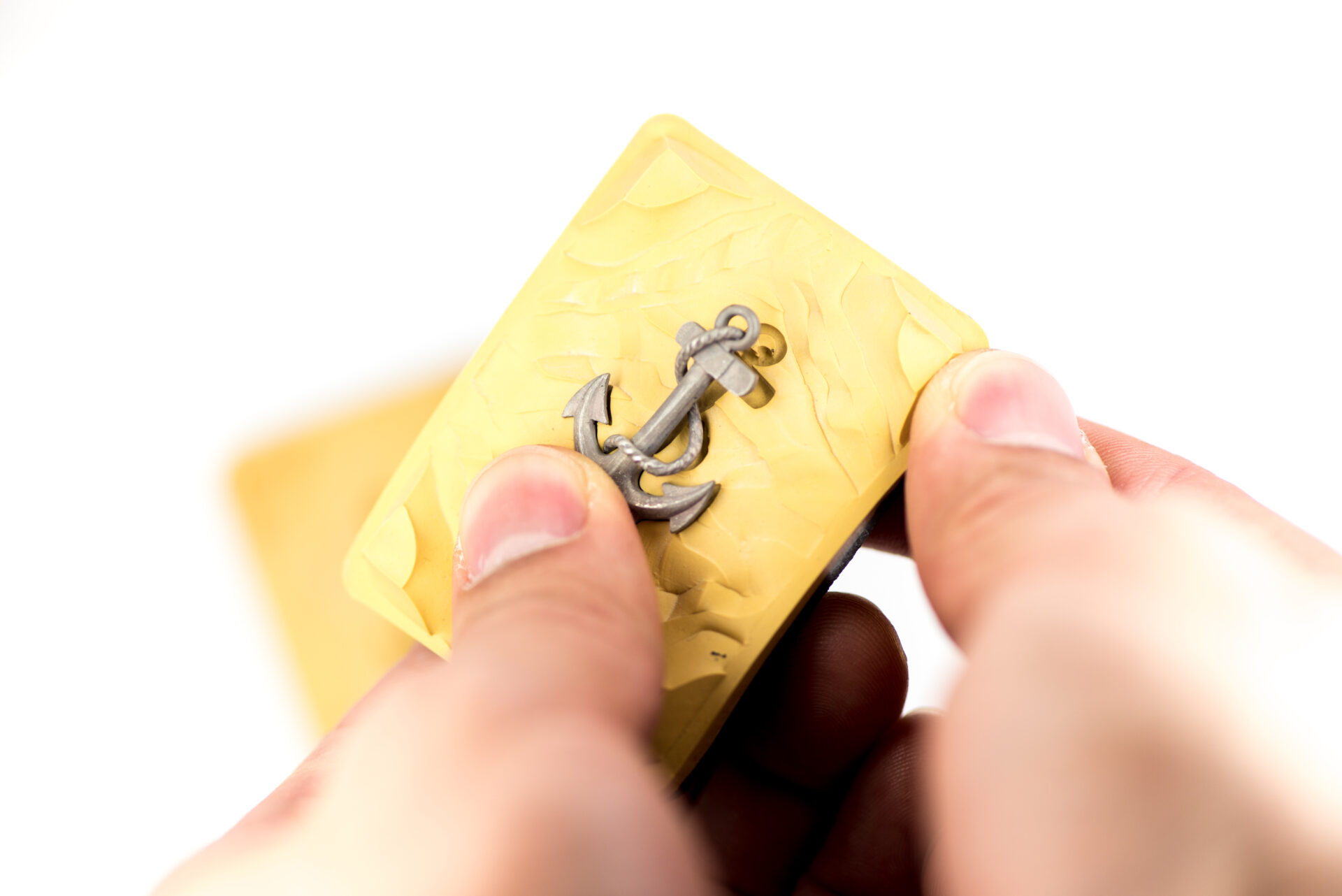
This process is called lost-wax casting. Archeologists have found lost-wax artifacts in Pakistan that date back over 6,000 years, including a copper wheel amulet from around 4000 BCE. Ancient creators across Egypt, Greece, West Africa, and South America used this exact method to cast everything from gold ornaments to massive bronze statues.
How the Process Works
The process takes patience, but the steps are surprisingly straightforward:
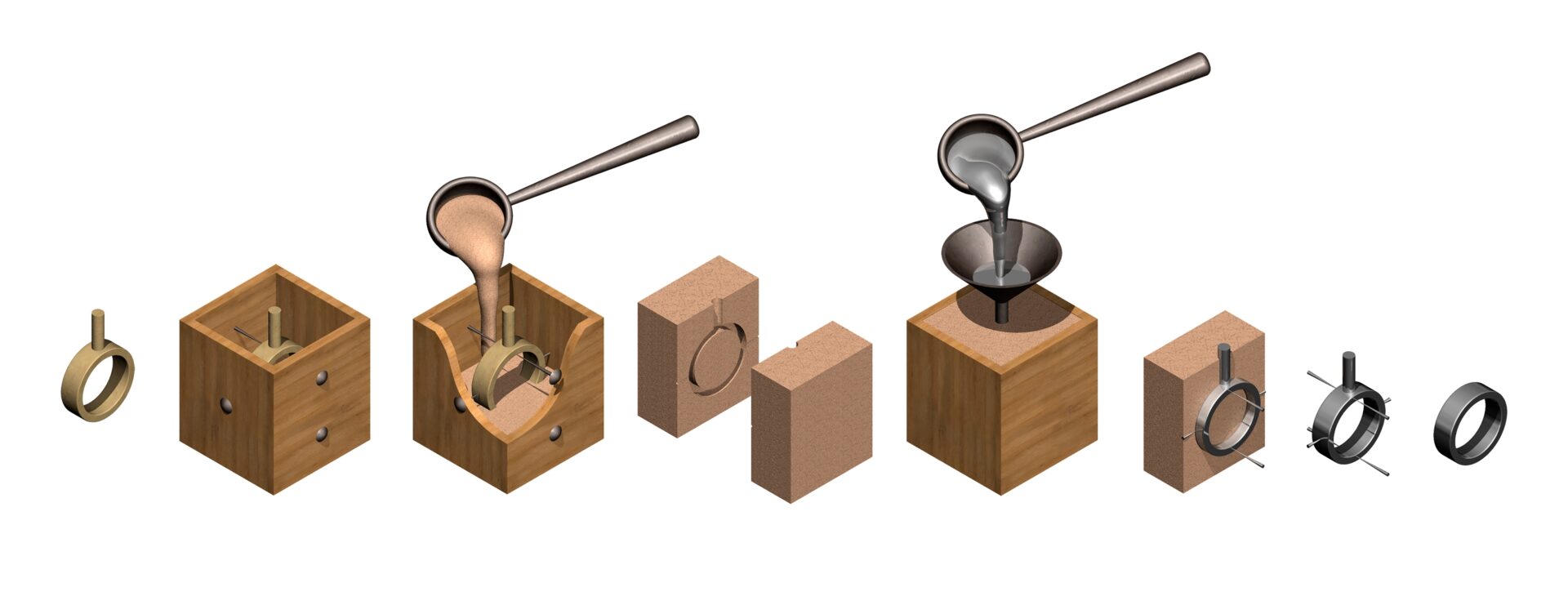
- Sculpt the pattern: carve your design from wax or sculptable paraffin.
- Build the shell: You dip the wax model into liquid ceramic slurry and coat it in fine sand, building up a thick casing.
- Melt it out: You heat the ceramic block in a kiln. The wax inside melts and runs out, leaving a hollow space behind.
- Pour the metal: You pour liquid bronze, gold, or steel into that hot hollow shell.
- Break the mold: Once the metal cools, you smash the ceramic shell with a hammer to reveal the piece inside.
Advertisement
It is the ultimate STEAM project, half studio art, half materials science. Because liquid metal fills every tiny crack of the ceramic mold, the final piece preserves the smallest details from the original wax carving.
Modern Science Meets Ancient Art
You might think a 6,000-year-old manufacturing method would be outdated by now. But lost-wax casting remains one of our best techniques for making high-precision metal parts.
Take a look inside a modern jet engine. The turbine blades operate under extreme heat and stress, so they need internal cooling channels running through their centers. Machinists cannot easily drill those hidden curved pathways into super-alloys with standard tools. Instead, aerospace engineers cast those blades using lost-wax methods.
The biggest modern upgrade comes from additive manufacturing. Rather than hand-carving wax for weeks, designers now create digital 3D models on computers and print them using castable resin. Once printed, the resin goes through the traditional ceramic casing and burnout steps.
From ancient copper amulets to aerospace hardware, lost-wax casting shows how smart physical ideas stick around. By combining basic chemistry with creative design, this ancient technique continues to help us turn imagination into physical reality.
 Read Exclusive Stories
 Bookmark & Save Articles For Later