Texas features a unique energy market shaped by deregulation, a competitive retail landscape, and rapid renewable energy expansion. With approximately 85% of residents able to choose their power provider, energy shopping functions like a dynamic digital marketplace. Today, the rollout of smart grid technology is transforming electricity from a passive monthly bill into an active, data-driven financial decision.
Why Texas Is the Test Case for Energy Choice
Unlike regulated markets where a single utility manages both delivery and billing, Texas separates these roles. Retail providers compete for customers, while ERCOT operates the physical transmission network.
Simultaneously, the grid’s generation mix is shifting. Wind and solar now supply a substantial share of ERCOT’s daily electricity. At the same time, statewide power demand is surging due to population growth, electrification, and large-scale AI data center development. Balancing variable renewable generation with unprecedented demand requires far more dynamic management tools than traditional infrastructure can provide.
How Smart Grids Change Household Energy Use
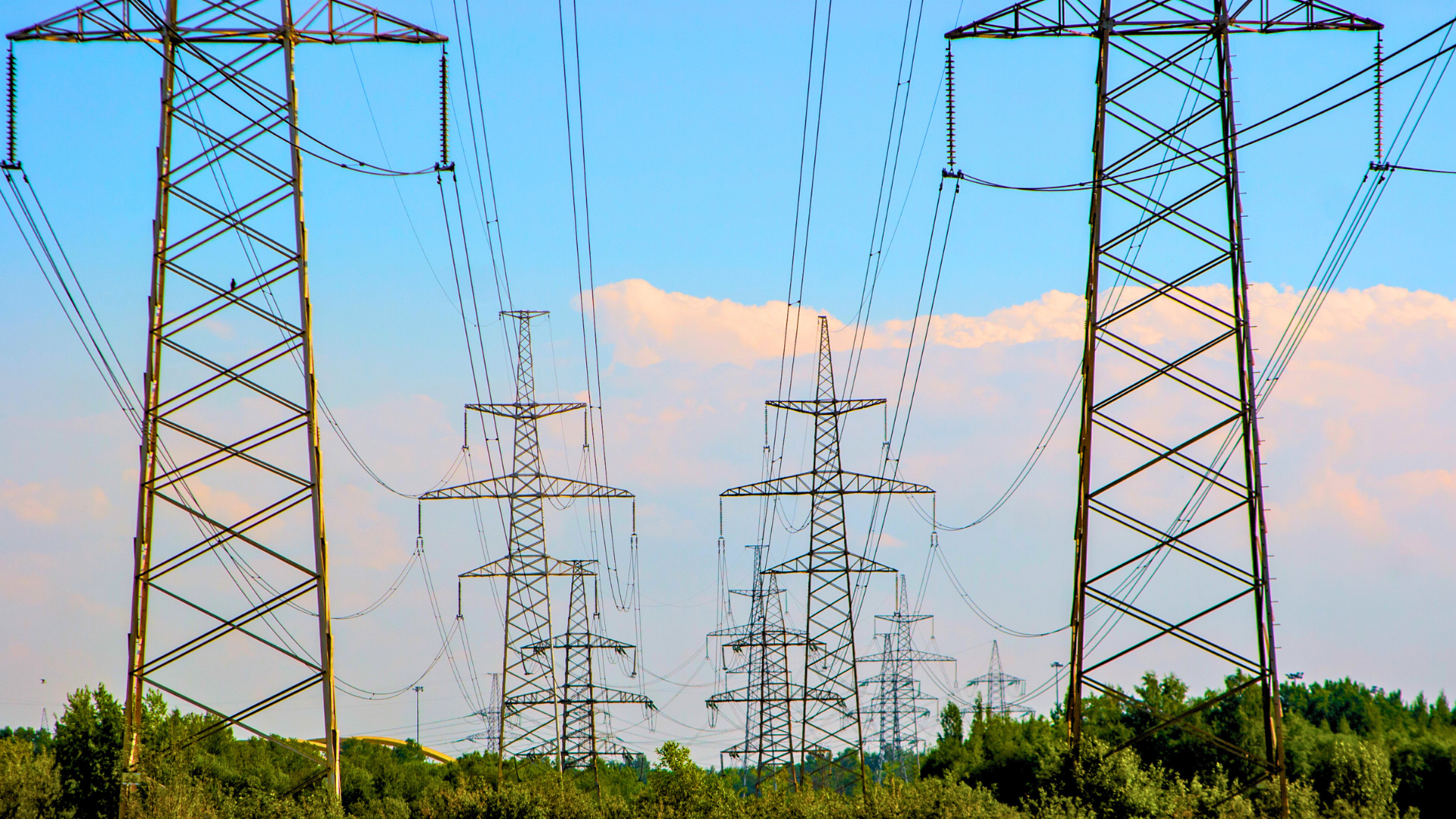
Traditional power grids relied on one-way delivery from centralized fossil-fuel plants, offering consumers minimal visibility into their consumption. Modern smart grids establish a two-way, data-rich system using digital sensors, automated controls, and smart meters that log usage in 15-minute increments.
This granular visibility gives households greater control over energy expenses. Rather than paying a flat rate based on total monthly volume, consumers can use mobile apps and real-time tracking to adjust heavy appliance use around peak pricing periods.
Advertisement
Comparing Providers Beyond the Headline Rate
Historically, most Texans selected a provider solely by hunting for the lowest advertised rate per kilowatt-hour. However, low teaser rates often obscure restrictive contract terms, usage thresholds, or hidden fees. Today’s buyers increasingly evaluate providers on app functionality, demand-response incentives, and pricing transparency.
Innovative retail providers like Rhythm Energy reflect this shift, making it easier for customers to evaluate plan structures, solar buybacks, and time-of-use options. When comparing Electricity Plans, Texas residents must look beyond basic price points to select contracts aligned with actual household behavior—such as scheduling EV charging, automating smart thermostats, or utilizing residential solar systems.
Smarter Buying in a Stressed Network
As evening solar generation drops during peak summer heat, when electricity is consumed becomes as critical as how much is used. Consumers are increasingly acting as active grid participants by shifting flexible household loads away from high-demand windows.
Ultimately, smart grid technology enables Texans to optimize household budgets while contributing to a cleaner, more resilient power network. Choosing an electricity provider is no longer just a passive purchase—it is a tool for smart home management.
This is a sponsored post by IKMN Digital. All reviews and opinions expressed in this post are not based on the views and opinions of Tomorrow’s World Today.
 Read Exclusive Stories
 Bookmark & Save Articles For Later