About 200 million people worldwide deal with blinding diseases like age-related macular degeneration (AMD) and retinitis pigmentosa. In these conditions, the eye’s light detectors die off. Current treatments like implants are invasive and expensive, and gene therapy only helps a few people.
To address this, a group led by the Institute for Bioengineering of Catalonia (IBEC) developed a new class of light-responsive drugs called prosthe6.
How the Drugs Work
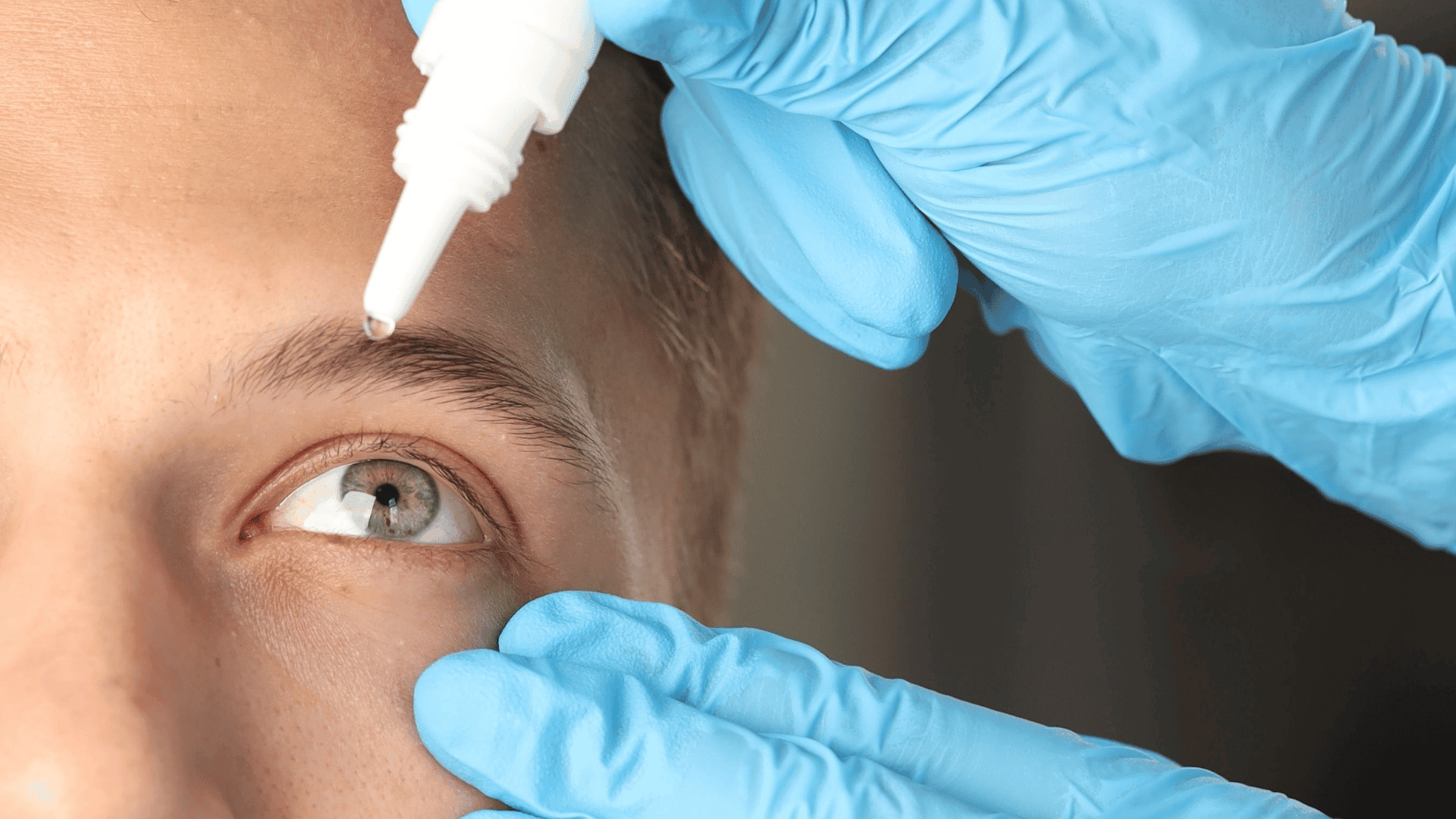
These compounds act like molecular light switches instead of surgical implants or genetic modification. They can be given through a standard injection or even just eye drops to target a preserved, underlying part of the retina to help the eye process everyday light.
“In healthy vision, ON bipolar cells play a key role in passing on information about the presence of light to the rest of the visual circuit,” Pedro de la Villa, co-leader of the study, explained. “In degenerative eye diseases, although the photoreceptors are lost, much of this underlying circuitry remains intact but inactive. This creates a major therapeutic opportunity.”
The drugs step in to do the job of the missing cells.
Advertisement
“Our goal was to restore vision using a molecular mechanism that is as close as possible to how the healthy retina works,” Rosalba Sortino, a post-doctoral researcher at IBEC, said. “Instead of bypassing retinal processing, we aimed to reactivate it right at the same level of the retinal circuit than the lost photoreceptor cells.”
Real Results in Blind Mice
The team tested these molecules on blind mice. Healthy mice instinctively hide from bright light, while blind mice wander anywhere because they can’t tell the difference. After receiving prosthe6, the blind mice preferred dark areas again, proving they could perceive regular indoor light.
“These molecules do not cure blindness, because they do not address the cause of photoreceptor degeneration,” said Pau Gorostiza, a researcher at IBEC. “But they are remarkably effective at restoring sight, and they do so using a very simple and potentially patient-friendly approach.”
A spin-off company, Eyelumina, is now seeking funds for future clinical trials.
“Turning this into a therapy is a long and laborious process,” Gorostiza added. “But the results show that there is a realistic possibility of restoring high-quality vision with drugs, non-invasively, reversibly and with a mechanism that is independent of the specific retinal disorder or genetic mutation to reach a majority of patients.”
 Read Exclusive Stories
 Bookmark & Save Articles For Later