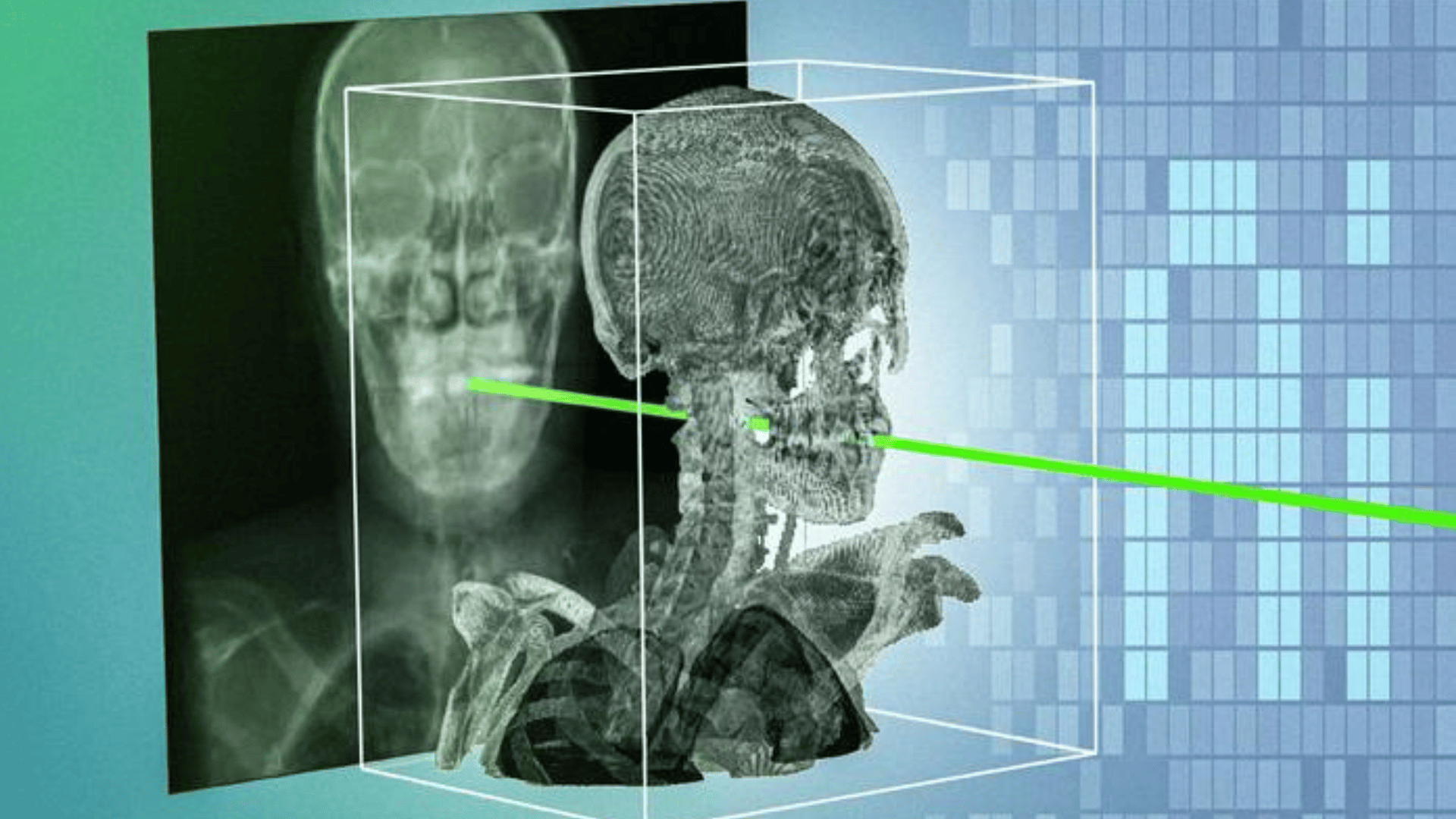
Cancer tumors hold active cells, immune cells, and blood vessels. However, they also contain quiet, non-active cells, which make cancerous tumors extremely complicated. Several institutions gathered a team of researchers to map breast tumors and the dormant cells. This team included researchers from the MRC Laboratory of Medical Sciences (LMS), Imperial College London, and UCL Genetics Institute.
Researchers found that some cancer cells hit pause when a tumor gets crowded and lacks nutrients.
“Quiescent cancer cells are very dangerous,” explained Dr Alexis Barr, co-lead author and head of the Cell Cycle Control group at the LMS. “These cells can hide from chemotherapy and then remain in this dormant quiescent state in the tumor, and then later reactivate to drive proliferation.”
Dr. Barr continued, “If we want to achieve long term control of peoples’ tumors and prevent tumor relapse, we have to focus on these dormant quiescent cancer cells, and have to understand more about them.”
Shielding the Quiet Cells
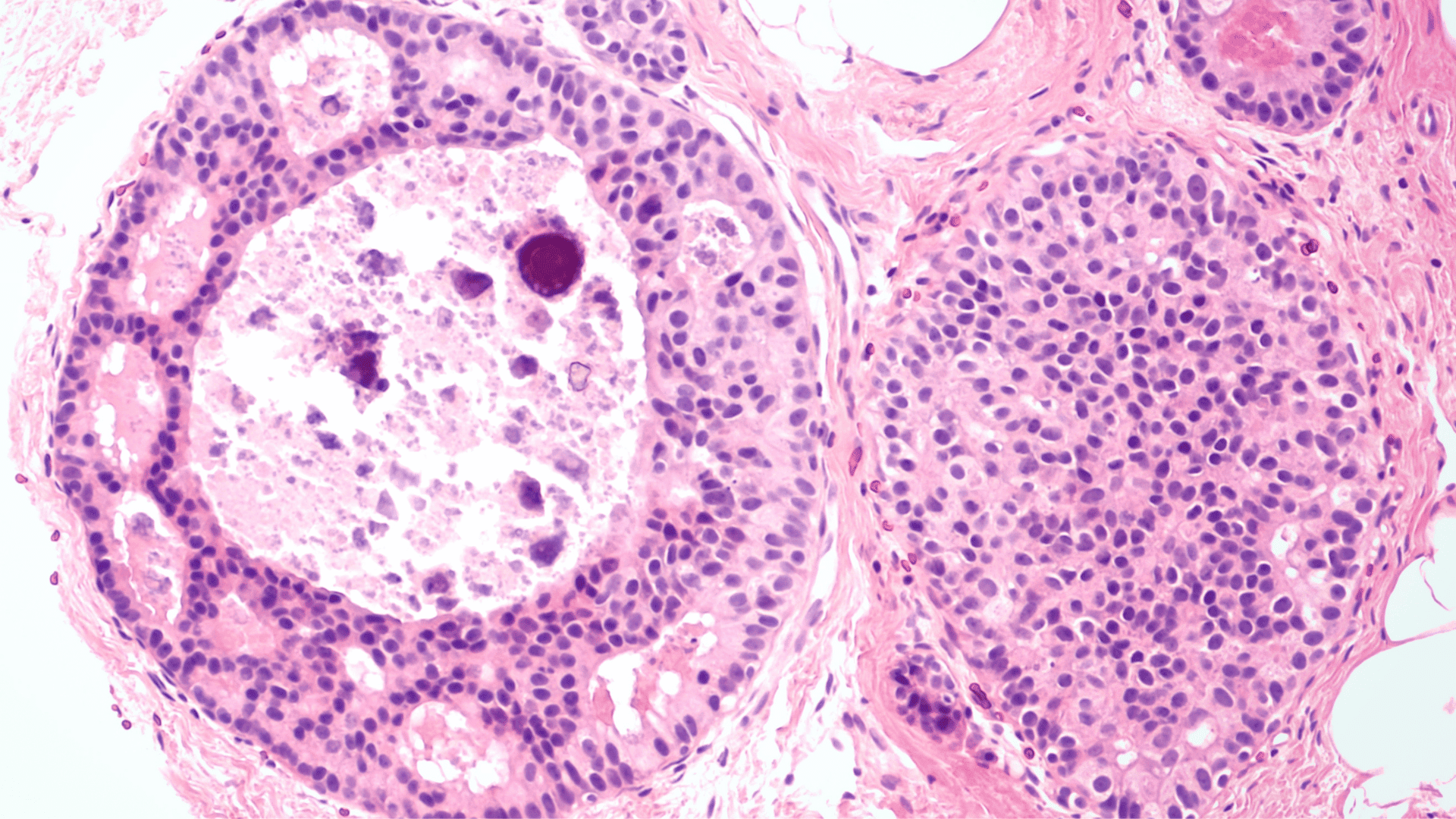
When researchers mapped the tumor, they found dormant cells living in specific pockets, protected by neighboring clusters of immune and support cells. This wall of protection acted like a physical barrier.
Advertisement
“The cancer cells are really encapsulated within these areas of macrophages and fibroblasts that we think act as shields for these dormant cancer cells,” said Dr. Maria Secrier from UCL. “But we don’t yet know the direction of cause and effect: whether the surrounding cells push cancer cells into dormancy or if the cancer cells attract or alter their surroundings. It’s very likely coming from both sides.”
According to the researchers, and much to their surprise, the shielded cells were there before the patient received drugs.
“We found cells that resemble therapy-resistant cells already residing in the tumor before we give any treatment,” said Maria.
Treating the Whole Tumor
A major problem with most chemotherapies is that it targets fast-growing cells, but leaves behind the hidden, quiet ones. That’s why the research team wants to test new drugs that attack both active cells and the protective “shields” holding the dormant ones.
“Different parts of the tumor will likely respond to different drugs,” said Maria. “If we understand what drug combinations we can use to target both the proliferative and the dormant areas, potentially that could be more successful than current therapies. This is giving us a first insight into how we can then intervene with different therapeutics that specifically target different areas of the tumor where the cells have adapted and have evolved differently.”
Alexis added, “It is clearly important to focus on proliferative cancer cells, but we also need to understand this population of quiescent dormant cancer cells. And that’s been less studied.”
 Read Exclusive Stories
 Bookmark & Save Articles For Later