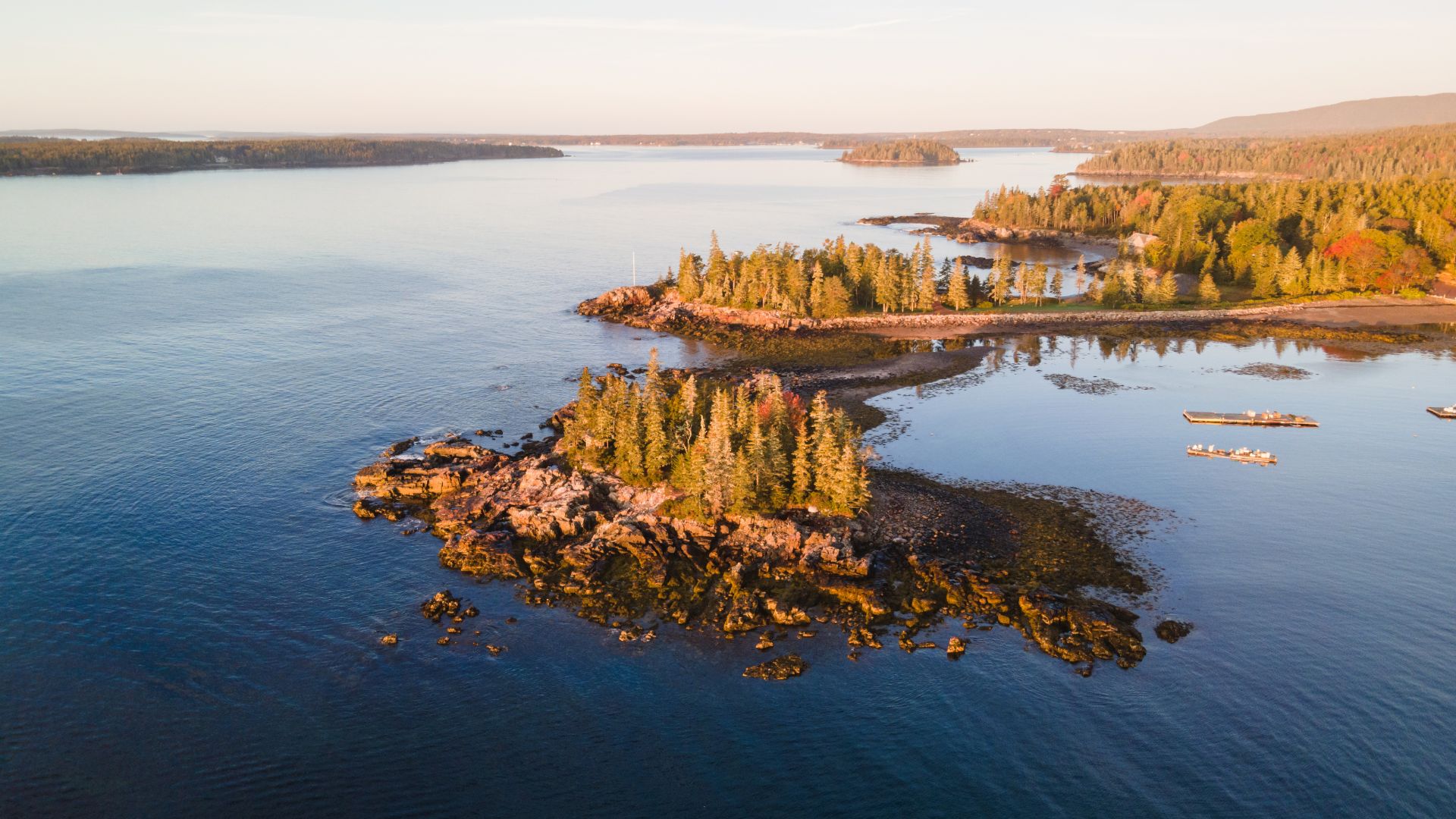
Along the rocky coast of Maine sits Acadia National Park. Known for its pink granite cliffs, deep inlets where the ocean rolls in, and mountains with strong winds at the summit throughout much of the year, Cadillac Mountain within the park sees the first sunrise of the United States for part of the year. Beyond these natural attractions, though, the area was shaped by two phenomena: volcanic activity beneath the earth’s surface and the movement of massive sheets of ice.

Volcanic Fire Underground
Millions of years ago, the area of Mount Desert Island was sitting atop giant pools of magma beneath the earth’s surface. Over time, the magma cooled to form massive blocks of pink granite.
The mountains that dot the area today were formed when the granite plateau rose, and the softer rocks surrounding it wore away over time. The peak of Cadillac Mountain was formed from the same volcanic chamber that collapsed miles beneath an ancient volcano.
Ice Sheets A Mile Thick
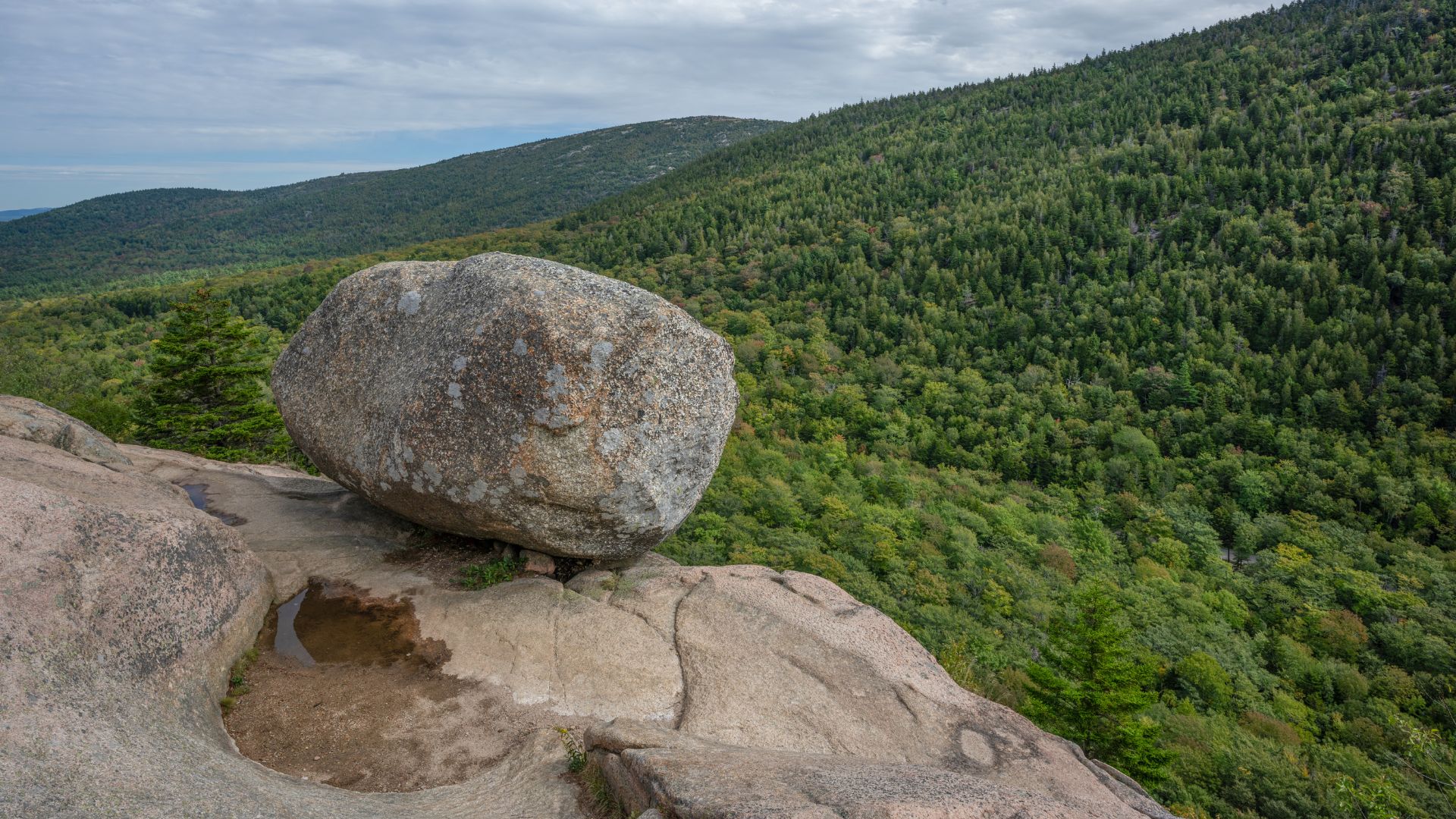
Around 20,000 years ago, a massive sheet of ice moved over Maine. The ice sheet was over a mile in thickness. As it moved south towards the ocean, it acted like giant sandpaper, wearing away at the granite mountains. Massive boulders embedded within the ice sheet wore against the earth’s bedrock, creating grooves in the granite that mark the path of those massive boulders. These glaciers also left behind boulders of random sizes dotted across the landscape, such as Bubble Rock, which sits precariously on the edge of a cliff. The path of the glaciers also gouged deep valleys into the terrain, which would fill with freshwater to form lakes like Jordan Pond.
Advertisement
Where Waves Pound The Stone
After the ice sheet melted, the oceans flooded into the valleys created by the glaciers. The high mountain ranges were exposed as islands, leaving behind the jagged coastline seen today. The ocean pounds against these cliffs every single day.
Beyond the granite cliffs, there are locations like Thunder Hole, where ocean waters build up against the cliff and force air and water into the narrow entrance of a cave. When the water is released against the walls of the cave, the air pops and the water shoots high into the air.
From lava to ice to the sea, Acadia is a formation of the earth’s volcanic activity and ice sheets that shaped the area over millions of years – and continues to be shaped by the sea today.
 Read Exclusive Stories
 Bookmark & Save Articles For Later