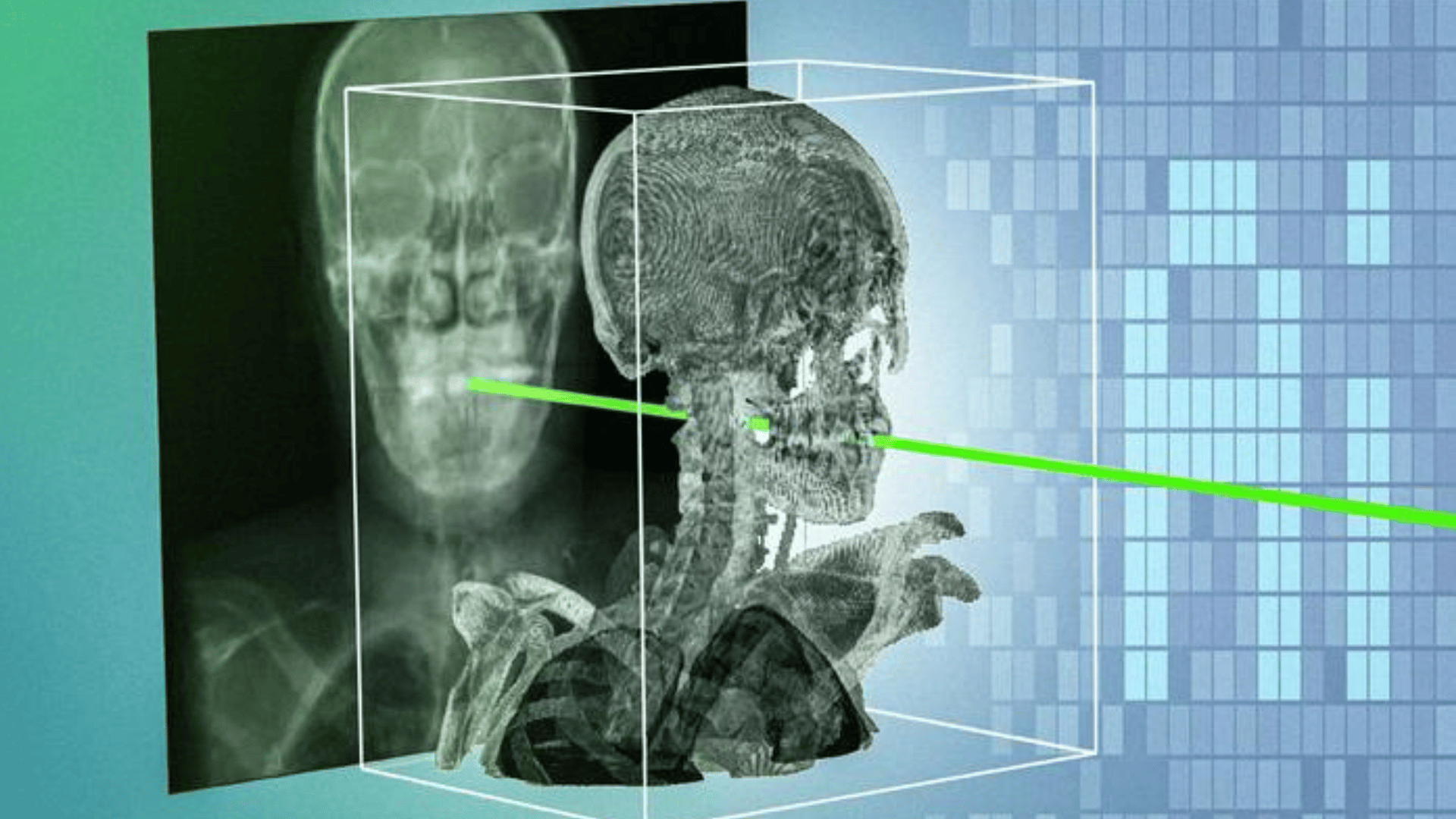
Surgeons rely on flat screens to look at X-rays, CT scans, and MRIs before operating. However, 2D images don’t always show the full picture, especially with spine deformities, tumors, or metal hardware from past surgeries.
Researchers in Hungary asked 41 specialists across three major spine surgery centers to test out life-sized, 3D-printed models of spines made from medical imaging data. They wanted to see if holding a physical model made a difference compared to standard imaging.
3D Models for Spine Surgery Preparation
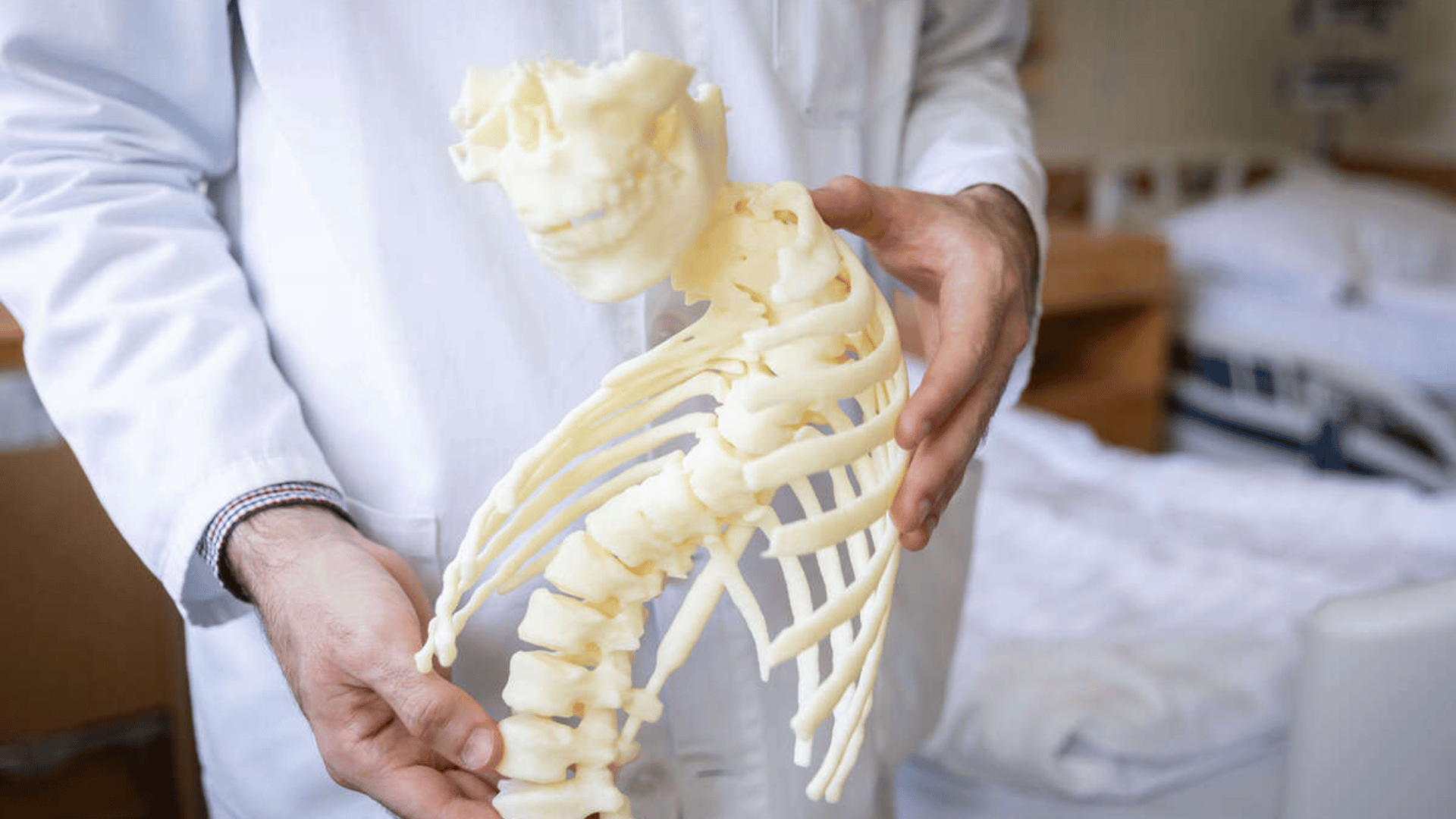
The specialists looked at cases involving very complex spinal issues. They found that the physical models really helped with surgical planning. Instead of guessing how a complicated area might look on a monitor, a surgeon can hold a replica in their hands and look at it from every angle.
“In highly unique anatomical situations, every case represents a new learning process for the surgeon. Previous general anatomical knowledge alone is often not sufficient,” Dr. Péter Éltes, MD, PhD, supervisor at the School of PhD Studies at Semmelweis University, senior author of the study, and spine surgeon at the National Center for Spinal Disorders, explained. “In such situations, it is particularly valuable not only to see a two-dimensional image of the spine but also to hold it, rotate it, and examine it physically before surgery.”
Advertisement
Dr. Éltes continued, “The models can even be used for rehearsal procedures, allowing surgeons to explore different technical aspects of the operation, including drilling into the model.”
Helping Patients Understand
Right now, hospitals can’t print these models for every surgery. Healthcare centers have to meet strict quality and regulatory rules first. Because of this, the 3D spines are mostly used for research and teaching today.
Experts, however, see a future where these models help with patient communication. This is important because most people without medical training have a hard time understanding a flat CT scan.
“We could say that patients may literally hold a replica of their own or their child’s spine, a model of a complex congenital spinal deformity. Physicians can then explain the planned intervention in detail using the model,” Benjámin Hajnal, PhD student at the School of PhD Studies at Semmelweis University and first author of the study, said. “This represents a major step forward compared to CT or MRI scans, where we can only show two-dimensional segments. Moreover, understanding such images is often difficult for people without medical training.”
 Read Exclusive Stories
 Bookmark & Save Articles For Later