Every year, millions of tons of plastic enter the world’s oceans. Some washes onto beaches. Some break into smaller pieces and drift through the water. And some remains in the environment for decades. For many people, it’s easy to feel overwhelmed by the scale of the problem.
But around the world, artists are finding a different response. They’re turning discarded plastic into works of art that inspire conversation, awareness, and action.
From Waste to Creativity
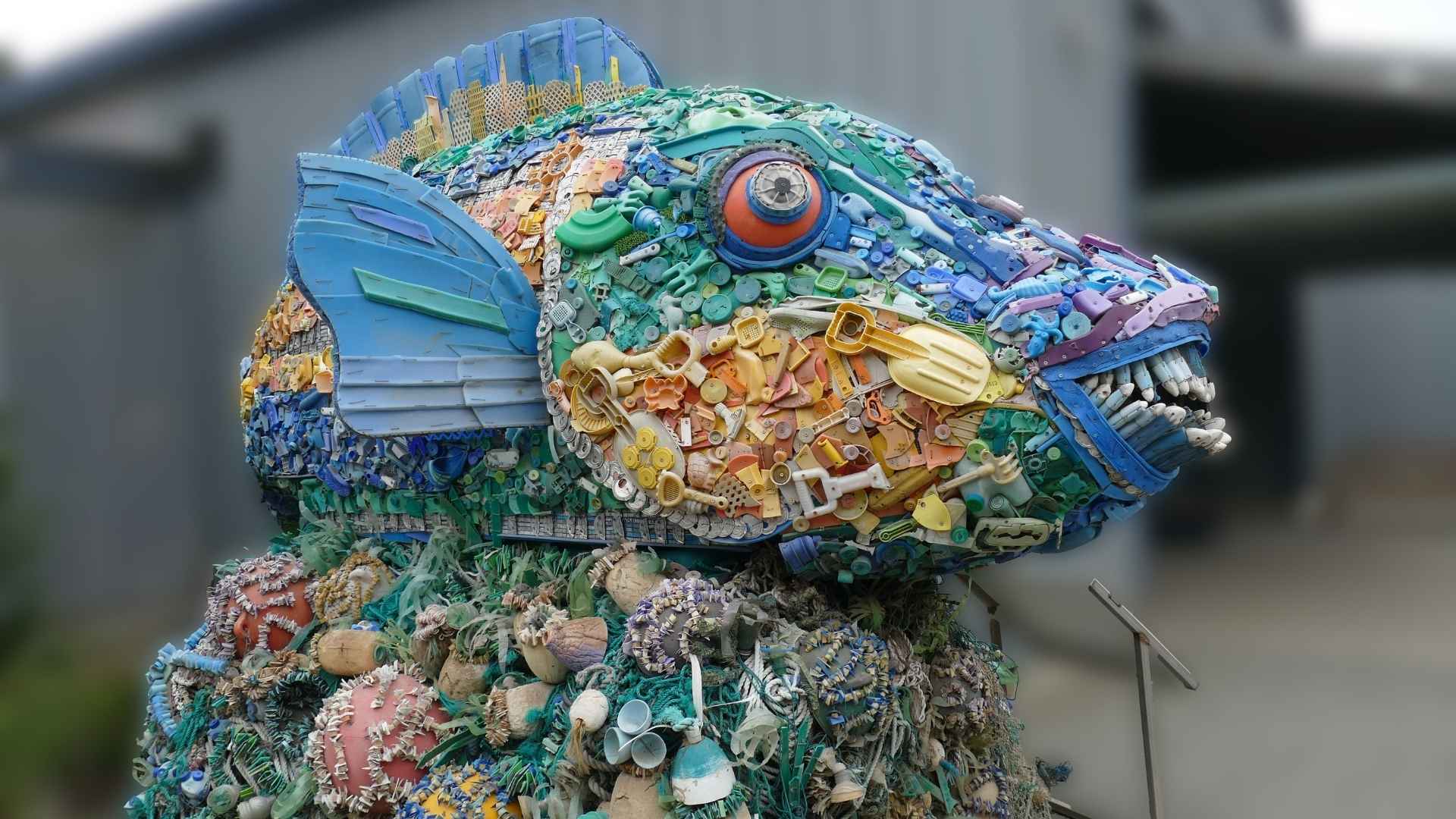
The process often starts with cleanup efforts. Artists, volunteers, and environmental groups collect plastic bottles, fishing nets, bottle caps, and other debris from beaches and shorelines. Instead of sending everything directly to a landfill, some of those materials are transformed into sculptures, murals, and public installations.
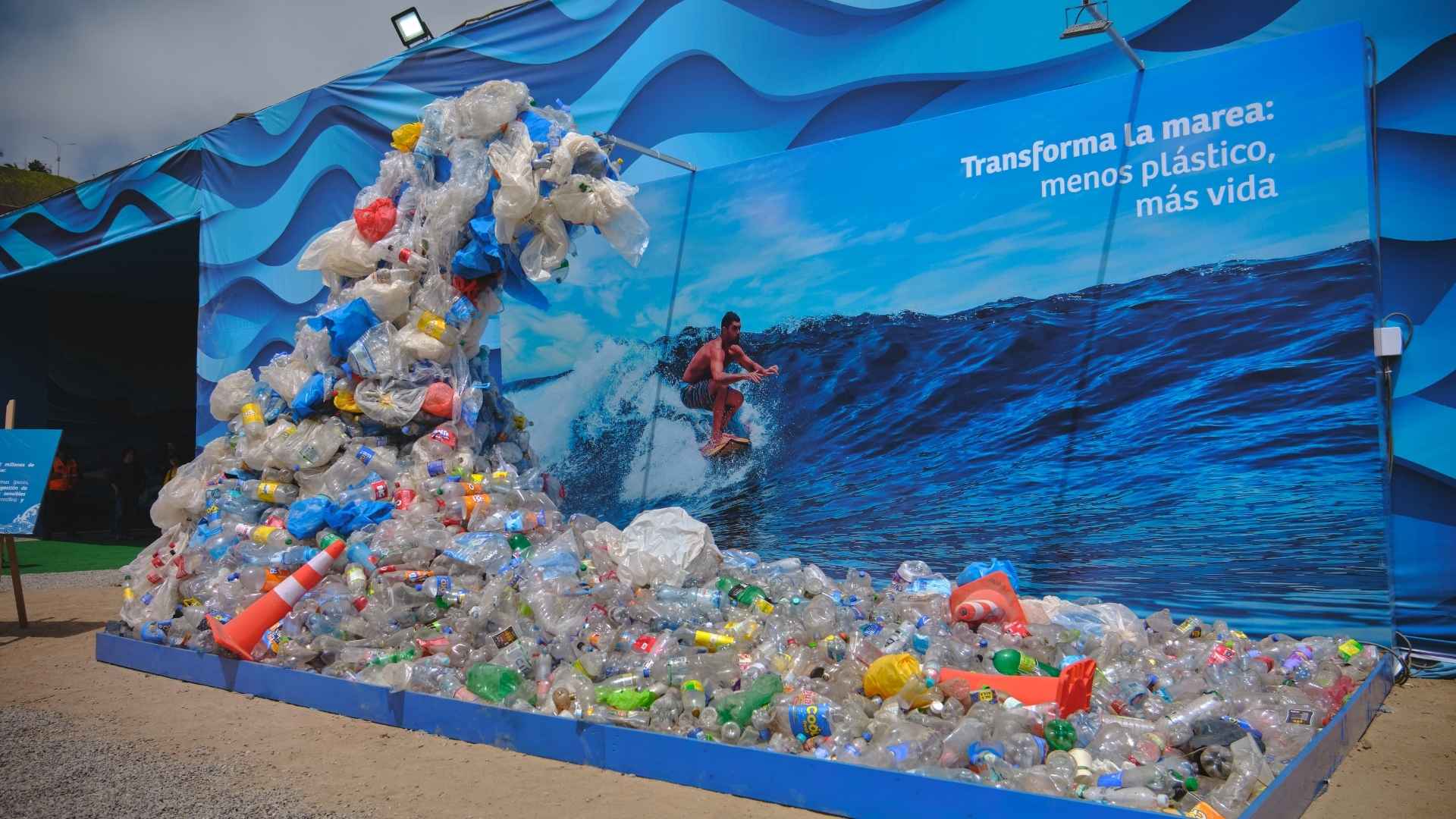
The results can be striking. A sea turtle made entirely from recovered plastic. A giant wave built from thousands of bottle caps. Colorful mosaics created from objects that once floated in the ocean. These pieces often attract attention because viewers can immediately recognize the materials. What was once trash becomes something worth stopping to look at.
Art With a Purpose
Advertisement
Unlike traditional recycling, this work also tells a story. The goal isn’t simply to reuse plastic. It’s to help people think differently about consumption, waste, and the choices we make every day. Many artists partner with schools, museums, and community organizations. Their projects become opportunities for both education and creativity. Visitors don’t just see the finished artwork. They learn where the materials came from and how they ended up in the environment. That connection can be powerful.
Statistics about pollution are important. But seeing a sculpture built from thousands of pieces of ocean debris often makes the issue feel more real.
Small Actions, Big Impact
No single artwork will solve ocean pollution. The challenge is too large for that. But art has always helped people see the world differently. It can start conversations. It can inspire new ideas. And it can encourage people to take small steps that add up over time. That’s what makes these projects so hopeful.
They show that creativity can emerge from unexpected places. They prove that something discarded still has value. And they remind us that solutions often begin when people decide to look at a problem from a new angle. A piece of plastic floating in the ocean may seem like the end of its story. For some artists, it’s just the beginning of another one.
 Read Exclusive Stories
 Bookmark & Save Articles For Later