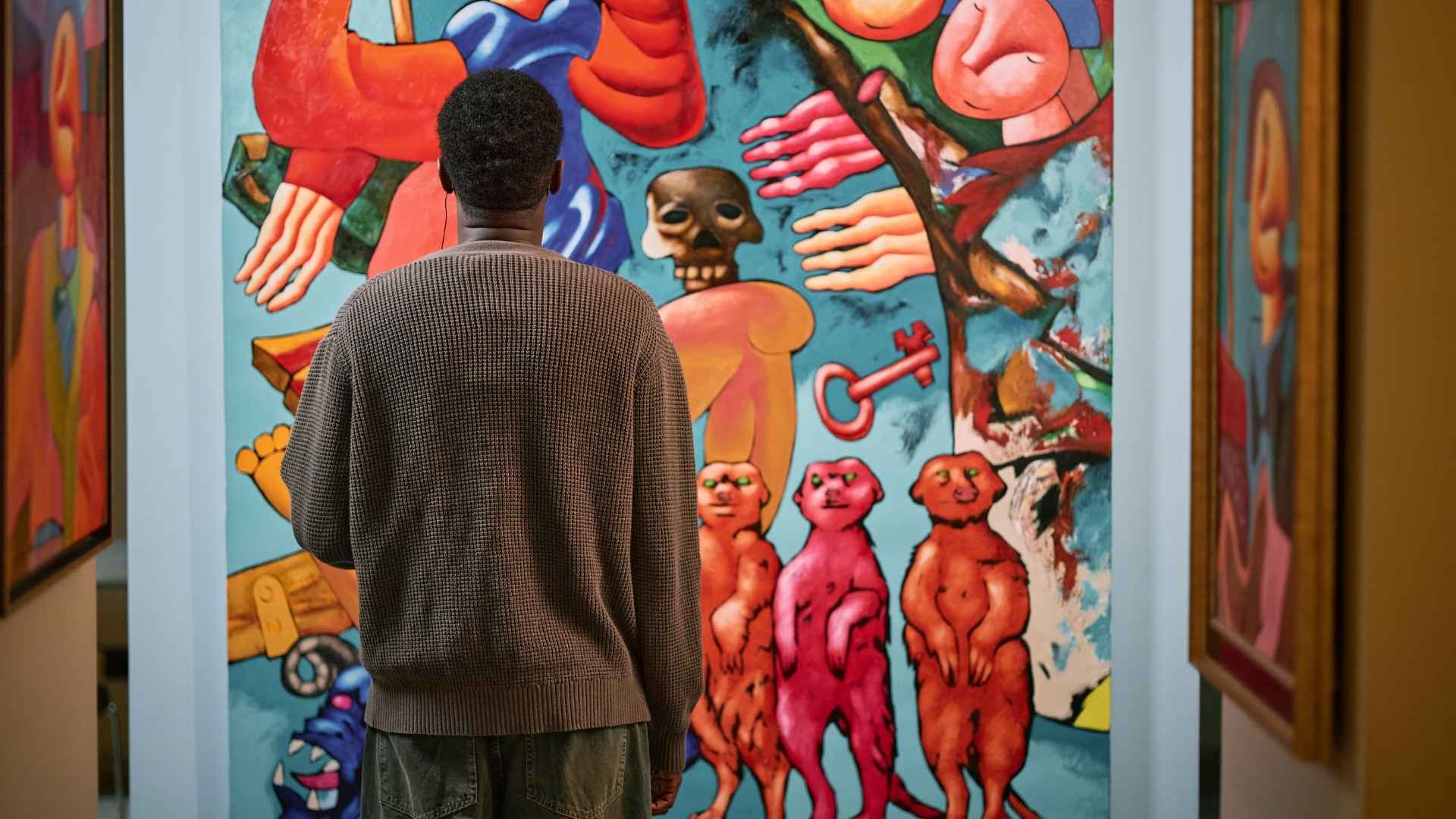
Walk into a room painted bright yellow, and it may feel cheerful. Step into a space filled with deep blues, and it can feel calm and quiet. Color has a way of affecting us before we even realize it. Artists have understood this for centuries, using color not just to make something beautiful, but to tell stories, create moods, and connect with people on an emotional level.
Why Color Affects Us
Color is one of the most powerful tools in art. Long before scientists studied how the brain responds to color, painters were already experimenting with shades and tones to create specific feelings. Today, research supports what artists have known through experience. Studies have found that people often associate certain colors with particular emotions. Blue is commonly associated with calmness and stability, while red is associated with energy, passion, and urgency.
One of the best examples can be found in the work of Dutch painter Vincent van Gogh. In paintings such as Starry Night, Van Gogh used bold blues and bright yellows to create movement and emotion. He once wrote about using color to express feelings rather than simply copying what he saw. More than a century later, people still connect with his work because those colors continue to communicate something beyond words.
Nature’s Influence on Artistic Creation
Advertisement
Nature may be the first artist to teach us about color. Think about a sunset. Warm oranges, reds, and golds often create a sense of wonder. A clear blue sky can feel peaceful. The changing colors of autumn leaves can evoke nostalgia and reflection. Artists have spent generations observing these moments and bringing them into their work.
But color is not only important in paintings. It influences architecture, photography, graphic design, film, and even technology. Designers use color to guide attention, create trust, or make information easier to understand. Hospitals often use softer colors to create a calming environment. Brands carefully choose colors that reflect their identity. The same principles artists have used for centuries continue to shape the world around us.
The Personal Side of Color
Here’s the interesting part: while some responses to color appear across many cultures, personal experiences also play a role. A color that reminds one person of a happy memory may mean something entirely different to someone else. That is what makes art so personal. The artist provides the color, but the viewer brings their own story.
Creation has always been about communication. Through color, artists can express joy, hope, wonder, and even difficult emotions without saying a single word. In a world filled with constant information, color remains one of the simplest and most human ways to connect. It reminds us that creativity is not just about what we see. It is about what we feel.
 Read Exclusive Stories
 Bookmark & Save Articles For Later