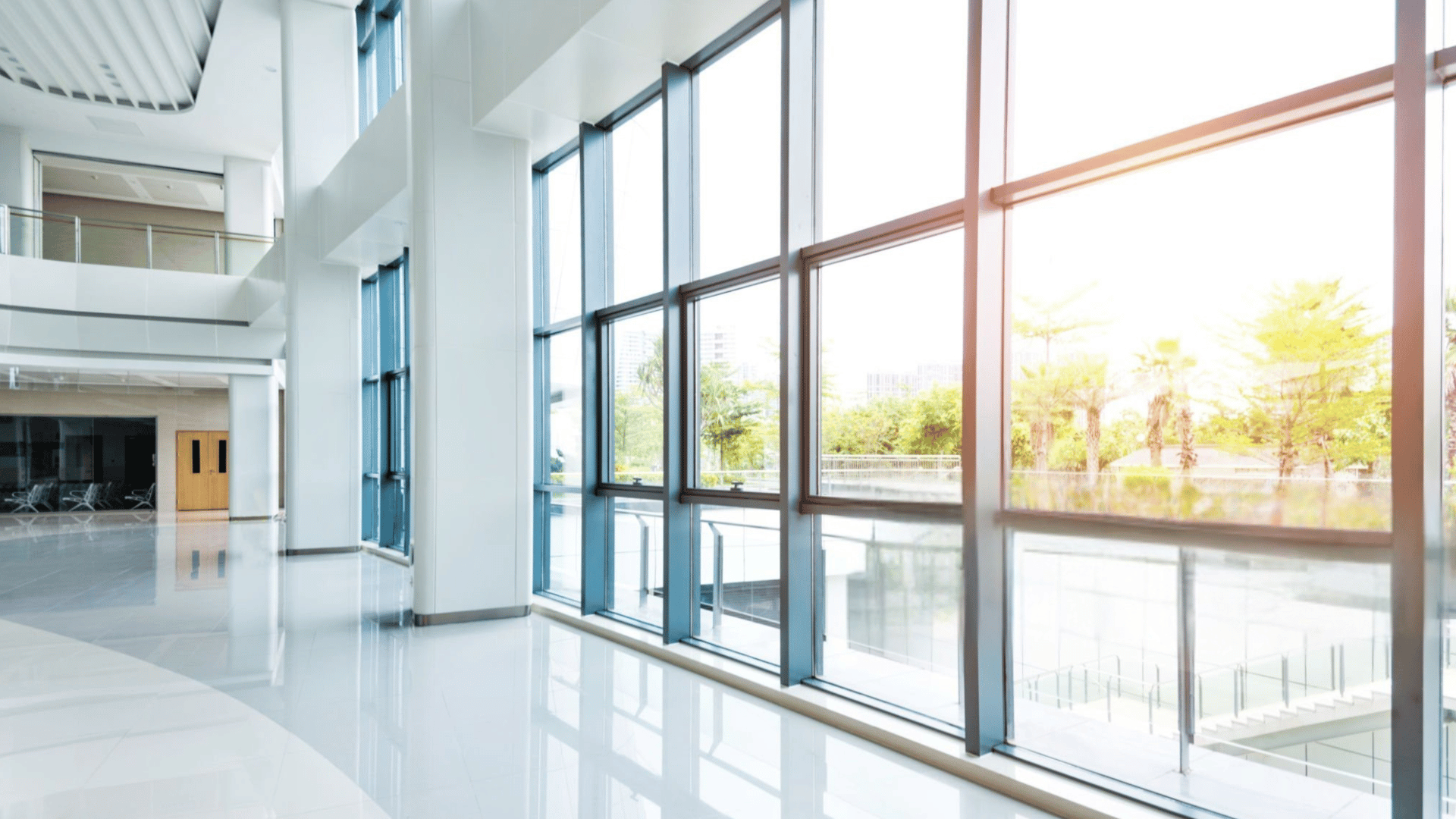
On a hot summer afternoon, standard glass office blocks act like greenhouses. They trap heat, forcing massive air conditioning units to chug electricity all day just to keep things bearable. It is a massive drain on the planet’s energy. But out on the African savanna, millions of tiny termites build towers out of mud that stay perfectly cool without a single plug or wire.
Architect Mick Pearce wondered if humans could build like that. In 1996, he teamed up with engineers at Arup to design the Eastgate Center in Harare, Zimbabwe. It became a legendary piece of architecture, and it does not use a traditional air conditioning system. Instead, the design borrows its cooling strategy directly from the humble termite.
Nature’s Built-In Chimneys
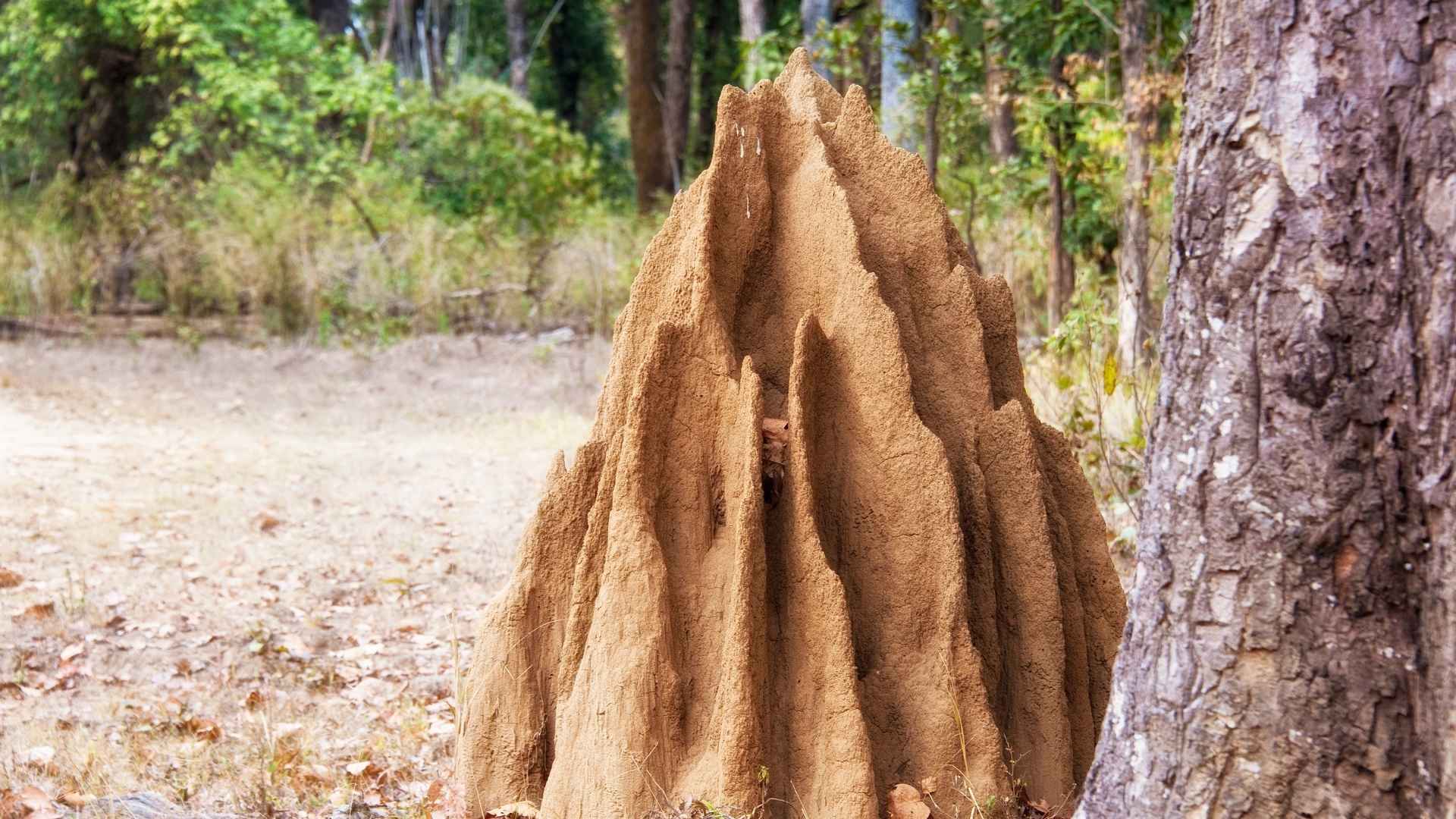
Termite mounds are built to breathe. During the day, the thick mud structures absorb the sun’s harsh heat. Inside the mound, the termites’ own daily activity creates warm air. Because warm air is light, it rises up and vents out of holes at the very top of the mound. As that hot air escapes, it acts like a pump, pulling cooler air from the base of the mound and underground tunnels right through the colony.
Copying the Blueprint
Pearce built the Eastgate Center out of concrete and brick, using these exact ideas. The building features 48 giant brick chimneys along the roof. At night, when the outside air drops, low-energy fans turn on to flush out the day’s stale, hot air through those chimneys. This pulls in the cold night air, chilling the heavy concrete floors and walls.
Advertisement
When morning comes, and workers fill the offices, the building naturally starts the day cold. The concrete acts like a sponge, absorbing the heat generated by computers, lights, and people throughout the afternoon. Because concrete maintains a stable internal climate, the indoor air temperature stays comfortable.
Lower Bills, Better Air
Here is the best part: it works. The Eastgate Center uses 35% less energy than standard air-conditioned buildings in Zimbabwe. By skipping a massive cooling system, the owners saved 3.5 million dollars in construction costs right from the start. Plus, because the building relies on natural airflow, tenants enjoy cheaper rent.
Bioclimatic design like this shows that we do not always need more complex machinery to solve our problems. Sometimes, we just need to look at how nature has been solving them for millions of years. By mimicking a bug’s home, we can create comfortable, fresh workspaces that treat the planet a lot better.
 Read Exclusive Stories
 Bookmark & Save Articles For Later