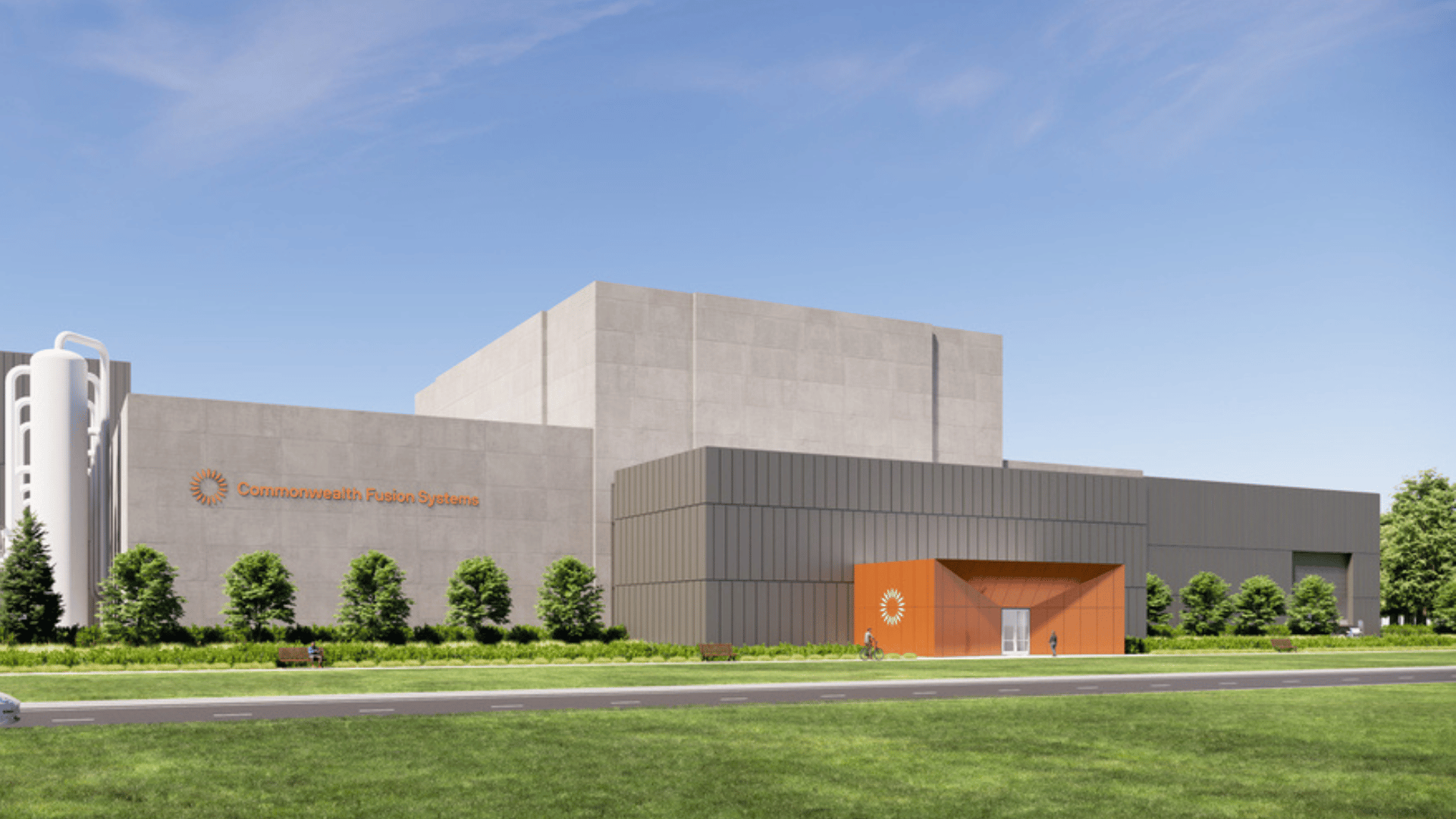
A private company recently did something that has not happened in the United States in over forty years. Antares recently turned on its Mark-0 microreactor at the Idaho National Laboratory, marking a major shift in how the country tests new nuclear technology.
This test makes Antares the first private business to get an advanced reactor to “criticality,” the point where a nuclear reaction becomes self-sustaining, under a special government pilot program. They did it in less than a year by working closely with the Department of Energy, BWX Technologies, and the U.S. Army.
Quickly Achieving Criticality
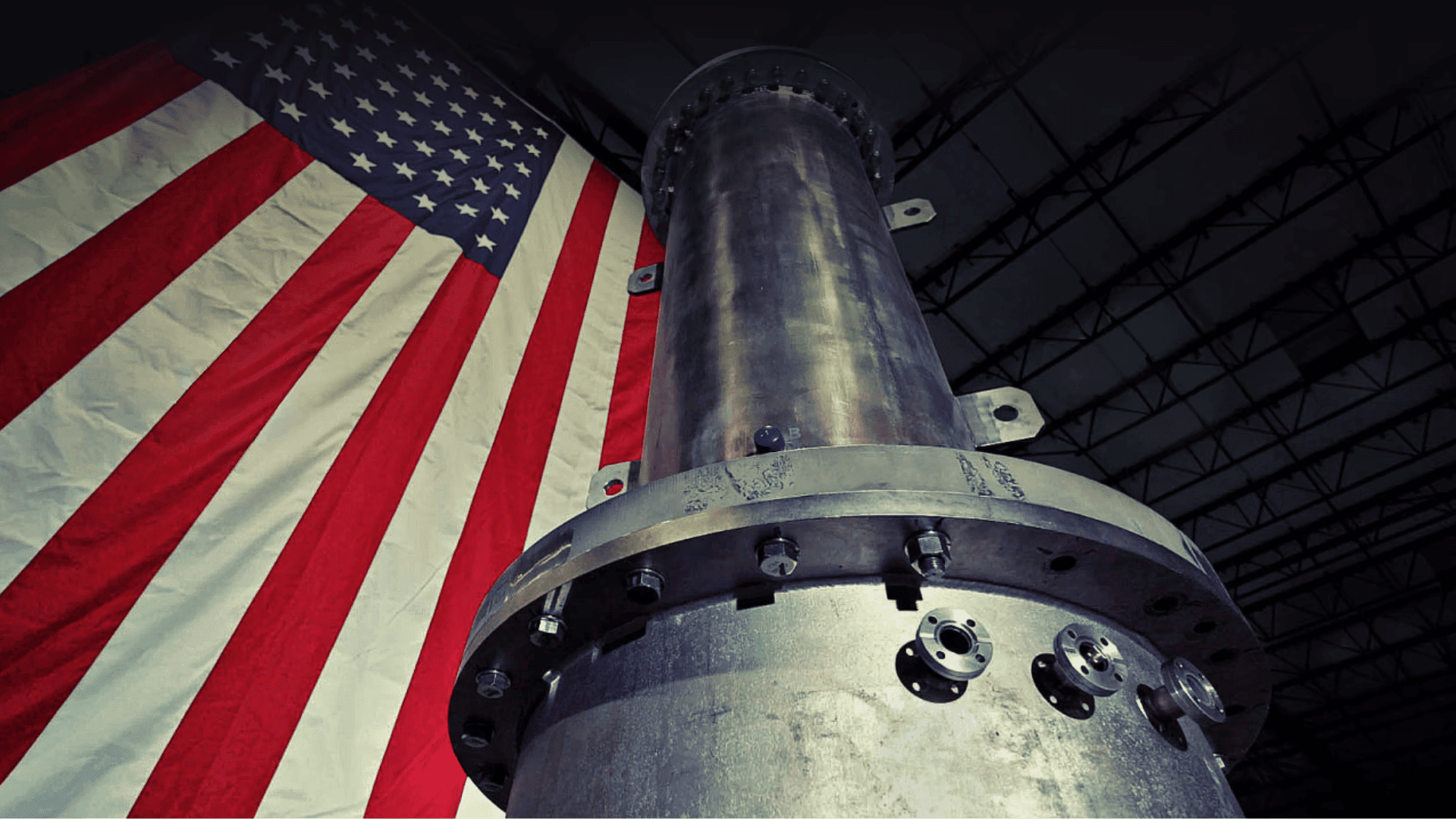
For decades, building new nuclear tech in America has been slow and complicated. This project aims to change that. By using a new regulatory pathway, the government and private companies can now test reactors much faster.
The reactor runs on a specific type of fuel called TRISO, made by Virginia-based BWXT. Because they used the same fuel already being developed for a military project called Project Pele, the team saved a lot of time.
Advertisement
“Hitting our commitments is everything to us. Nuclear in America has been defined for too long by delays, by companies that said they would and then didn’t,” said Jordan Bramble, CEO of Antares. “We said criticality in 2026, electricity production in 2027, and power to the warfighter in 2028. Today is the first of those commitments delivered on the schedule we set.”
Government officials are also pleased with the quick progress.
“Today’s achievement is a historic moment for American nuclear energy,” said U.S. Energy Secretary Chris Wright. “By bringing the first American non-light water privately developed reactor to criticality in more than four decades, Antares has shown what is possible when American innovation is unleashed. The Trump administration is proud to support the rebirth of America’s nuclear industry and ensuring Americans have access to affordable, reliable and secure energy for generations to come.”
The Microreactor’s Future
The successful test gave engineers real-world data on how the reactor core behaves. This data will help Antares build its next commercial reactors. But the immediate goal is powering military bases. The U.S. military wants to use these small, transportable reactors to get reliable power to its installations.
“We went from concept to a critical reactor, safely, in less than 12 months. That doesn’t happen by accident. The team treated the schedule as non-negotiable,” Bramble added. “It also doesn’t happen without decades of DOE investment in the AGR-2 TRISO specification and the Project Pele fuel supply chain at BWXT.”
 Read Exclusive Stories
 Bookmark & Save Articles For Later