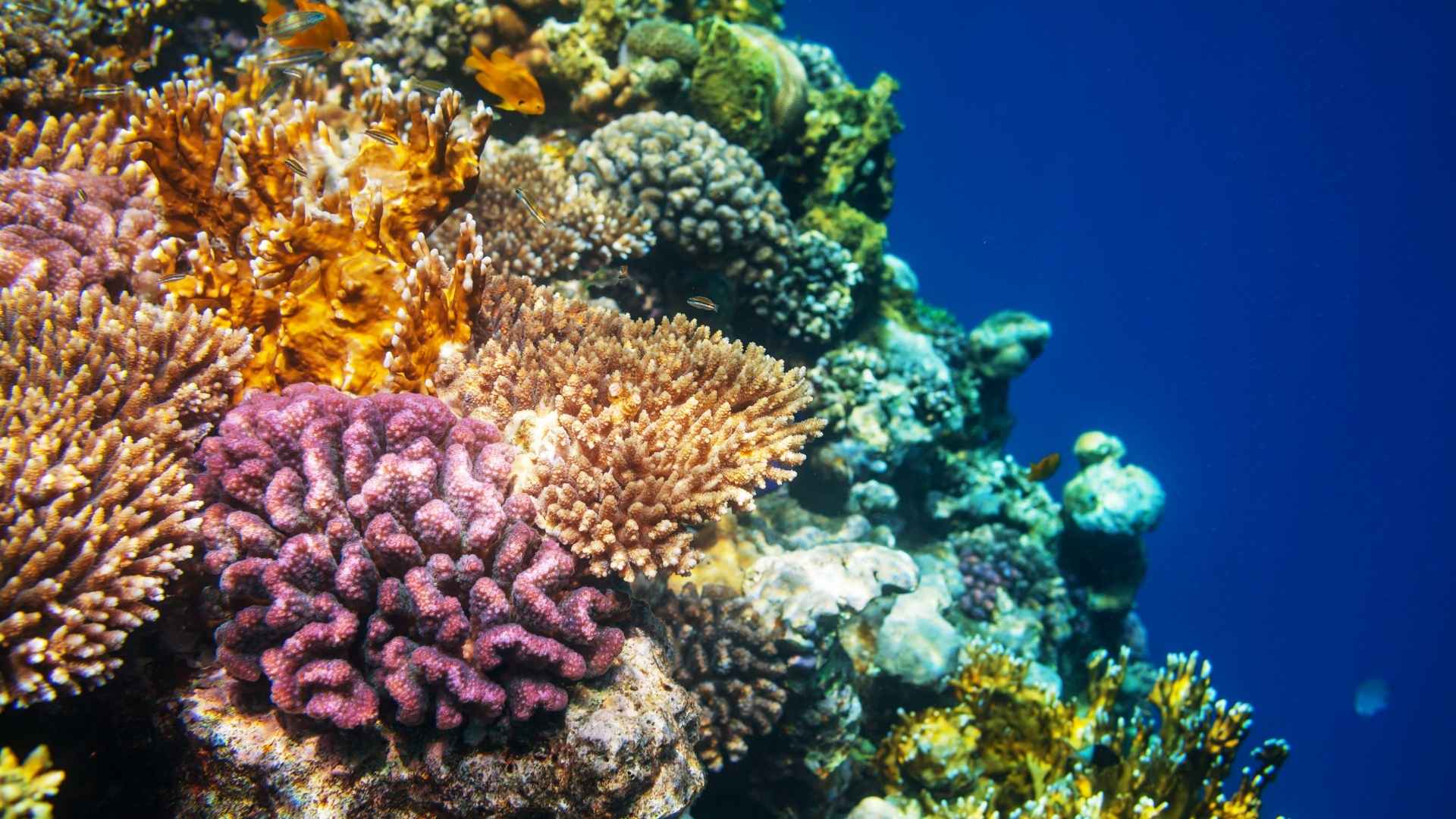
For many people, a great summer vacation means heading to the coast to snorkel or scuba dive. There is nothing quite like floating over a vibrant coral reef and watching sea turtles or schools of colorful fish swim by. But if you have visited a reef recently, you might have noticed a sad trend. Warming oceans are causing massive coral bleaching, turning beautiful underwater ecosystems into white, ghostly deserts.
Farming Under the Sea
Marine biologists and eco-focused tech startups are refusing to let these habitats disappear. Instead, they are turning to advanced engineering and a process called micro-fragmenting to rebuild the ocean floor. Organizations like Coral Vita are leading the charge by setting up land-based coral farms that grow new reefs at a staggering pace.
Here is how the science actually works. Scientists take a piece of living coral and break it down into tiny, millimeter-sized fragments using a specialized saw. Normally, coral takes decades to grow to adult size. But when it is broken into these tiny pieces, the coral’s natural healing response kicks into overdrive. The fragments grow up to 50 times faster than they ever would in the wild. Scientists keep them in controlled land tanks with carefully formulated water until they are mature enough to withstand the open sea.
Advertisement
3D-Printed Ocean Architecture
Once the coral is big and strong, teams face a new problem. How do you get it back into a damaged ocean where natural structures have crumbled? That is where advanced manufacturing comes in. Researchers are now deploying 3D-printed ceramic reefs directly onto the sea floor. These artificial structures are heavy, durable, and feature precise hollow spaces that mimic real reef architecture. They are built to withstand intense summer storms and rough waves, providing new coral fragments with a safe, stable skeleton to attach to.
Of course, this technology cannot fix everything on its own. Rebuilding a reef takes a lot of time, money, and manual labor from dedicated divers. If global water temperatures keep rising at extreme rates, even the toughest lab-grown coral will eventually struggle to survive. It is a temporary shield, not a permanent cure for climate change.
Hope for Tomorrow’s Trips
Still, it is an inspiring piece of the puzzle that shows how STEM can help protect our natural world. Thanks to these underwater nurseries and printed foundations, damaged marine parks are getting a second chance to thrive. It means future generations will still get to grab their flippers, put on a mask, and explore a healthy, living ocean during their summer breaks.
 Read Exclusive Stories
 Bookmark & Save Articles For Later