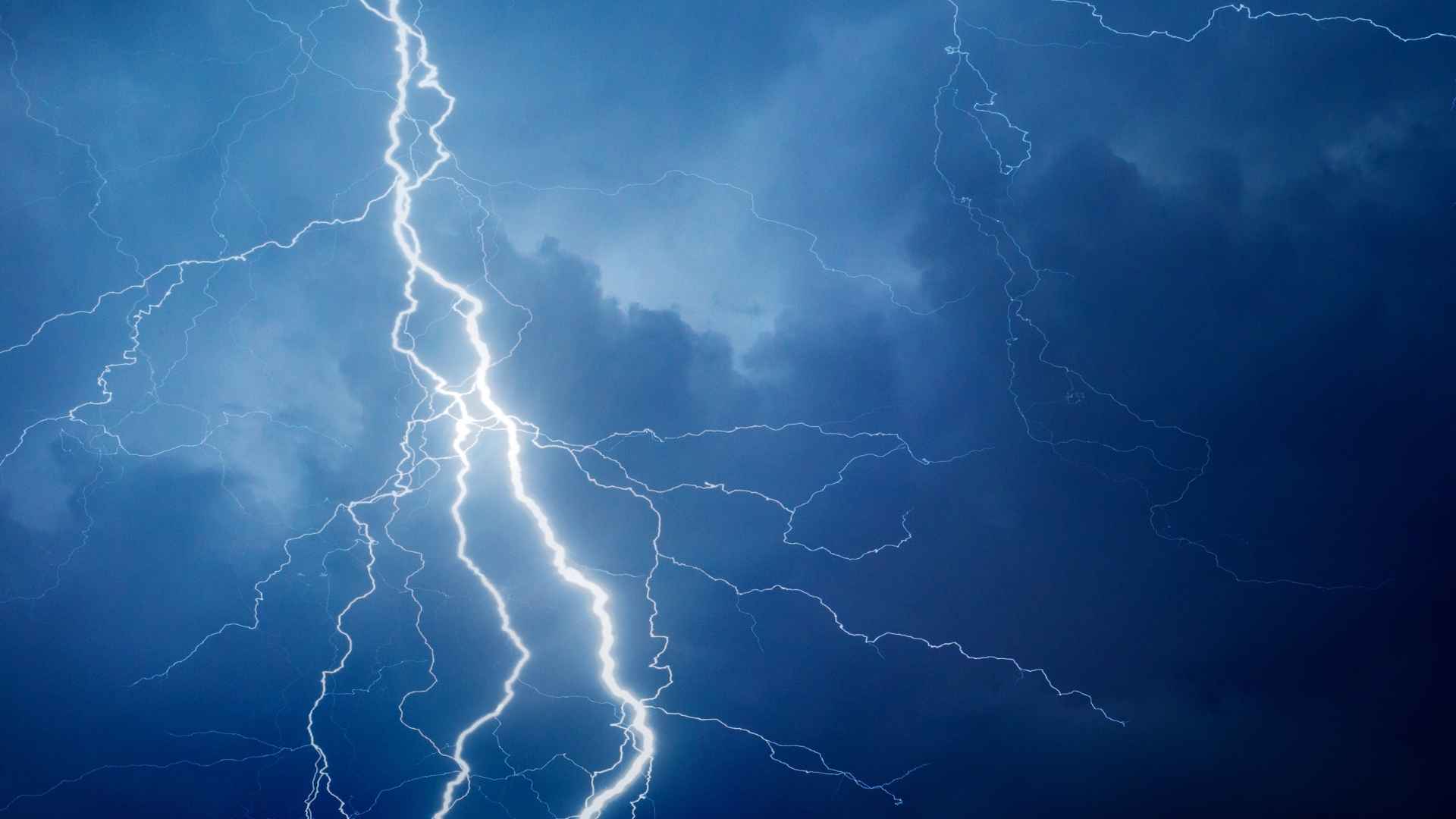
Every single night, a corner of Venezuela lights up like a broken neon sign. At the spot where the Catatumbo River meets Lake Maracaibo, a massive lightning storm takes over the sky. It happens about 260 nights a year. The sky flashes up to 280 times per hour, lasting roughly 10 hours straight. By the end of the year, that single location sees over one million lightning strikes.
Chasing the Real Science
For centuries, people had no idea why this happened. Sailors used the constant glow to navigate the Caribbean Sea, calling it the “Beacon of Maracaibo.” Early scientists assumed it was caused by methane gas rising from the local swamps. It was a good guess, and people believed it for decades. But recently, a team of researchers decided to find out what was actually going on.
They used weather balloons to track the atmosphere. They discovered that the methane theory was wrong. Instead, the storm is driven by a unique wind conveyor called the Maracaibo Basin Nocturnal Low-Level Jet. This wind takes warm moisture from the sea and drives it directly into the freezing walls of the nearby Andes Mountains. The intense mountain terrain forces the air up so fast that it creates giant, charged clouds. It is a perfect loop of nature, happening on a strict daily schedule.
Advertisement
Breaking Past Easy Answers
There is a lesson here for anyone trying to build something new or solve a tough problem. For a long time, the scientific community accepted an easy answer. They saw swamp gas and stopped looking. But real progress only happened when people kept asking questions and looked closer at the data. They replaced an old assumption with real, provable science.
This is exactly how human innovation works. The biggest breakthroughs do not usually come from a single stroke of luck. They come from consistency and looking at old patterns in a new way. Just like those wind currents hitting the mountains, great ideas happen when different pieces of information collide. When we push past the easy explanations, we find the real mechanics of how things work.
Creating Your Own Spark
When you look at the Catatumbo lightning, it seems impossible. It looks like a glitch in the atmosphere. But it is just a natural system doing exactly what it was designed to do, night after night. It reminds us that consistency builds momentum. If you keep pushing your ideas against the obstacles in front of you, you eventually create your own spark. True inspiration is not about waiting for lightning to strike. It is about building the environment that makes the spark inevitable.
 Read Exclusive Stories
 Bookmark & Save Articles For Later