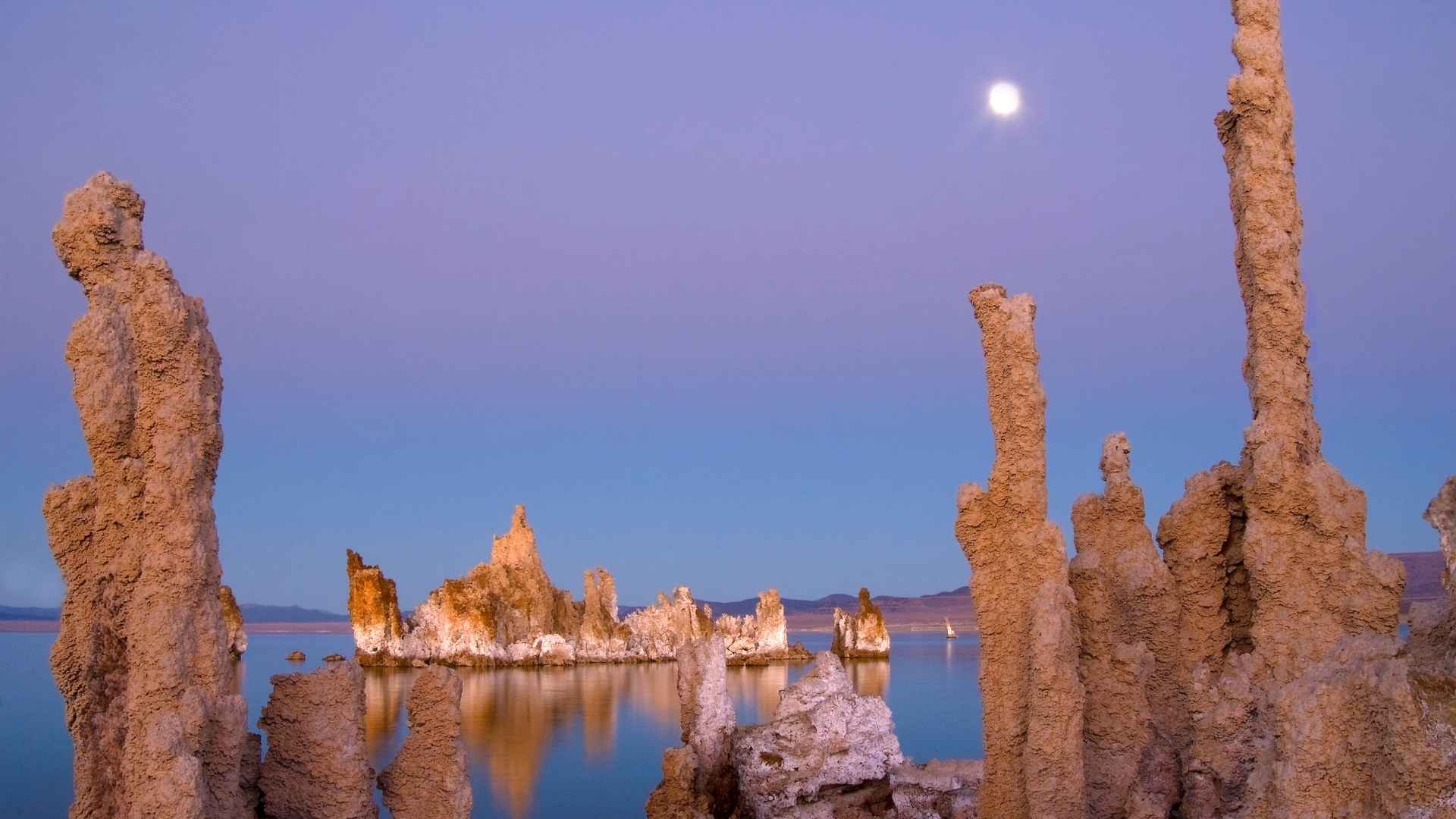
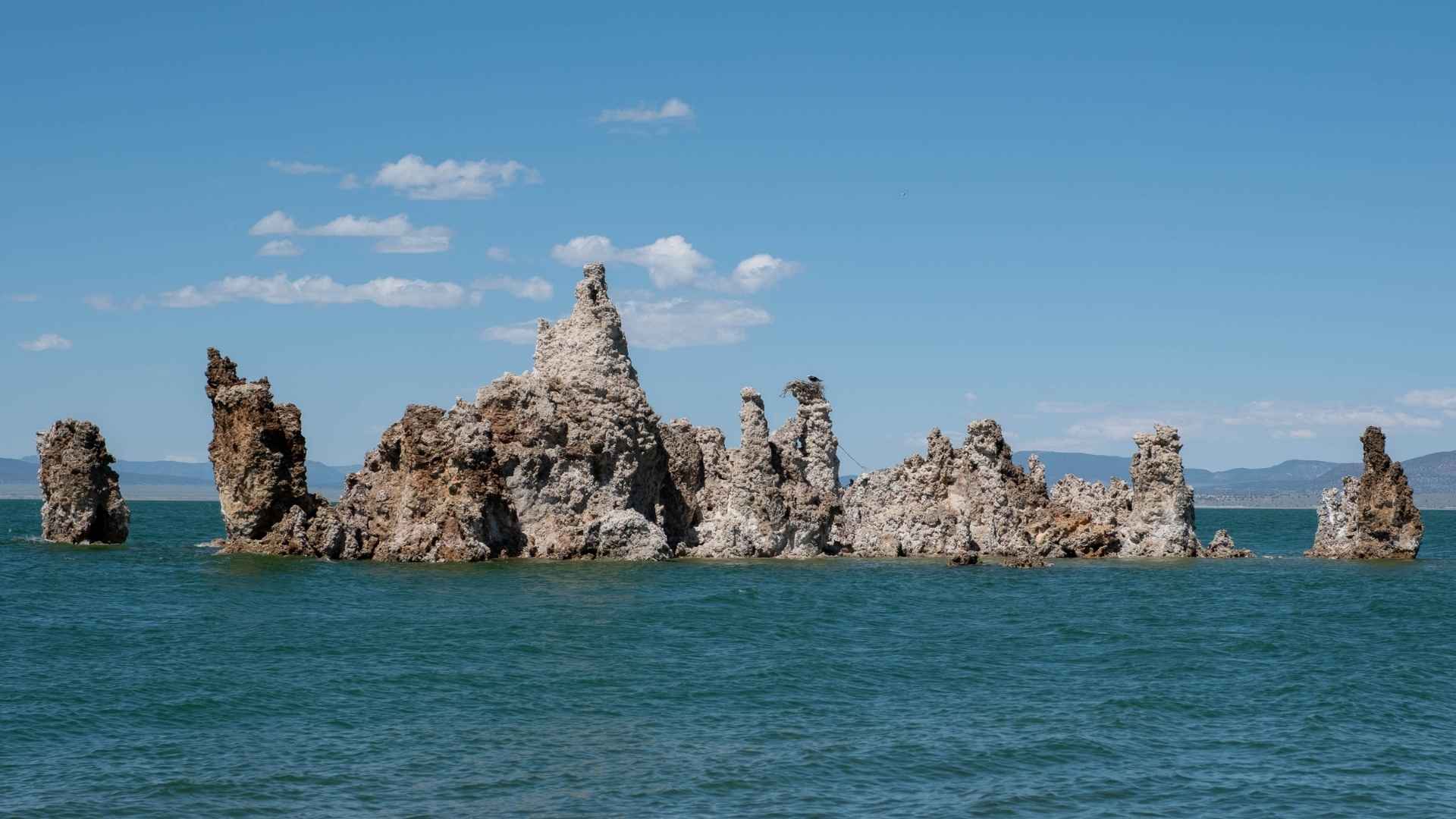
Most people think of rocks as completely dead, static objects. They just sit there, unchanging, for millions of years. But out in California, at a place called Mono Lake, there are structures that challenge that whole idea. They are called tufa towers, and they are essentially rocks that grow. If you visit the lake, these formations look like something from a science fiction movie. They are tall, bumpy pillars that stick straight out of the water like jagged toothpicks. But they are not volcanic, and they were not carved by the wind. They are the result of a slow, beautiful mix of chemistry and biology.
How Water and Algae Build Stone
The growth process happens mostly underwater. Mono Lake is incredibly salty and alkaline because it has no outlet to the ocean, allowing minerals to build up there over thousands of years. Fresh water from underground springs, rich in calcium, bubbles up from the bottom of the lake. When that fresh calcium water hits the alkaline lake water, full of carbonates, a chemical reaction occurs. The minerals bond together and turn into limestone. But there is a biological element to this, too. Tiny organisms, such as algae, live on these structures. As algae grow, they trap minerals, acting as a natural glue. Layer by layer, the minerals build up. The algae grow on top of the new layer, and then more minerals stick to them. Over the centuries, these microscopic layers pile up to form visible, heavy towers. When the lake’s water levels naturally drop, these underwater towers are revealed to the world.
Nature’s Own Construction Team
Advertisement
 Read Exclusive Stories
 Bookmark & Save Articles For Later