Industrial operations depend on continuous performance, where even a short disruption can halt production and create financial losses. Facilities today rely on interconnected systems, automated processes, and high-value machinery that must run without interruption. In this environment, 24/7 field service plays a central role in maintaining uptime and ensuring systems recover quickly when issues arise.
The Real Cost of Downtime
Unplanned downtime has a direct and measurable impact on industrial performance. When equipment fails, production stops, workers are left idle, and deadlines are missed. These disruptions often lead to financial penalties and long-term customer dissatisfaction.
A study by the U.S. Department of Energy highlights that unplanned downtime can cost industrial manufacturers up to $260,000 per hour, depending on the operation size and complexity. This figure reflects more than lost output. It includes labor inefficiencies, wasted materials, and the cost of restarting systems.
Having a 24/7 field service team available reduces these losses by shortening response time and restoring operations faster. Here are a few reasons why it’s beneficial to have a field service team.
Benefits of 24/7 Field Service
From minimizing downtime to improving safety and maintenance, continuous support ensures operations stay stable and efficient. Here are a few reasons why it’s beneficial to have a field service team.
1. Immediate Response Minimizes Operational Disruption
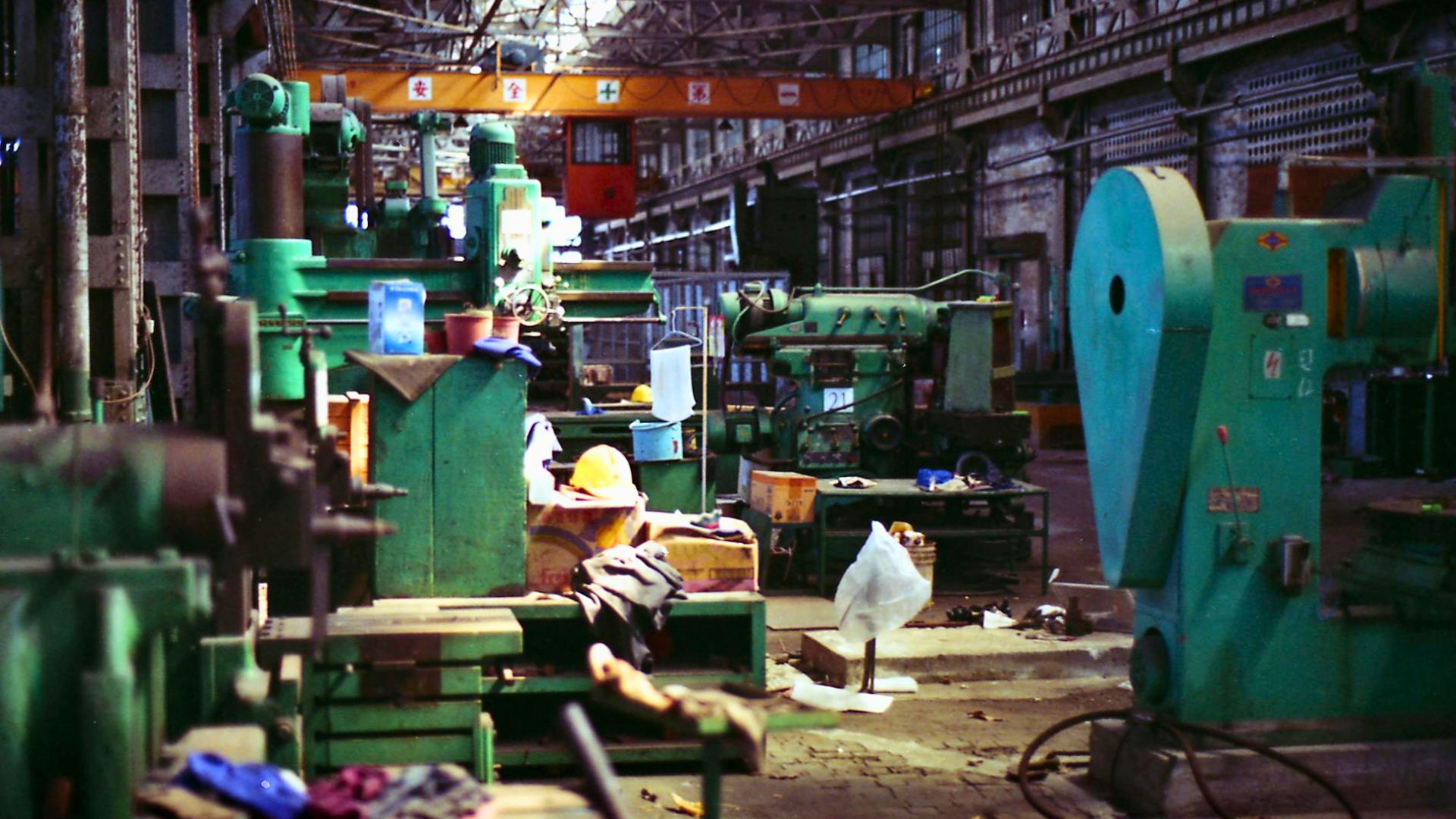
Equipment failures rarely happen at convenient times. Breakdowns often occur during overnight shifts, weekends, or peak production hours when systems are under maximum load. Delayed response can extend downtime significantly, increasing both cost and operational pressure.
You can hire companies like Wistex, which provide round-the-clock field service support, meaning their technicians are available whenever a problem occurs. Round-the-clock field service ensures that trained technicians can arrive on-site quickly, identify the issue, and take corrective action. This immediate response limits the duration of downtime and prevents minor issues from escalating into major failures.
2. Supporting Complex Industrial Systems
Modern industrial environments use a network of interconnected technologies, including PLC systems, drives, sensors, and automated controls. These systems are highly efficient but also complex, meaning a fault in one component can affect an entire production line.
Field service teams bring the technical expertise required to manage this complexity. They do more than repair equipment; they analyze system behavior, trace faults across multiple components, and ensure that all systems are recalibrated correctly after repairs. This approach prevents recurring issues and maintains system stability.
Advertisement
3. Enabling Preventive and Predictive Maintenance
Continuous field service availability also supports preventive and predictive maintenance strategies. Instead of waiting for equipment to fail, technicians can inspect systems, identify wear and tear, and replace components before breakdowns occur.
With regular monitoring and maintenance, businesses can:
- Reduce unexpected failures
- Extend equipment lifespan
- Improve overall system efficiency
This shift from reactive to proactive maintenance helps organizations operate more reliably and plan maintenance activities without disrupting production schedules.
4. Enhancing Safety and Compliance
Industrial failures can pose serious safety risks, especially in environments involving high-voltage systems or heavy machinery. A delayed response increases the likelihood of accidents, equipment damage, and regulatory violations.
24/7 field service ensures that hazards are addressed immediately. Technicians can isolate faults, secure the environment, and restore systems safely. This not only protects workers but also helps companies remain compliant with safety regulations and avoid costly shutdowns.
5. Maintaining Business Continuity
Industrial operations are often part of larger supply chains where delays can affect multiple stakeholders. A single equipment failure can disrupt production schedules, delay shipments, and impact customer commitments.
Reliable field service support helps maintain continuity by keeping operations running smoothly. Quick recovery times ensure that production targets are met and supply chain disruptions are minimized.
24/7 field service is a critical component of modern industrial operations. It reduces downtime, supports complex systems, improves safety, and ensures consistent production. As industries continue to rely on automation and interconnected technologies, having continuous service support is no longer optional; it is essential for long-term efficiency and competitiveness.
This is a sponsored post by Emediarush. All reviews and opinions expressed in this post are not based on the views and opinions of Tomorrow’s World Today.